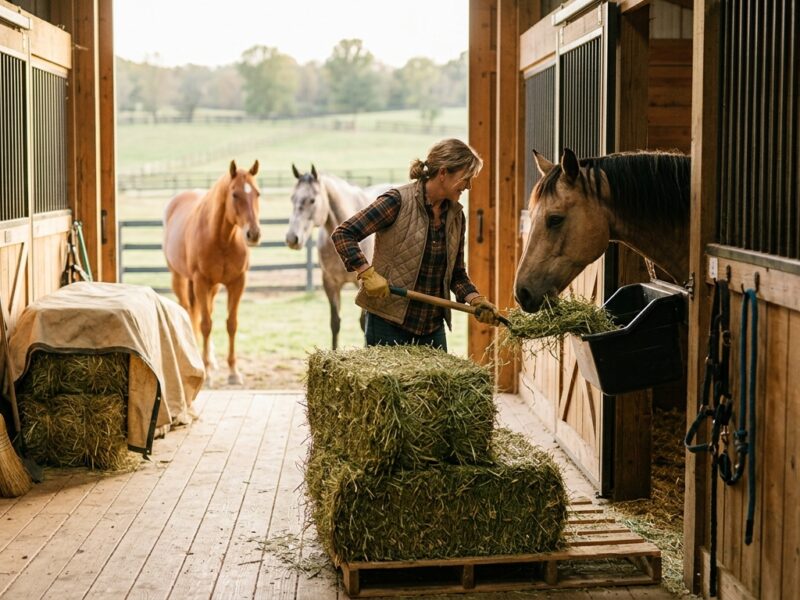
So you’ve done it. You said yes to the horse.
Maybe it was for your kid. Maybe it was for yourself. Either way, welcome to one of the most rewarding — and humbling — journeys you’ll ever take. Because horses are magnificent, beautiful creatures who will also teach you very quickly that you don’t know as much as you thought you did.
Don’t worry. We all started somewhere. Here are 10 horse care basics that will help you get your footing and feel confident from day one.
1. Horses Need Forage First — Always
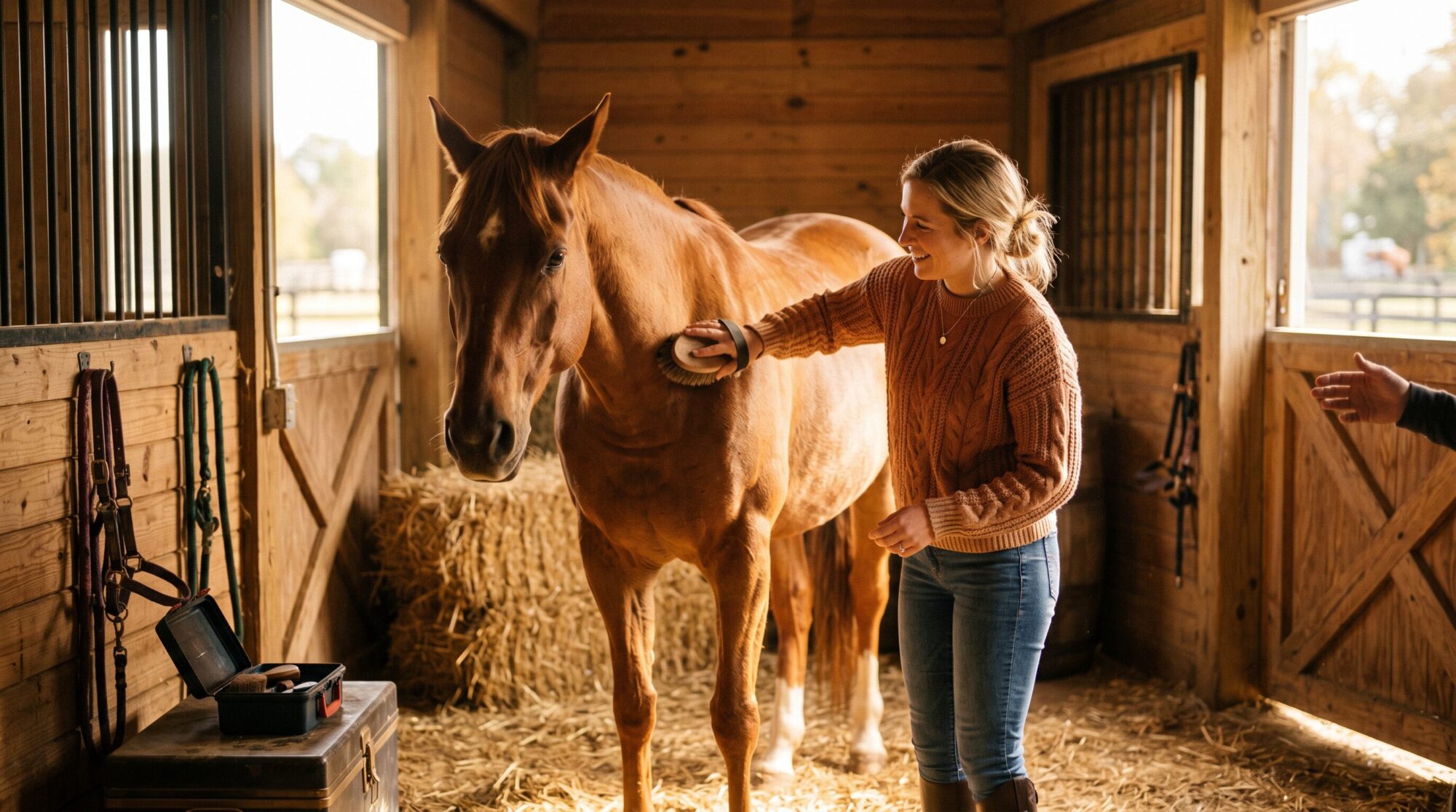
If there’s one thing to remember, it’s this: a horse’s digestive system is designed to be constantly moving. In the wild, horses graze 16-18 hours a day. Your horse needs access to hay or pasture for most of the day — not just at mealtimes.
Running out of hay isn’t just inconvenient. It can lead to colic, ulcers, and behavioral issues. Keep that hay available and your horse’s gut will thank you.
2. Fresh Water Is Non-Negotiable
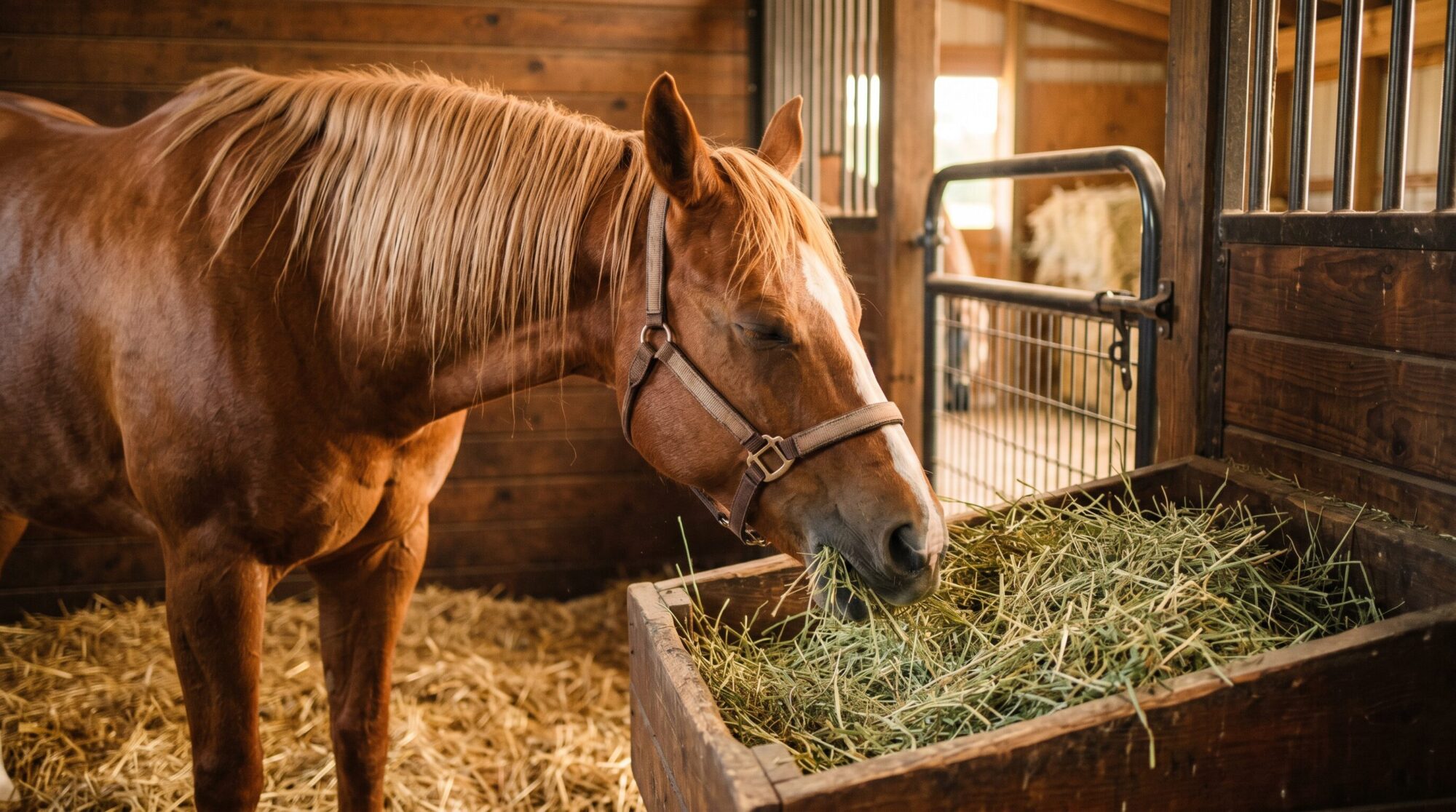
A horse can drink 5-10 gallons of water per day — more in summer or during heavy exercise. Check water buckets or troughs twice daily. Dump and refill regularly — horses will stop drinking from dirty water and dehydration leads to serious problems fast.
In winter, make sure water isn’t frozen. Heated water buckets are one of the best investments you’ll make.
3. Learn to Read Body Language
Your horse can’t talk, but he’s communicating constantly. Pinned ears, a swishing tail, or a tight expression can mean discomfort, pain, or irritation. A soft eye, a relaxed lower lip, and a dropped head mean your horse is calm and content.
Spend time just watching your horse. The more you learn to read him, the better partner you’ll become — and the faster you’ll catch something wrong before it becomes a big problem.
4. Hoof Care Every 6-8 Weeks — No Exceptions
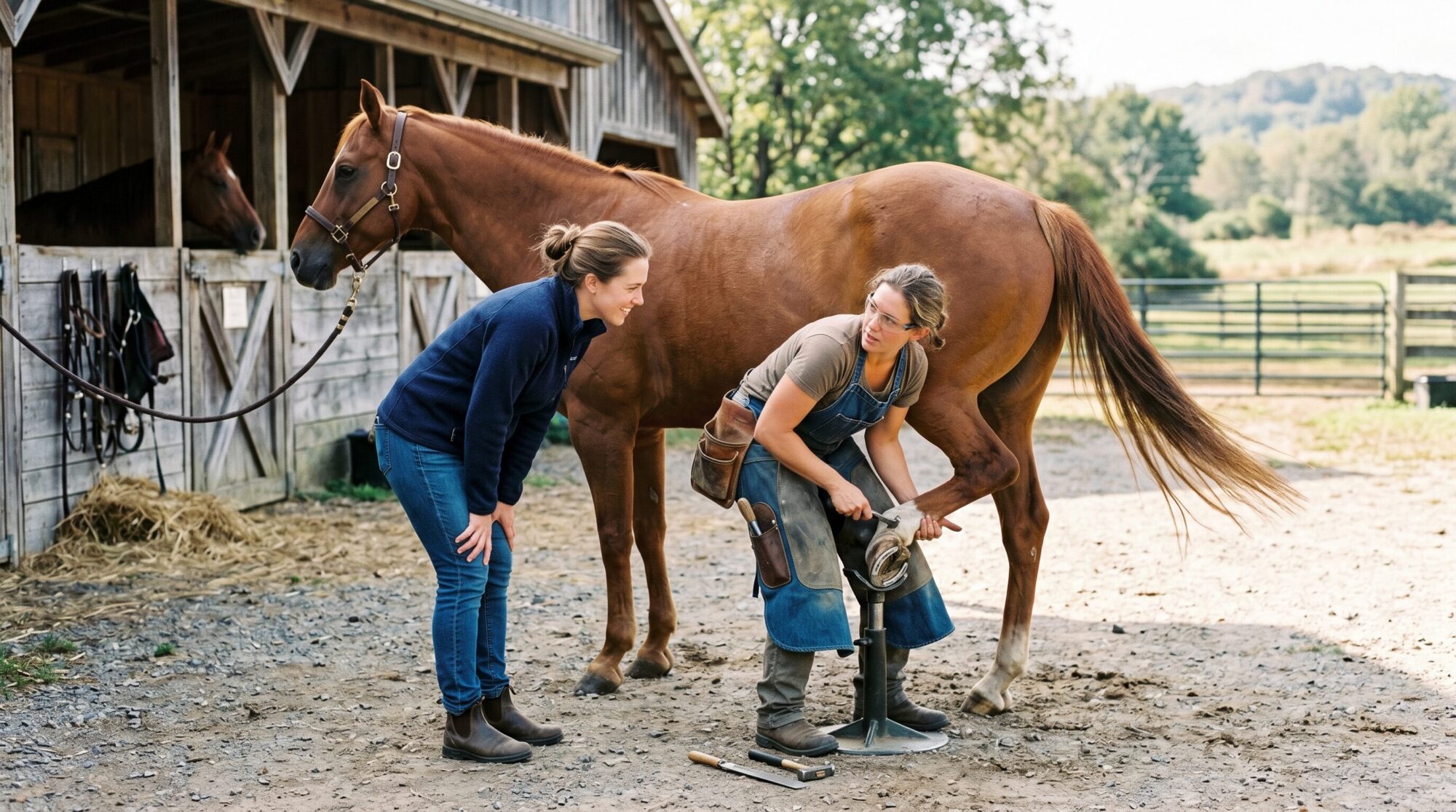
“No hoof, no horse” is one of the oldest sayings in the equine world, and it’s completely true. Your farrier should be on a regular 6-8 week schedule, whether your horse is shod or barefoot.
Pick hooves daily to remove packed dirt, rocks, and manure. It takes two minutes and helps you catch thrush, stones, or cracks before they become serious.
5. Know Your Horse’s Normal Vitals
Every horse owner should know their horse’s baseline:
- Resting heart rate: 28-44 beats per minute
- Respiration: 8-16 breaths per minute
- Temperature: 99-101°F
Check these when your horse is healthy so you know what normal looks like. When something seems off, you’ll have a baseline to compare — and your vet will appreciate you for it.
6. Grooming Is More Than Just Pretty
Daily grooming isn’t just about looking good — it’s a health check. While you’re brushing, you’re looking for cuts, swelling, heat in the legs, skin issues, and changes in weight or muscle.
A good grooming session also builds trust and strengthens your bond. Don’t skip it even on busy days — 10 minutes of grooming tells you more about your horse’s wellbeing than almost anything else.
7. Colic Is a Medical Emergency — Know the Signs
Colic is the number one killer of horses, and it can come on suddenly. Signs include:
- Pawing at the ground
- Looking at or biting their flank
- Rolling repeatedly
- Refusing to eat
- Elevated heart rate
If you see these signs, call your vet immediately. Do not wait to see if it passes. Keep your vet’s number in your phone on day one.
8. Build a Relationship With Your Vet and Farrier Early
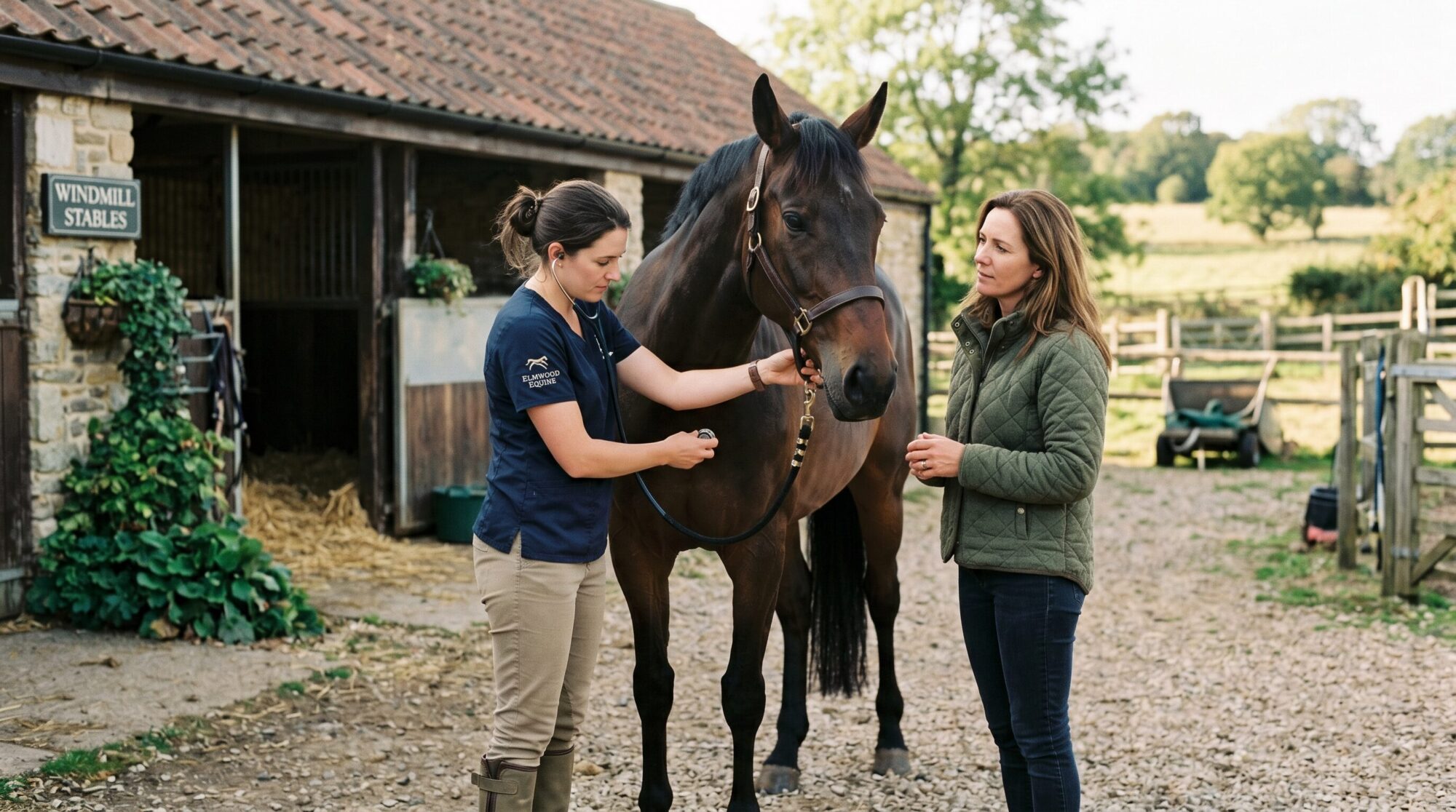
Don’t wait for an emergency to introduce yourself. Schedule a wellness exam, ask questions, and establish a relationship before you need them urgently. A vet who knows your horse is worth their weight in gold when something goes wrong at 10pm on a Friday.
Annual vaccinations, dental floats, and Coggins tests are the baseline of preventive care — budget for them from the start.
9. Horses Are Creatures of Habit
Horses thrive on routine. They do better when fed, turned out, and worked at consistent times. Sudden changes — in feed, environment, or schedule — can cause stress and digestive upset.
If you need to change something (switching hay types, for example), do it gradually over 1-2 weeks. Your horse’s gut microbiome needs time to adjust, and respecting that will save you a lot of vet bills.
10. Ask for Help — That’s What the Barn Community Is For
Nobody figures this out alone. The best horse people in the world still call their vet, their trainer, and their barn friends when they’re unsure about something. There is no shame in not knowing — there’s only shame in not asking.
Find your people. Lean on them. And one day you’ll be the experienced barn mom helping a newbie figure it all out.
Horse ownership is one of the most challenging and most beautiful things you’ll ever do. There will be hard days, expensive surprises, and moments where you wonder what you got yourself into.
But there will also be early morning rides in the quiet barn, and the feeling of a horse who trusts you completely. And that makes everything else worth it.
What do you wish you’d known before getting your first horse? Share it in the comments — let’s help the newcomers!