
Let’s be honest about something: horse ownership is expensive. There’s no sugarcoating it. Between board, feed, vet bills, farrier visits, and the endless parade of tack and supplies, it adds up fast.
But after years of doing this, I’ve picked up some tricks that have saved me serious time and money — without ever compromising my horse’s health or care. These aren’t corners to cut. They’re smarter ways to do things you’re already doing.
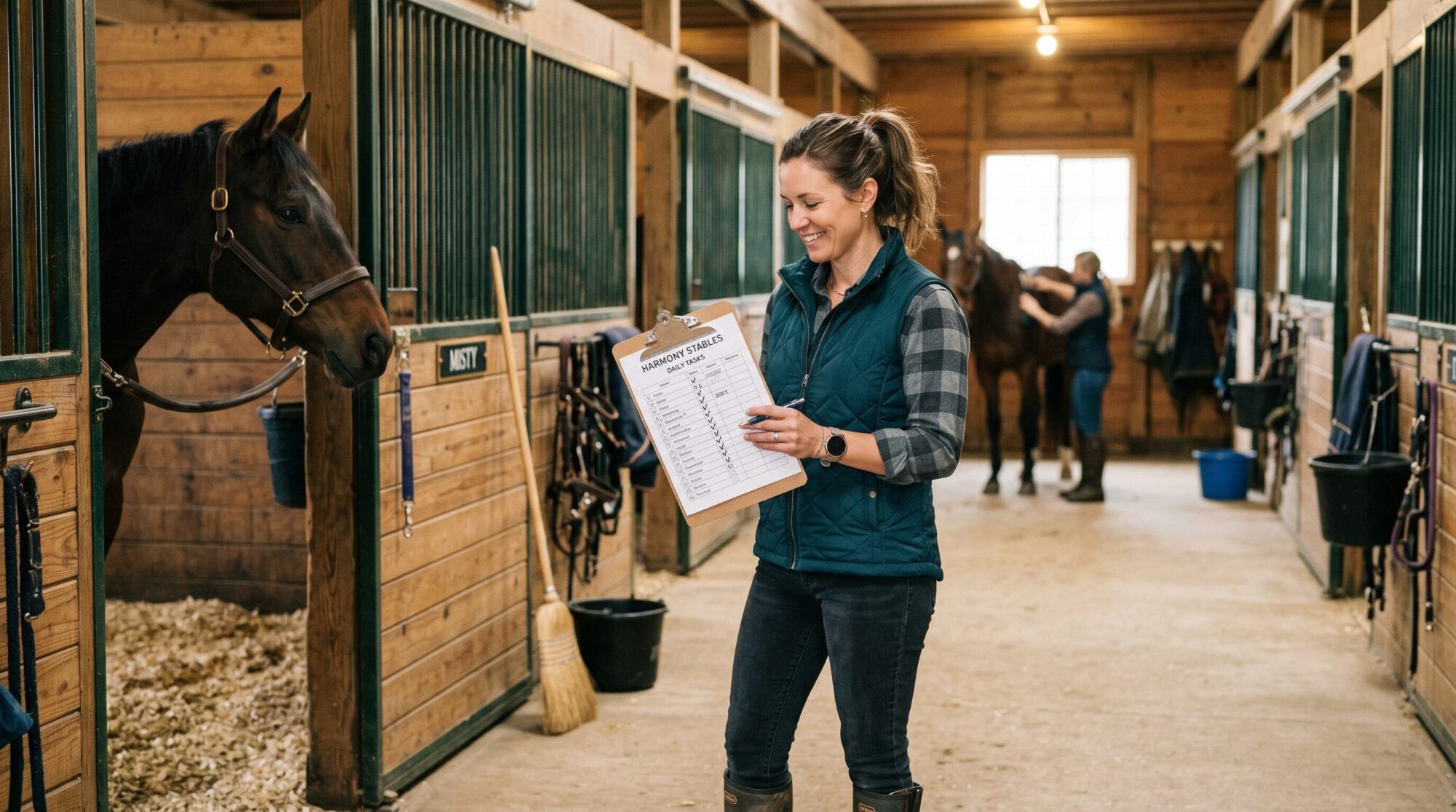
1. Buy Hay in Bulk Whenever Possible
If you board your horse and hay is included, skip this one. But if you’re buying your own hay, buying by the bale one at a time is the most expensive way to do it.
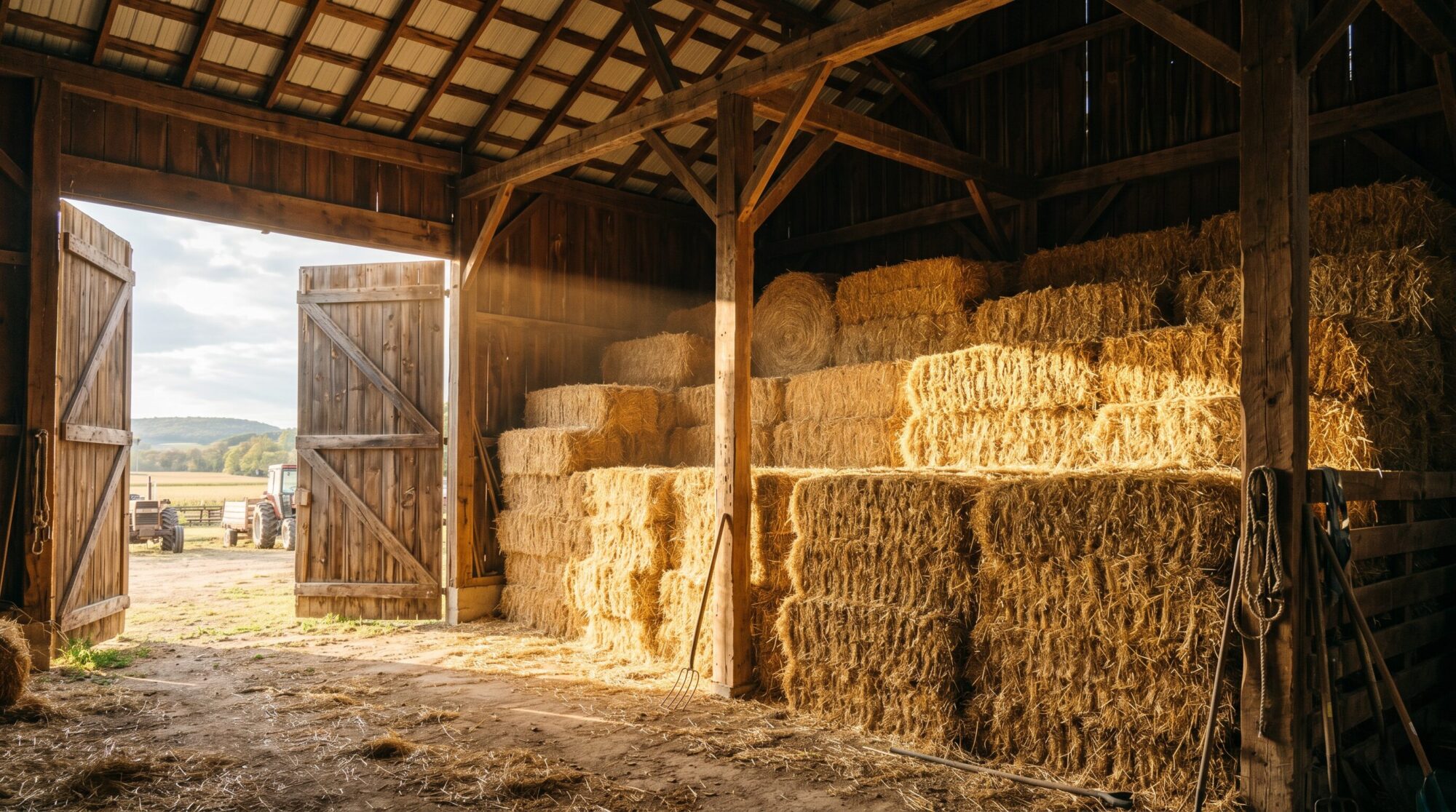
Find a local hay farmer and buy by the ton or half-ton at the beginning of the season. You’ll pay significantly less per bale, and you’ll know exactly what you have for the months ahead. Store it properly — off the ground, covered, and dry — and it keeps well.
2. Build a Relationship With Your Vet Before You Need One
Emergency vet calls cost more. After-hours calls cost even more. One of the best things you can do is establish a relationship with your vet through regular wellness visits so they know your horse — and so you have a direct line when something comes up.
A vet who knows your horse can often advise you over the phone for minor issues, saving you the cost of an emergency visit. That relationship is worth its weight in gold.
3. Learn Basic First Aid and Minor Wound Care
You don’t need a vet for every scrape, minor cut, or small abscess. Learning basic equine first aid — how to clean and wrap a wound, how to identify a hoof abscess, how to take vitals — can save you hundreds of dollars a year in unnecessary vet calls.
Invest in a good first aid kit and keep it stocked. Know what you can handle yourself and what requires a call to the vet. Your vet will appreciate that you’re not calling for every tiny thing, and your wallet will too.
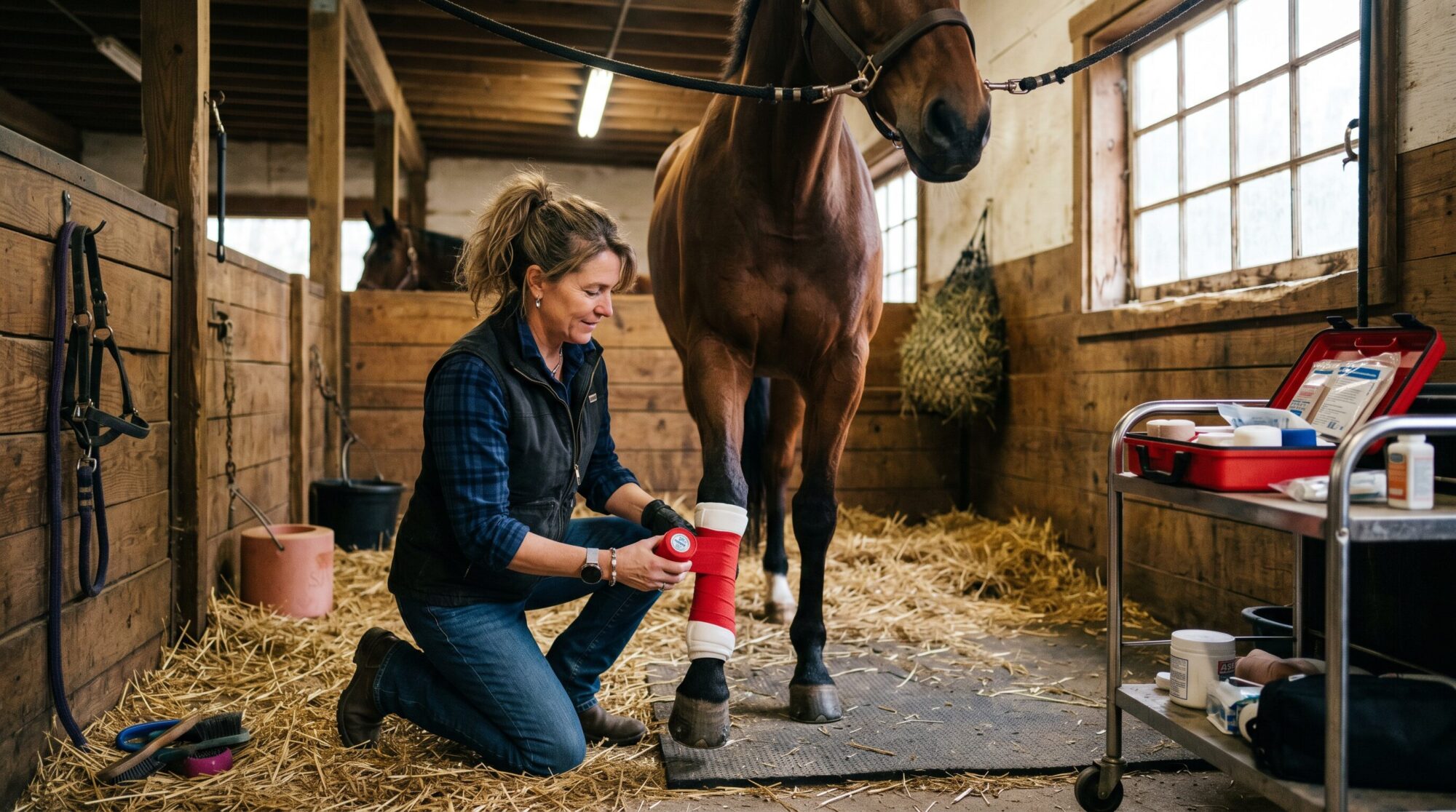
🩹 Build Your Barn First Aid Kit
Not sure what to stock? Here’s my go-to list of first aid and wound care essentials on Amazon — the exact items I keep on hand for scrapes, cuts, and minor barn emergencies.
Shop My First Aid Kit List4. Set Up a Dedicated Horse Budget — With an Emergency Fund
The number one financial stress in horse ownership is the unexpected. Colic surgery, a bad injury, an emergency vet call at midnight — these things happen and they’re expensive.
Start putting aside a small amount every month into a dedicated horse emergency fund. Even $50-100 a month adds up over time and means you’re not scrambling when something goes wrong. Having that cushion changes everything.
5. Do Your Own Grooming Before Lessons
If your trainer or barn does pre-lesson grooming for an additional fee, learning to do it yourself saves money fast. Grooming your horse before lessons is also one of the best bonding activities you can do — and it gives you that daily health check.
Set aside an extra 20-30 minutes before each lesson. It costs nothing and pays in multiple ways.
6. Shop End of Season Sales for Tack and Apparel
Breeches, boots, show coats, saddle pads — all of this goes on deep discount at the end of the riding season. Buy your kid’s next size up in breeches at end-of-season prices. Stock up on saddle pads when they’re 40% off. Replace gear before you desperately need it.
Following a few equestrian retailers on social media or signing up for their email lists means you’ll catch the sales when they happen. A little planning ahead saves a lot of money.
7. Co-Op Supplies With Other Barn Moms
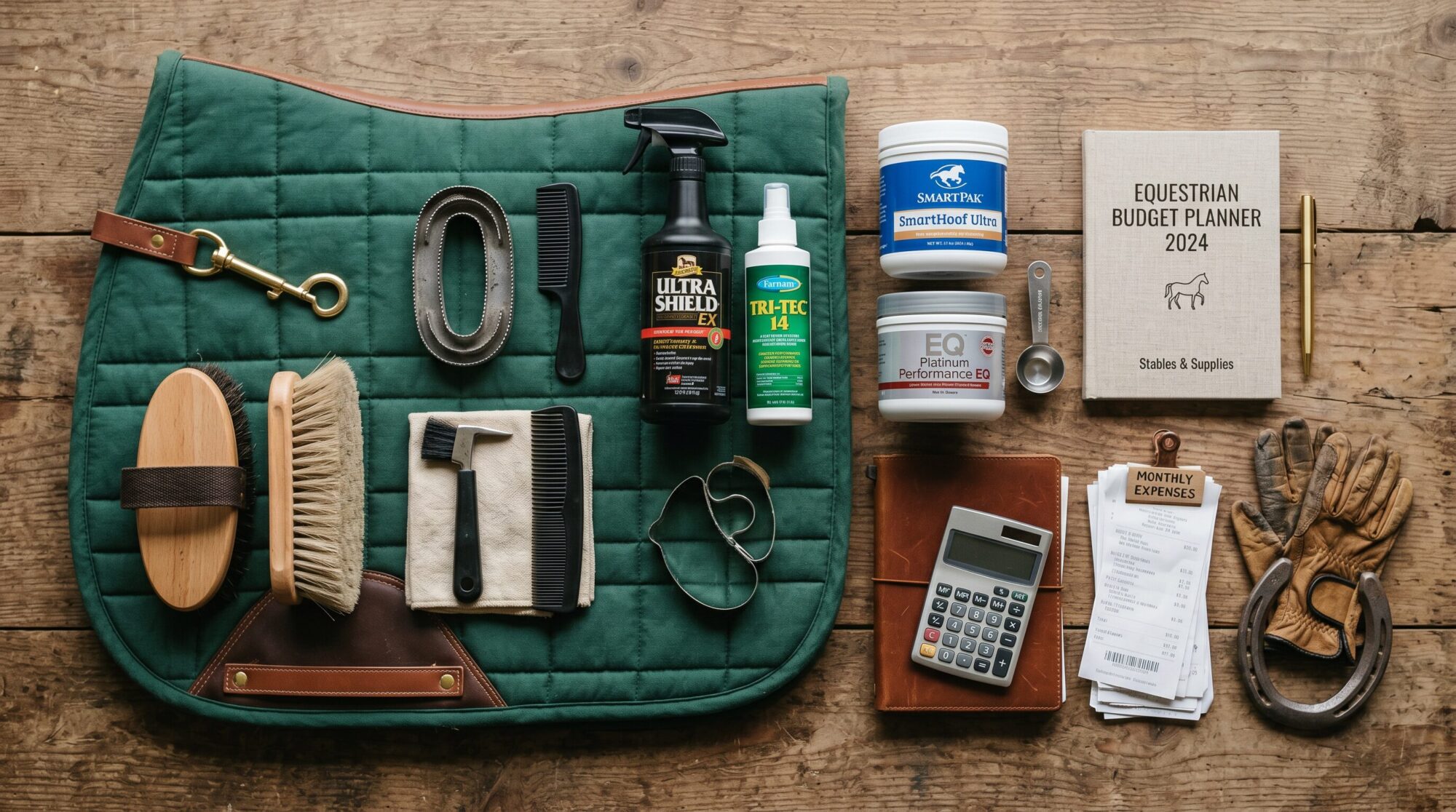
You know those big bags of supplements that are cheaper per serving but too much for one horse? Split them with a barn friend. Same goes for fly spray, grooming products, and other supplies that come in bulk sizes.
Barn communities are built on this kind of sharing. Don’t be shy about it — most barn moms are already doing it or would love to.
8. Create a Barn Chore Routine and Stick to It
A consistent barn routine means nothing gets forgotten, you’re never doing double work, and the barn stays in better shape overall. Write it down if you need to — morning routine, evening routine, weekly tasks. Once it becomes habit, you’ll move through chores faster and with less mental energy.
9. Invest in Quality Where It Counts
Cheap tack breaks. Cheap blankets fall apart. Cheap grooming tools wear out twice as fast. There are places to save money (generic fly spray, store-brand supplements) and places where quality pays for itself (saddle fit, helmets, boots). Knowing the difference saves you from buying cheap things twice.
10. Use Apps to Track Horse Health and Expenses
There are free apps for tracking your horse’s health history, vet visits, farrier schedule, and expenses. Knowing exactly what you spend — and on what — helps you spot where you can cut back and where you can’t. I got tired of juggling apps that didn’t talk to each other and ended up building my own barn management spreadsheet instead — one dashboard for health records, chores, and budget all in one place.
Horse ownership will never be cheap. But it can be smarter. Every dollar you save through better planning is a dollar that stays in your pocket — and probably gets spent on another saddle pad anyway. No judgment. We’ve all been there.
Quick Recap: Your Money-Saving Checklist
- Buy hay in bulk instead of by the bale
- Build a relationship with your vet before an emergency
- Learn basic first aid and minor wound care
- Set up a dedicated horse budget with an emergency fund
- Do your own pre-lesson grooming
- Shop end-of-season sales for tack and apparel
- Co-op supplements and bulk supplies with other barn moms
- Create a consistent barn chore routine
- Invest in quality where it actually counts
- Track horse health and expenses with an app
What’s your best money-saving barn tip? Drop it in the comments — let’s build the ultimate list together!