Every riding instructor has a mental list. Things they wish their new students knew before showing up for lesson one. Things that would make everything smoother, safer, and more fun from the very beginning.
I’ve spent enough time at barns — watching, learning, and asking a lot of questions — to know what’s on that list. Consider this your unofficial head start.
1. Relax. Seriously, Relax.
This is the number one thing trainers wish they could telepathically communicate. Tension travels straight from your body into your horse. When you’re stiff and nervous, your horse feels it and gets stiff and nervous too.
Easier said than done, I know. But consciously releasing your shoulders, softening your hands, and breathing deeply makes an immediate difference. Every time you catch yourself holding your breath, exhale. Your horse will thank you.
2. Your Hands Are Not Handles
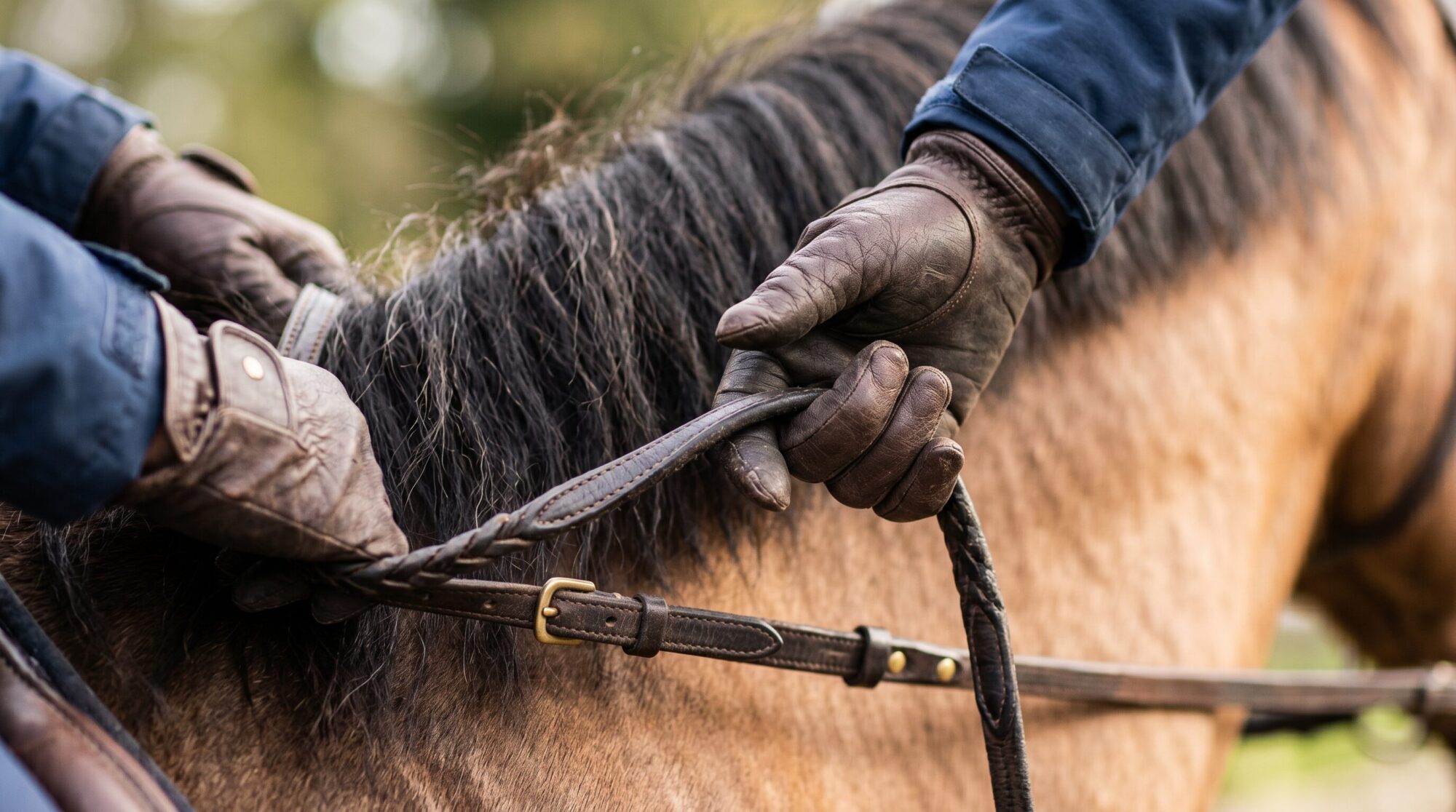
New riders almost universally do this: they grab the reins tight and hold on for balance. It feels safe. It is not safe — and it’s not fair to the horse.
Reins are communication tools, not grab bars. Gripping hard sends confusing, constant signals to a horse who is trying to understand what you want. Use your core and leg for balance. Save your hands for communication.
3. Look Where You’re Going
Your horse goes where you look. This sounds almost too simple, but it’s completely true. Drop your eyes to the ground, your horse drifts. Look around a corner before you get there, your horse flows through it.
Train yourself to look up and ahead — at least one horse length in front of where you are. It improves your position, your confidence, and your horse’s way of going all at once.
4. Heels Down Isn’t Just About Position
“Heels down” is the most repeated instruction in any riding lesson, and beginners often think it’s purely cosmetic. It isn’t.
Pushing your heels down creates a secure lower leg position that keeps your foot from slipping through the stirrup — which is a safety issue, not just a style one. It also helps you absorb movement through your leg rather than bouncing in the saddle. Master it early and everything else gets easier.
5. Sitting the Trot Is Hard — and That’s Okay
The trot will humble you. This is a universal beginner experience and there is nothing wrong with you if it takes a while to feel comfortable. The sitting trot especially takes time, core strength, and a lot of practice to get right.
Don’t be embarrassed to post (rise) the trot while you’re building strength and balance. That’s what posting is for. Your trainer is not judging you — they’re watching your position and helping you improve.
6. Lessons on the Lunge Line Are Earned, Not Automatic
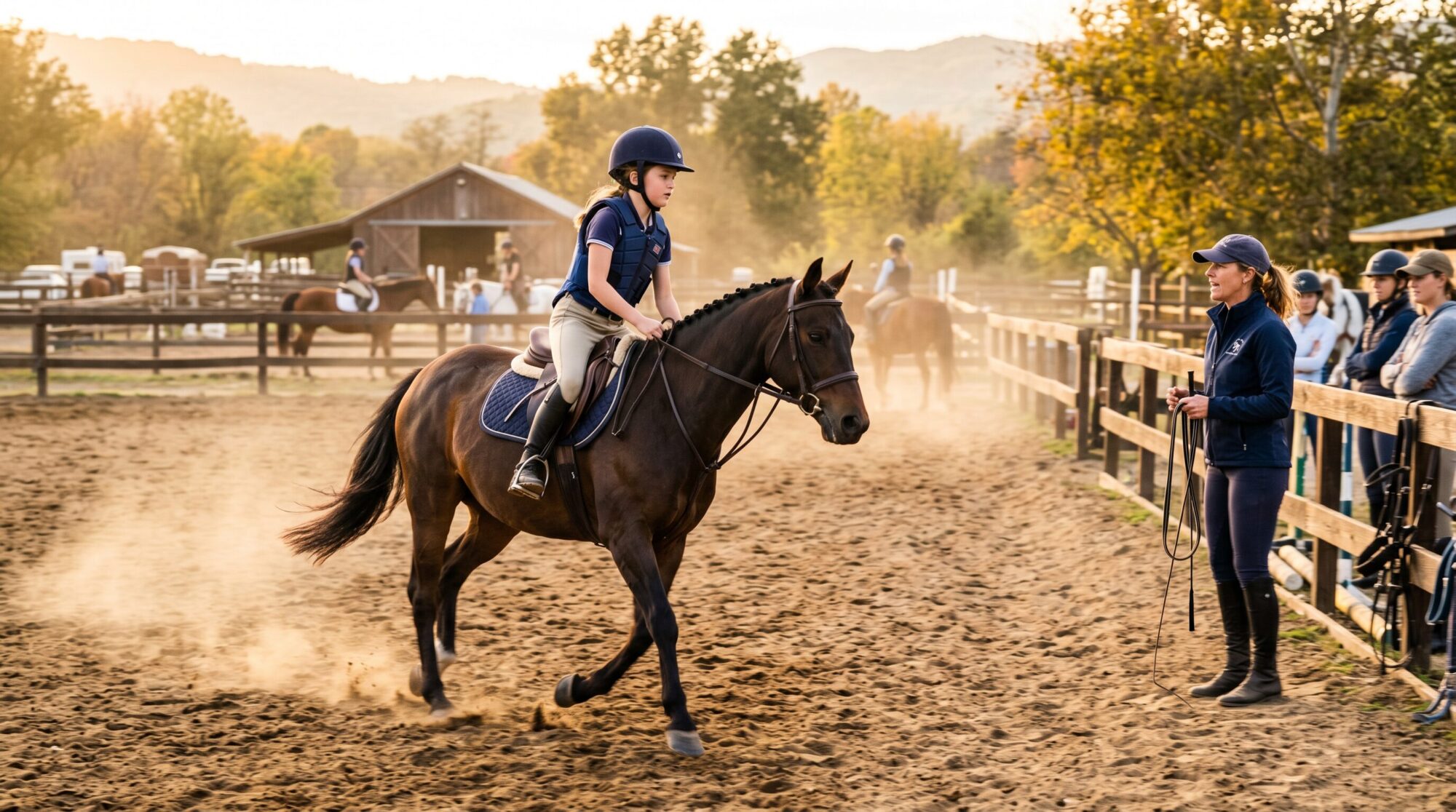
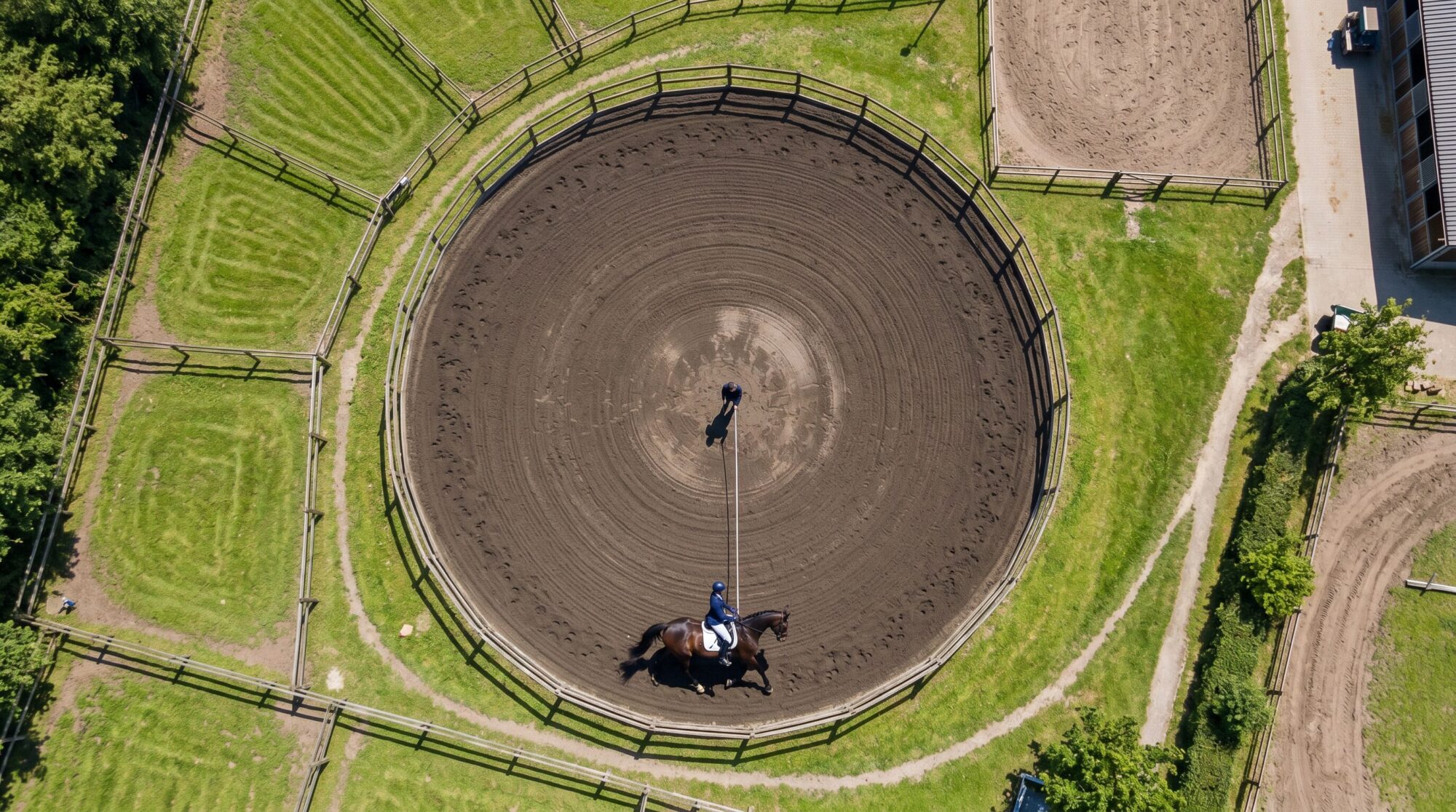
Many beginners are surprised to spend multiple lessons on the lunge line — where the trainer controls the horse while you focus on your position. This feels slow. It isn’t.
Lunge lessons are where you build the independent seat that makes everything else possible. Rushing off the lunge line before you’re ready means developing bad habits that are hard to unlearn later. Trust the process.
7. What You Do on the Ground Matters
How you approach a horse, how you lead it, how you groom and tack up — all of this affects your relationship with that animal before you ever get in the saddle. Horses read your energy and body language constantly.
Move calmly and deliberately around horses. Don’t approach from directly behind. Speak in a low, steady voice. Be consistent. These habits make you a safer, more trustworthy presence for every horse you work with.
8. Ask Questions — All of Them
Your trainer has heard every beginner question imaginable and there are no stupid ones. Ask why you’re doing something, not just what. Understanding the reason behind an instruction helps you remember it and apply it instinctively.
The students who progress fastest are the ones who ask the most questions and who listen — really listen — to the answers.
9. Video Yourself When Possible
You cannot feel what you look like in the saddle. What feels like perfect posture is often something different entirely when you see it on video. Ask someone to film your lessons occasionally and watch the footage with your trainer.
It can be humbling. It is also one of the fastest ways to improve.
10. Be Patient With Yourself — and Your Horse
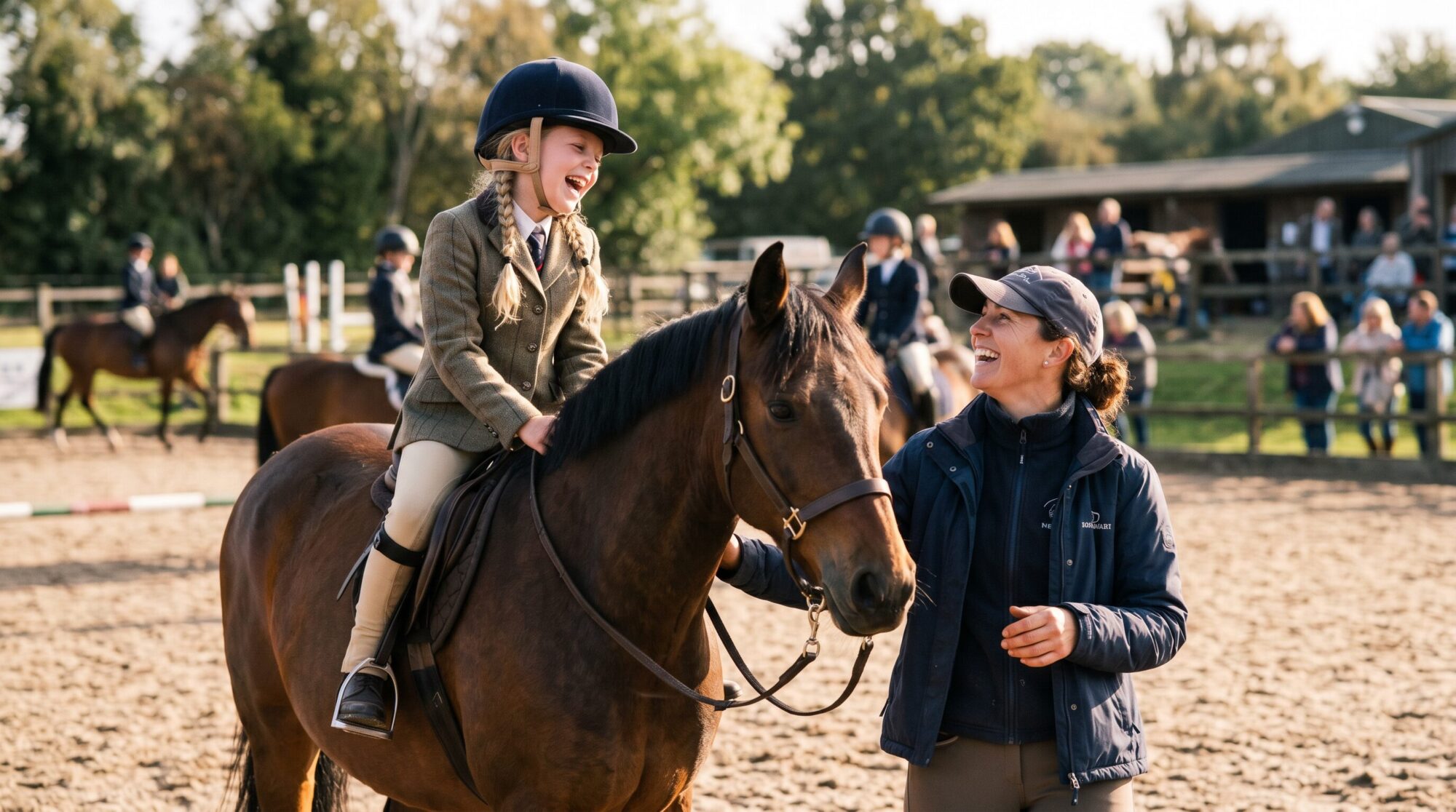
Progress in riding is not linear. You’ll have lessons where everything clicks and lessons where nothing does. You’ll have great days and frustrating ones. So will your horse.
The riders who stick with it and become truly good are not the ones with the most natural talent. They’re the ones who kept showing up, stayed humble, and never stopped learning. That’s the real secret your trainer wishes every beginner knew.
Quick Reference: 10 Tips Your Trainer Wishes You Knew
- Relax — tension travels straight to your horse
- Use your seat and legs for balance, not your hands
- Look where you’re going, not down at the ground
- Keep your heels down for real security, not just style
- Give yourself grace — the sitting trot takes time
- Trust the lunge line lessons; they build your independent seat
- Mind your ground manners — horses read your energy before you mount
- Ask questions, especially “why,” not just “what”
- Video your lessons to see what you can’t feel
- Be patient with yourself and your horse — progress isn’t linear
Once these basics feel solid, Riding Tips for the Intermediate Rider picks up right where this leaves off. And if nerves are part of the challenge, Overcoming Fear and Building Confidence in the Saddle covers that directly.
What was the hardest thing you had to learn when you started riding? Share it in the comments — let’s help the beginners feel less alone!