Overcoming Fear and Building Confidence in the Saddle
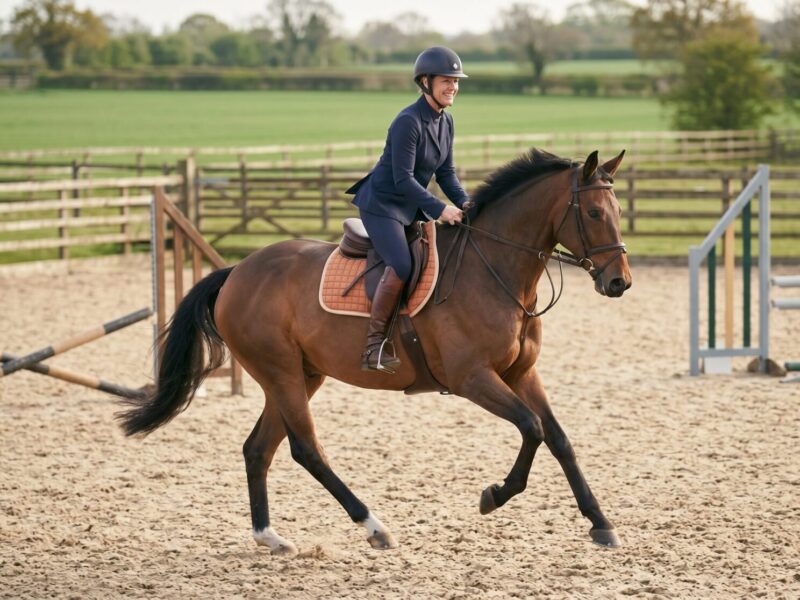
Let’s start with a truth that we simply do not talk about enough in the competitive equestrian world: fear is completely normal. Whether you are a beginner rider feeling utterly overwhelmed by the sheer size of your new equine partner, an experienced equestrian returning after a bad fall, or a barn parent watching your child freeze up in the ring, overcoming fear in the saddle is a universal part of the journey.
Building genuine confidence requires acknowledging that fear is a natural nervous system response. It means taking a step back to rebuild trust through focused groundwork, finding a horse that matches your comfort level, and working with a trainer who prioritizes your emotional safety over rushed progress.
I’m Cynthia, and I have absolutely been there. I’ve been the rider with shaking hands gripping the reins too tightly, and I’ve been the barn mom holding my breath on the rail while my kid navigates a scary moment. Generic platitudes like “just believe in yourself” do not work. Real confidence is built through patience and highly practical steps. Here is how we actually overcome fear and get back to truly enjoying the ride.
Understanding That Fear is a Normal Nervous-System Response
People often treat fear in the saddle as a character flaw, a lack of bravery, or something to be ashamed of. It isn’t. Fear is your brain doing exactly what it was designed to do: keeping you safe. When you get into the saddle and feel anxious, your nervous system triggers a primitive fight, flight, or freeze response.
The primary issue equestrians face is the tension-horse-senses-it cycle. Horses are prey animals. They are exquisitely tuned to their environment and to the humans handling them. When your breathing gets shallow, your heart races, and your muscles clamp down on their sides, your horse instinctively thinks, “My human is terrified; there must be a predator nearby.”
This biological reaction makes the horse anxious and spooky, which in turn makes you even more fearful. Breaking this cycle is the foundational key to riding with real confidence. You have to learn how to communicate to your horse that everything is okay, even when your own brain is sounding the alarm.
The Role of Groundwork: Rebuilding Trust Outside the Saddle
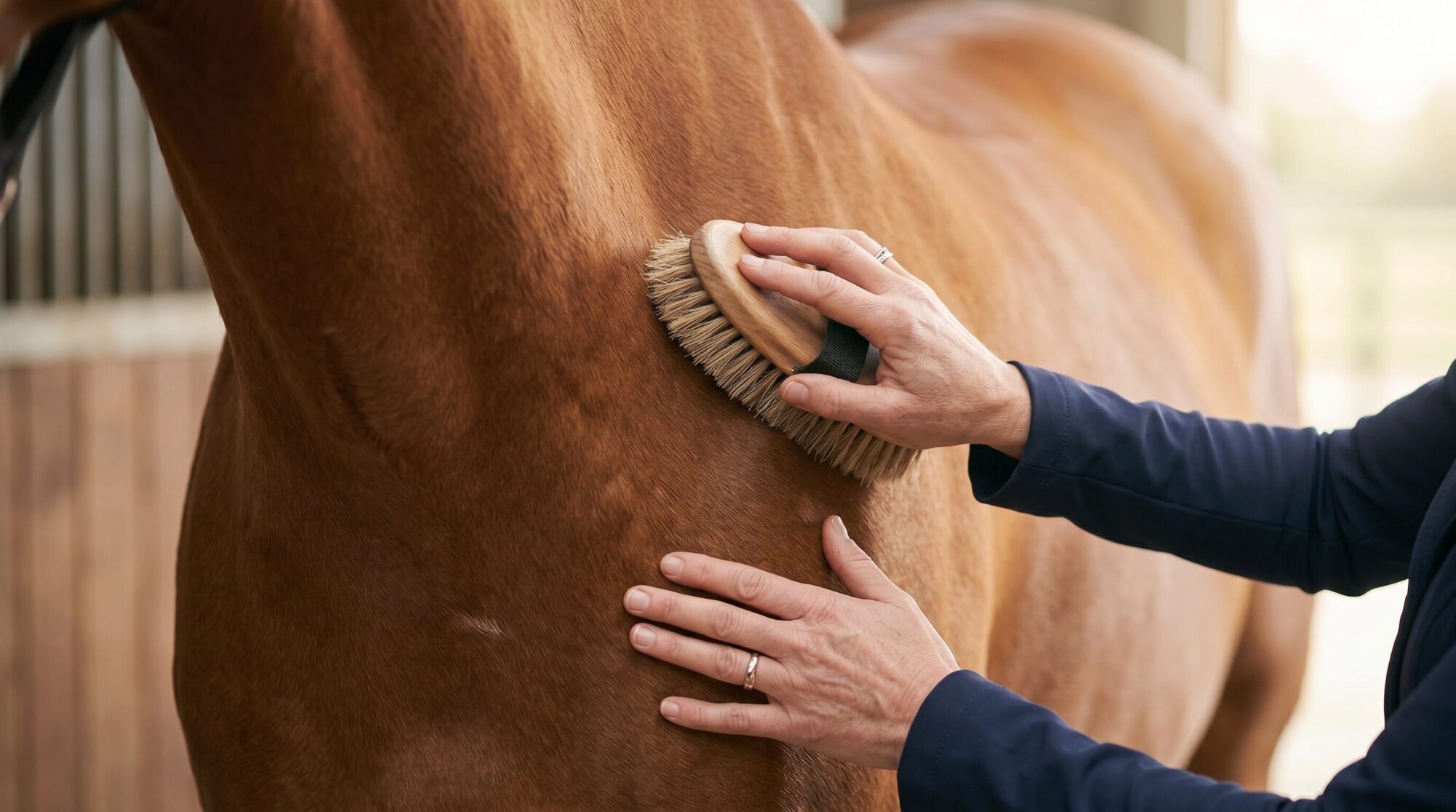
Confidence is not only built while you are sitting in the saddle. In fact, when fear is running incredibly high, the saddle is often the hardest and worst place to start. Rebuilding a deep sense of trust begins with your boots firmly on the ground.
Spending unstructured, low-pressure time with a horse reminds you that they are gentle, thinking partners, not unpredictable machines. When you remove the pressure of riding and performance, you allow yourself to just exist with the animal.
- Grooming with intention: Take your time brushing, currying, and massaging the horse. Pay attention to what they enjoy. This builds a bond and helps lower your own heart rate before you ever pick up a saddle pad. This simple act of grooming helps center your mind and reminds you of why you love these beautiful animals in the first place.
- Hand-walking and grazing: Walking your horse around the property and letting them graze allows you to handle them in a relaxed state. You learn to read their body language without the stress of balancing on their back.
- Basic in-hand exercises: Working on simple groundwork exercises, like yielding the hindquarters or backing up on command, establishes communication and shows you that you can direct the horse’s feet safely.
Finding the Right Match: Horses and Trainers
You absolutely cannot build confidence on a horse that makes you perpetually nervous, and you cannot learn from a trainer who pushes you far past your panic threshold.
The Value of a Confidence-Builder Horse
Not every horse is right for a nervous rider. There is zero shame in stepping down to a quiet, older lesson horse. In the barn world, we call them “packers” or “saints” for a reason. You need a steady horse that will happily ignore your mistakes, forgive your accidental tension, and allow your nervous system to regulate. If your current horse is too green, too hot, or too sensitive, switching to a confidence-builder for a few months can work miracles.
A Trainer Who Matches Your Pace
Your instructor plays a massive role in how you process fear. Look for these specific qualities when finding the right support system for a nervous rider:
Empathy Over Ego
A great trainer prioritizes your emotional comfort over winning ribbons or moving up a level quickly. They understand that pushing a terrified rider only creates more trauma.
Clear Communication
They consistently explain the “why” behind every exercise. Knowing the mechanics of how to stop or turn gives a nervous rider a sense of tangible, logical control.
Incremental Wins
They break massive goals down into tiny, digestible steps. If cantering is too scary, they will have you focus on perfecting your posting trot until you feel entirely secure.
Breathing and Body Awareness in the Saddle
When you finally do get back in the saddle, physical tension is your biggest enemy. “Just relax” is arguably the most useless piece of advice in the equestrian dictionary. You need actionable, physical techniques to actively interrupt the tension.
First, try singing or humming out loud. When you are scared, you subconsciously hold your breath. Singing forces your diaphragm to keep moving and ensures you are exhaling. It also acts as a calming auditory signal to your horse.
Second, practice the art of the body scan. Start at the top of your head and work your way down to your boots. Unclench your jaw. Drop your shoulders away from your ears. Loosen your death grip on the reins. Wiggle your toes in your boots. By actively focusing on loosening specific body parts, you give your brain a task to focus on other than the fear itself.
Navigating the Aftermath of a Fall or Bad Spill
A fall changes things mentally and physically. The old equestrian adage says “you have to get right back on the horse,” and while that can sometimes prevent fear from cementing, it is not a universal rule. If getting back on means you are a trembling, panicked mess, you are not doing yourself or the horse any favors.
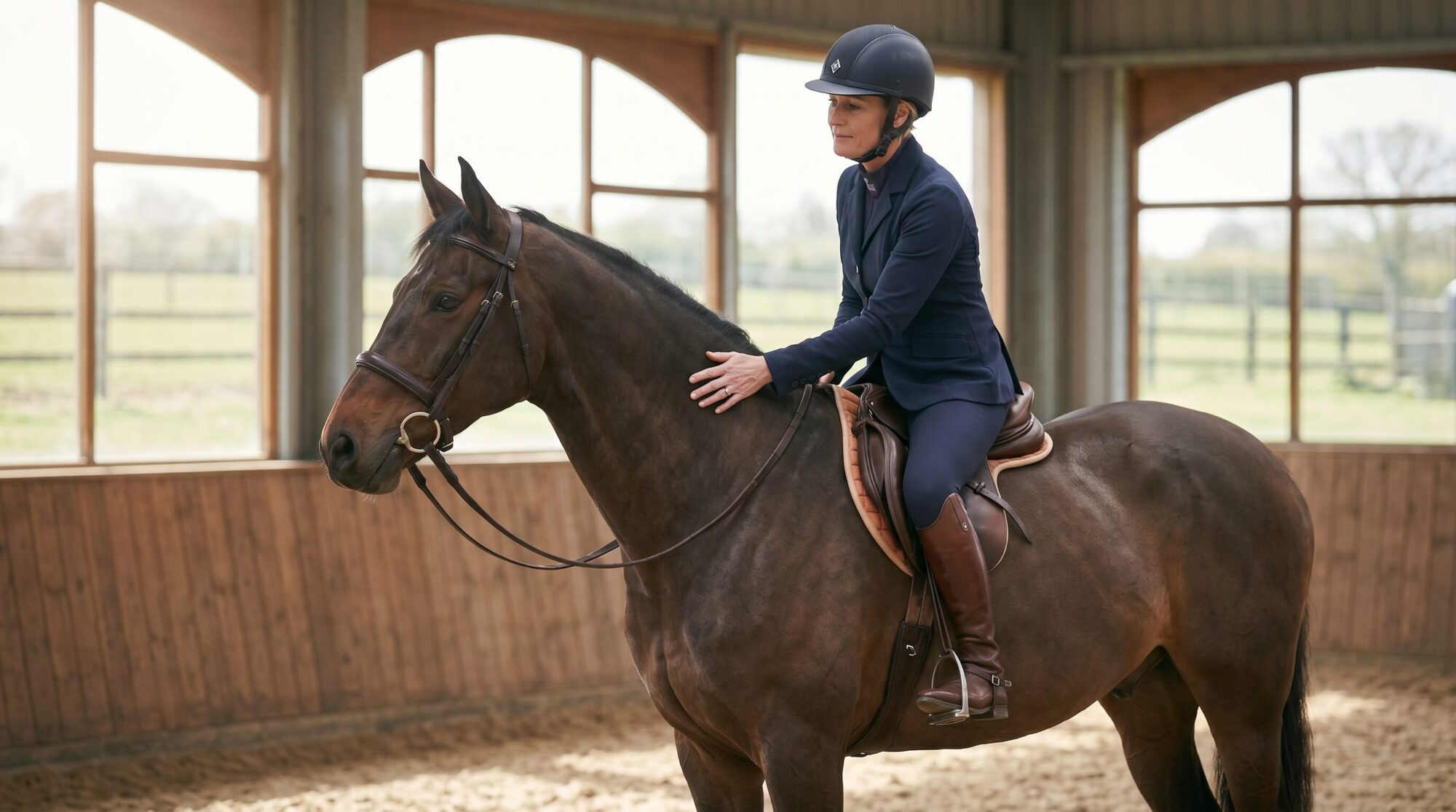
After a bad spill, always assess yourself physically and mentally first. Give yourself grace. Trauma takes time to process. Getting back on might simply mean mounting the horse, sitting in the saddle at a halt while a friend holds the lead rope, taking three deep breaths, and then dismounting for the day.
Do not rush the process. Small incremental wins are vastly superior to taking big, terrifying leaps that could set your confidence back even further. Re-introduce speed and difficulty only when you feel completely bored at your current level. Boredom is the absolute best indicator that your confidence has successfully returned.
For the Barn Moms: Supporting a Nervous Kid Without Projecting
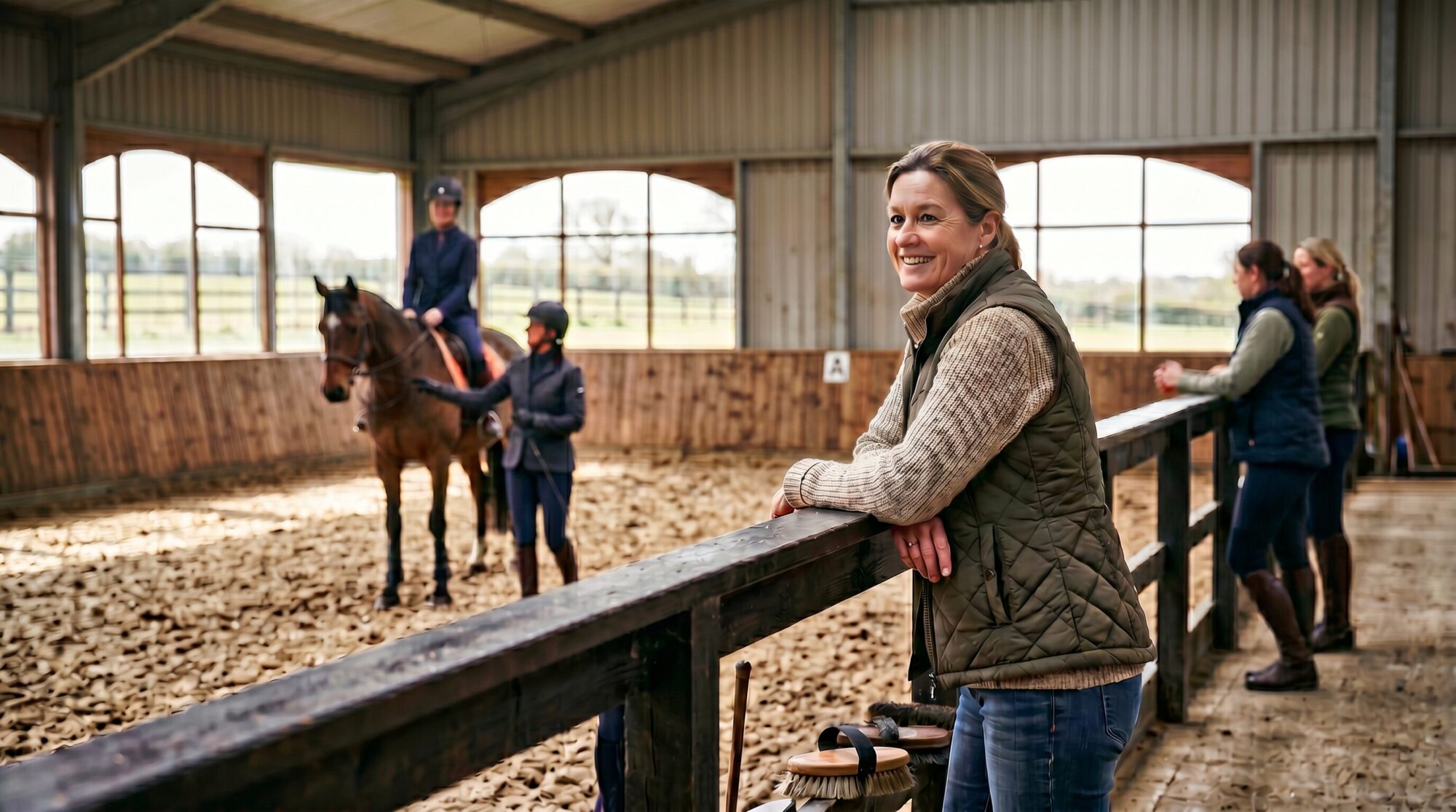
As a barn mom, watching your child struggle with fear is agonizing. Our immediate parental instinct is often to fix it, push them through the discomfort, or, worst of all, accidentally project our own anxiety onto them while we pace the rail.
It is vital to remember that this is their riding journey, not yours. If they need to take a step back and just walk on the lunge line for three weeks, let them.
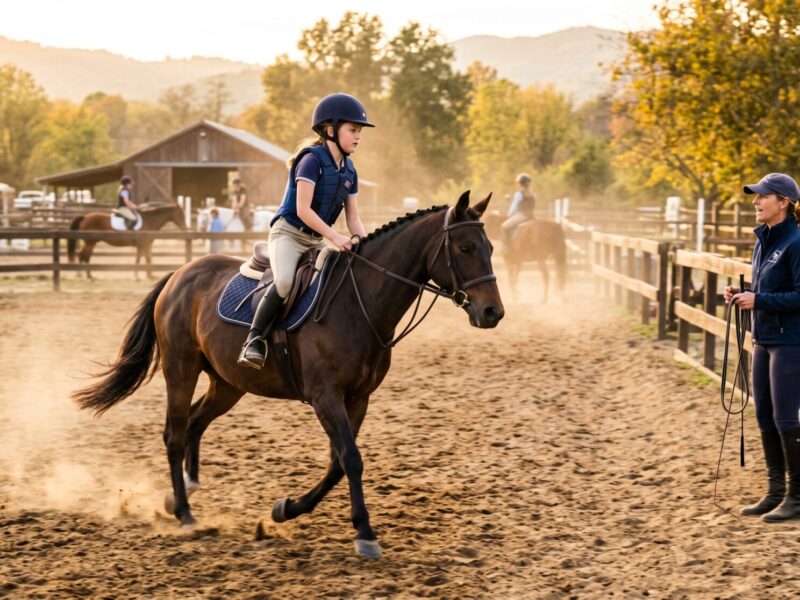
Keep your own energy grounded. Your child will look to you to gauge how dangerous a situation is. If you are visibly panicked, they will be too. Offer a safe space for them to express their fears without the threat of you pulling them out of lessons or forcing them to push through tears. Remember, a child who feels emotionally safe and supported at the barn is much more likely to develop a lifelong love for the sport.
Summary and Next Steps
Overcoming fear is rarely a linear process. You will have spectacular days where you feel on top of the world, and you will inevitably have days where just walking over a single ground pole feels like climbing Mount Everest. Both of those days are perfectly okay.
By understanding your nervous system, prioritizing groundwork, riding a well-matched horse, and using intentional breathing techniques, you can gradually replace panic with genuine, lasting confidence. Give yourself the gift of patience and time.
Once you’re feeling steadier, Riding Tips for the Intermediate Rider picks up right where confidence-building leaves off. And if you’re just starting out, see Riding Tips for Beginners.
Join the Community
Ready to build a stronger bond with your horse and connect with other supportive equestrians? Join our That Barn Mom community today for more practical riding tips, encouragement, and honest conversations about real, everyday life in the saddle.