

Barn Mom Budget Confessions: What I Actually Spend in a Month
Let us talk about the majestic, beautiful, thousand-pound elephant standing right in the middle of the tack room: the actual, unvarnished cost of having a horse-crazy child. If you are a new barn mom, you might still be operating under the adorable delusion that once you buy the boots, the helmet, and pay for a weekly lesson, you are done. Oh, my sweet summer child. I was once just like you.
Before we dive in, let me give you the direct, band-aid-ripping answer to what you are searching for. In an average, non-show month, I spend between $1,200 and $1,500 on my daughter’s equestrian pursuits. During show season, that number can easily double, and if there is a surprise vet visit, we are eating spaghetti for three weeks straight. I know that number sounds terrifying when you say it out loud, but as any seasoned barn mom will tell you, it happens gradually. It is a slow, methodical drain on your bank account disguised by cute pony noses and character-building life lessons.
I am Cynthia, and today I am pulling back the curtain on my actual monthly budget. This is not financial advice. This is a confession. I am going to break down the board, the lessons, the vet bills, and those seemingly “small” extras that completely ruin a perfectly good family budget. Grab a cup of coffee (or something stronger), and let us look at the numbers.
The Big Three: Board, Lessons, and Training
The foundation of any equestrian budget is what I call “The Big Three.” These are the non-negotiable, recurring baseline expenses that you simply cannot avoid if you are leasing or owning a horse.
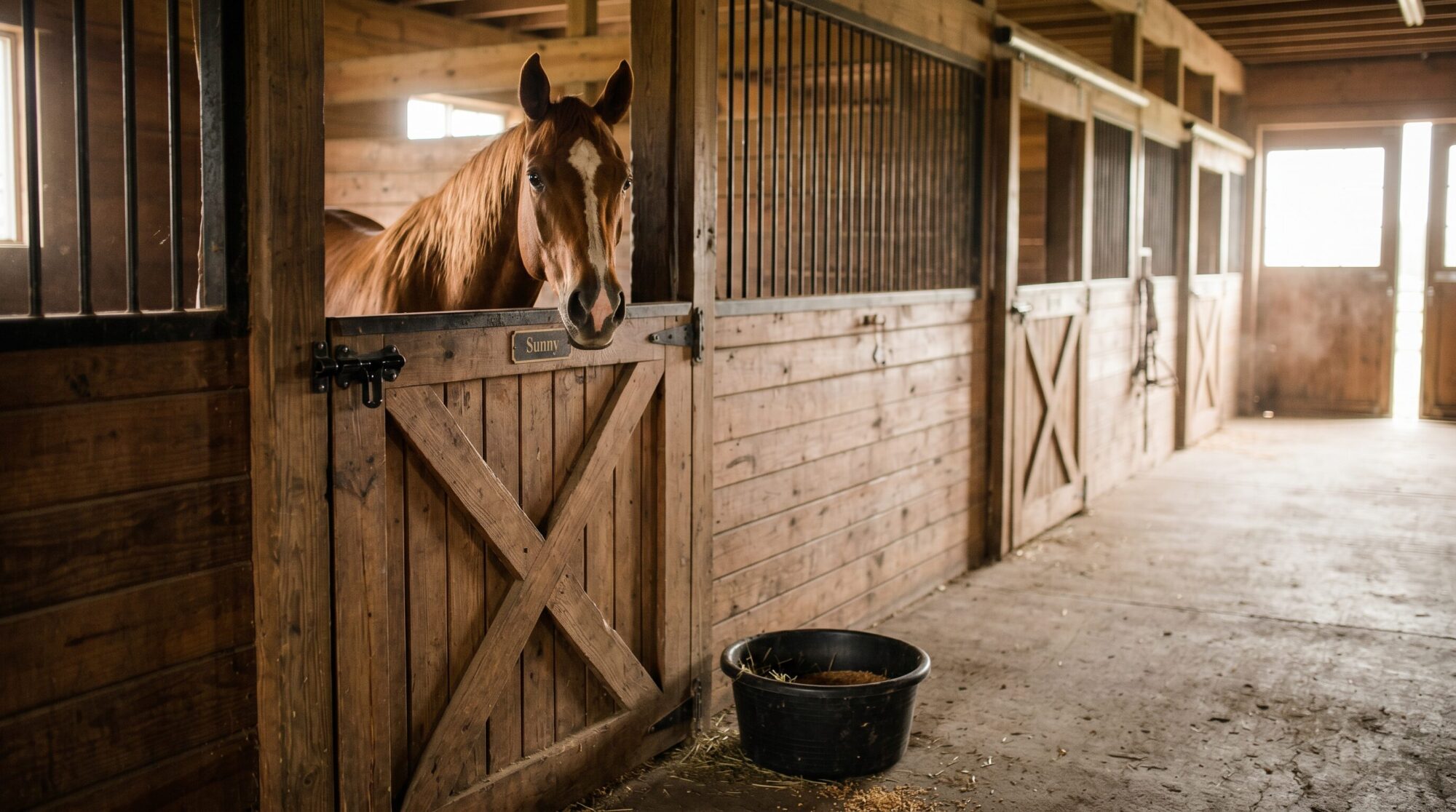
First up is boarding. We pay for full board, which means the barn owner provides the stall, turns the horse out to pasture, cleans the stall, and feeds the hay and grain. Where we live, full board is about $750 a month. If you live near a major metropolitan area or are at a high-end show barn, that number can easily skyrocket to $1,500 or even $2,500 a month. If you are doing rough board (where you clean your own stalls and provide your own feed), you might get away with $300 to $400, but you will pay for it in sweat equity and time.
Next is lessons and training. My daughter rides in two group lessons and one private lesson a week. The group lessons are $50 each, and the private is $75. That is $175 a week, which translates to roughly $700 a month just for instruction. Add in a professional training ride once a week to keep the horse tuned up (because ponies love to test boundaries), and that is another $200 a month.
Right there, before we have even bought a single carrot or replaced a lost hoof pick, we are sitting at a baseline of $1,650. And remember, that is just the cost of existing at the barn and learning how to stay in the saddle.
Health, Hooves, and Routine Maintenance
If you thought the boarding fees were the end of it, let me introduce you to the farrier and the veterinarian. Horses are essentially large, fragile toddlers who are constantly finding new and expensive ways to injure themselves or require specialized care.
Every six weeks, like clockwork, the farrier arrives. My kid’s gelding needs front shoes and a trim all around. That is $120 per visit. When you average that out over the year, it is about $80 a month. I currently pay more for my horse’s pedicures than I do for my own, and I have just accepted that this is my life now.
Then there is the routine veterinary care. Spring and fall vaccines, Coggins testing, and dental floating usually run us about $600 a year, or $50 a month. But you also have to budget for the inevitable moment when your horse decides to step on a sharp rock, pull a muscle in the pasture, or develop a mysterious cough right before a big clinic. I keep a dedicated “vet slush fund” and try to throw $100 into it every month. Sometimes it is enough; sometimes I end up crying in the barn aisle while handing over my credit card for an emergency weekend farm call.
Do not forget about supplements! Joints, hooves, digestion, calming powders—it never ends. We spend about $60 a month on joint supplements and an electrolyte powder during the hot summer months. It is amazing how quickly tubs of powder that smell like peppermint and alfalfa can drain your wallet.
The “Small” Extras That Ruin Everything
This is the category that completely sneaks up on you. You budget meticulously for board and lessons, but you forget about the constant trickle of minor expenses that eventually turn into a financial flood. I call this the “Tack Store Tax.”
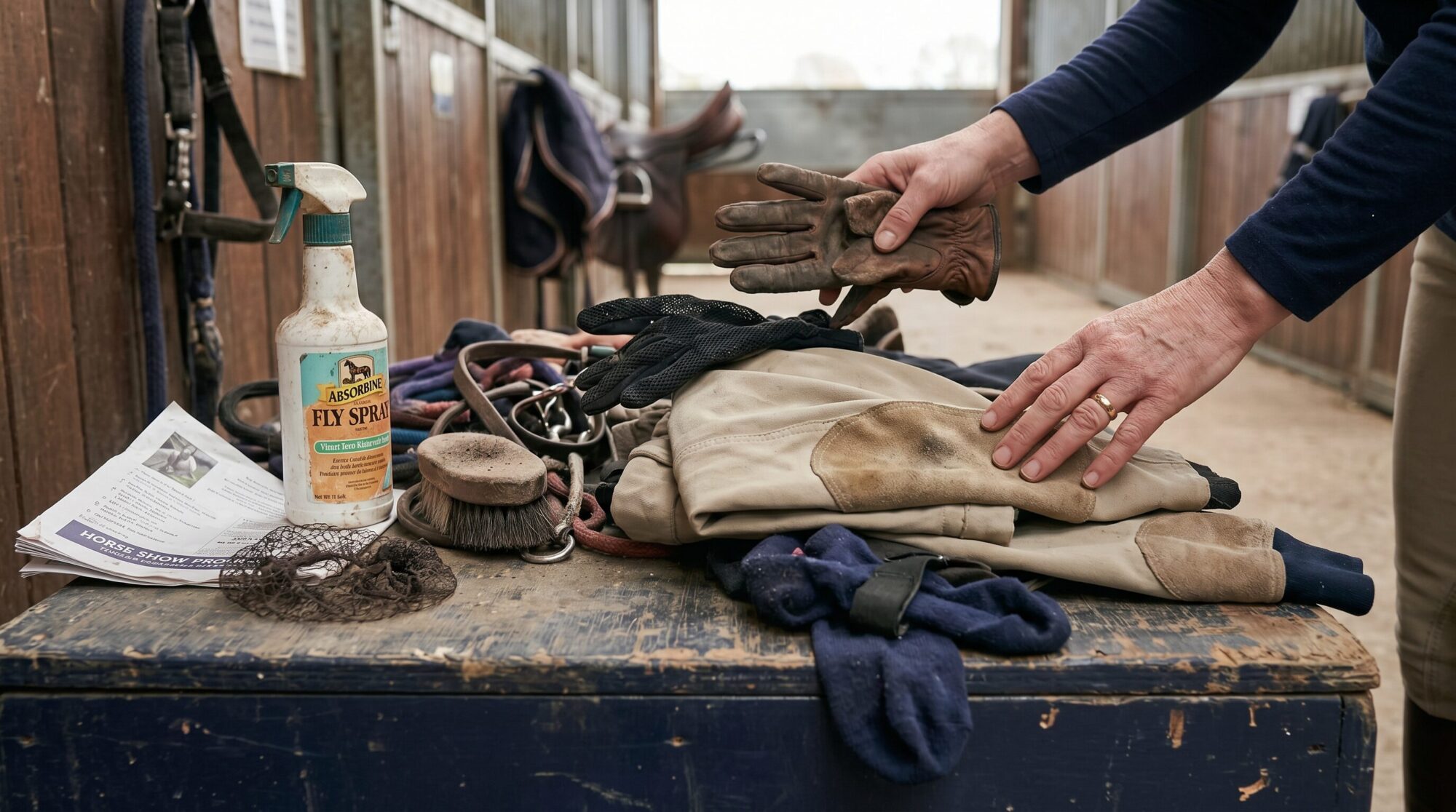
Every month, we seem to need something. Fly spray in the summer is basically liquid gold; we go through a $25 bottle every two weeks. Winter brings the need for hand warmers, thicker gloves, and a sudden realization that the horse has completely shredded his heavy turnout blanket. And let us talk about breeches. Children grow. They grow fast. The $80 pair of riding pants you bought in March will inexplicably be three inches too short by July. Add in replacing lost grooming brushes, buying mane detangler (another $18 a bottle), and picking up a new halter because the horse broke his playing halter tag in the pasture.
- Treats: A five-pound bag of carrots every week ($5), plus those fancy baked horse cookies my daughter insists he “needs” ($15 a bag). Monthly total: $35.
- Grooming Supplies: Fly spray, detangler, coat conditioner, hoof polish. Monthly average: $40.
- Apparel Replacements: Outgrown boots, lost gloves, ripped breeches. Monthly average: $50.
- Barn Drama Replacements: Destroyed fly masks, snapped lead ropes, misplaced crops. Monthly average: $30.
Show Season: The Financial Black Hole
If a regular month is a steady drip from your bank account, show season is someone opening the floodgates. When my daughter first asked to join the show team, I thought, “How bad could a weekend at the fairgrounds really be?” The answer is very, very bad.
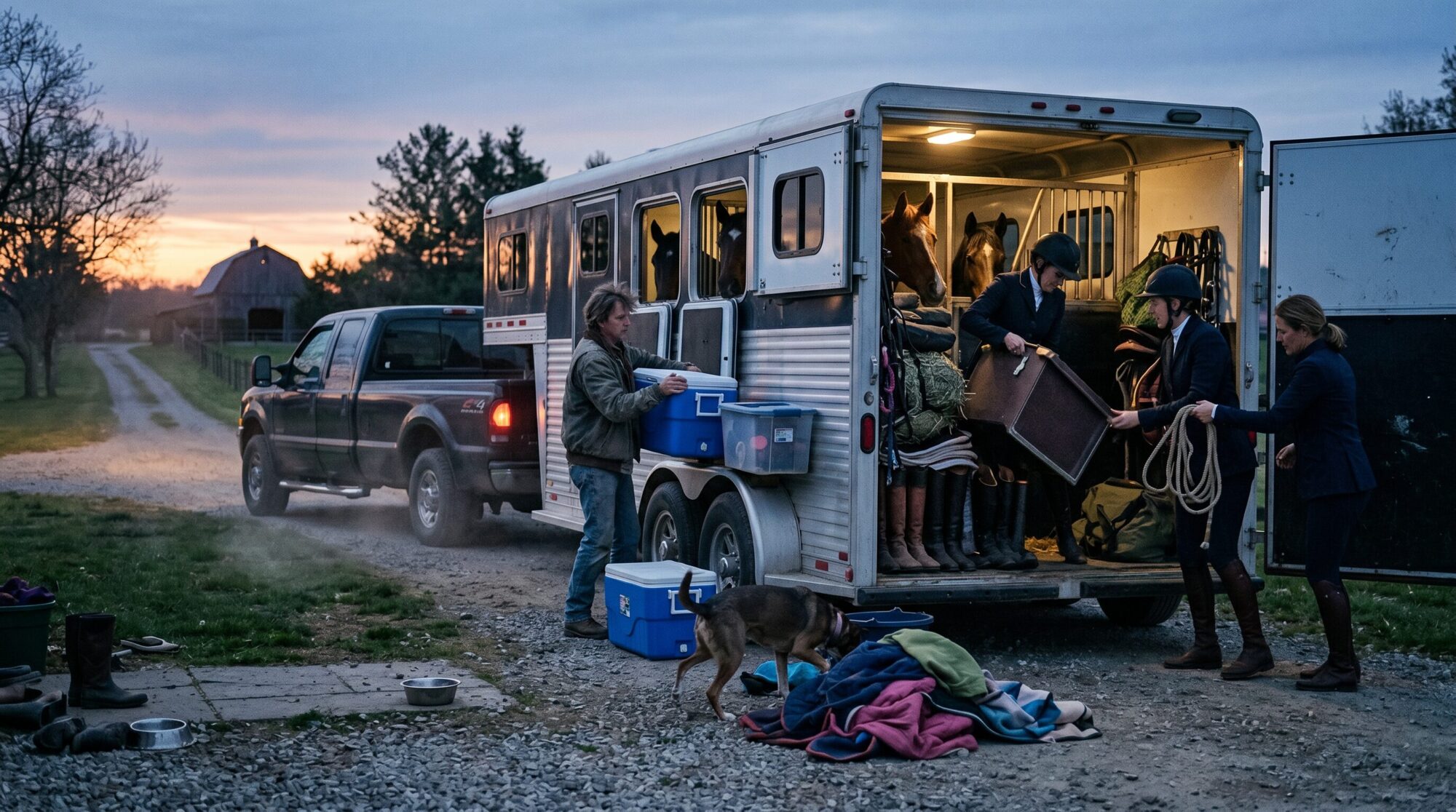
A single weekend at a rated show can easily cost as much as an entire month of board. You have to pay the show organization for stall rentals, office fees, and class entries. Then you have to pay your trainer a “day fee” for coaching your child at the show. Then there is the cost of hauling the horse to the venue, which is usually calculated per mile. Oh, and you have to sleep somewhere, which means hotel rooms, plus the cost of feeding yourself and your kid overpriced concession stand food for three days.
Class Fees & Office Fees
Every time your kid enters the ring, you are paying. Typical entries run $30-$50 per class, plus mandatory medic and grounds fees.
Hauling & Stabling
Getting the horse to the show is not free. Expect to pay your trainer a hauling fee per mile, plus $150+ for a weekend stall rental.
Trainer Day Fees
Your trainer’s time at the show is billable. Day fees usually range from $50 to $100 per day, not including their hotel split.
I budget an extra $800 to $1,200 for every single away-show weekend. We try to limit it to one big show a month during the summer, but even so, it requires a massive amount of financial discipline during the off-season to make sure we can afford those entry fees when June rolls around.
The Emotional Side of Budgeting for a Horse-Crazy Kid
This is the part of the budget confession that is harder to put into a spreadsheet. The emotional weight of spending this much money on a hobby is real. There is guilt involved. I drive a ten-year-old car with a weird rattle in the dashboard so my daughter can ride in a saddle that costs more than my first vehicle. My husband and I skip fancy vacations and opt for staycations because our “travel budget” goes directly to diesel fuel and show entries.
Sometimes, when I am paying the monthly barn invoice, I stare at the total and wonder if we are absolutely out of our minds. We could be funding a college savings account, remodeling the kitchen, or actually going out to dinner without checking the bank app first. The financial sacrifice is enormous, and if you are a barn mom feeling the strain, please know that you are not the only one privately hyperventilating over the cost of custom riding boots.
We give up a lot to make this happen. But it is vital to remember the “why” behind the numbers. We are not just buying lessons; we are buying resilience. We are buying work ethic. We are buying the confidence that comes from a ninety-pound child learning how to respectfully command a thousand-pound animal.
Final Thoughts: Is It Actually Worth It?
Every time I see my daughter brush the dirt off her breeches after a bad fall, wipe her tears, and march right back over to get back in the saddle, I know the answer. When I watch her spend her Friday nights cleaning tack instead of staring at a smartphone screen, the sting of the farrier bill fades just a little bit.
Yes, the budget is terrifying. Yes, the monthly spend is enough to make a financial advisor weep openly. But the person my daughter is becoming because of her time in the barn is entirely priceless. So, we budget, we sacrifice, we buy the used coats, and we keep showing up.
To all the barn moms out there working extra shifts, skipping their own manicures, and calculating exactly how many bags of shavings they can squeeze into the hatchback: I see you. You are doing an amazing job. Just do not let your husband see the receipt for the new fly sheet.
If you’re looking for ways to offset some of these numbers, here’s how I’ve been building extra income as a barn mom. And for the community that makes the spending feel worth it, read about why the barn becomes your second family.
Navigating the Barn Mom Life Together
Feeling overwhelmed by the costs, the drama, and the endless dirt? You are exactly where you need to be. Join the That Barn Mom community for more honest stories, budget-saving hacks, and emotional support.