Retiring a horse is hard. There’s really no other way to say it. This is the horse who carried your kid around their first show, or taught you to sit the trot, or simply met you at the gate every single day — and now it’s time to decide what the rest of their life looks like.
For me, one thing would matter more than almost anything else: I’d want a place close to home, so I could go see them. A retired horse isn’t a horse you’re done with. They’re family who’ve earned an easier chapter, and you still want to be part of it.
If you’re facing this decision — or you can see it coming in the next few years — here’s how to think it through.
Signs It Might Be Time to Retire Your Horse
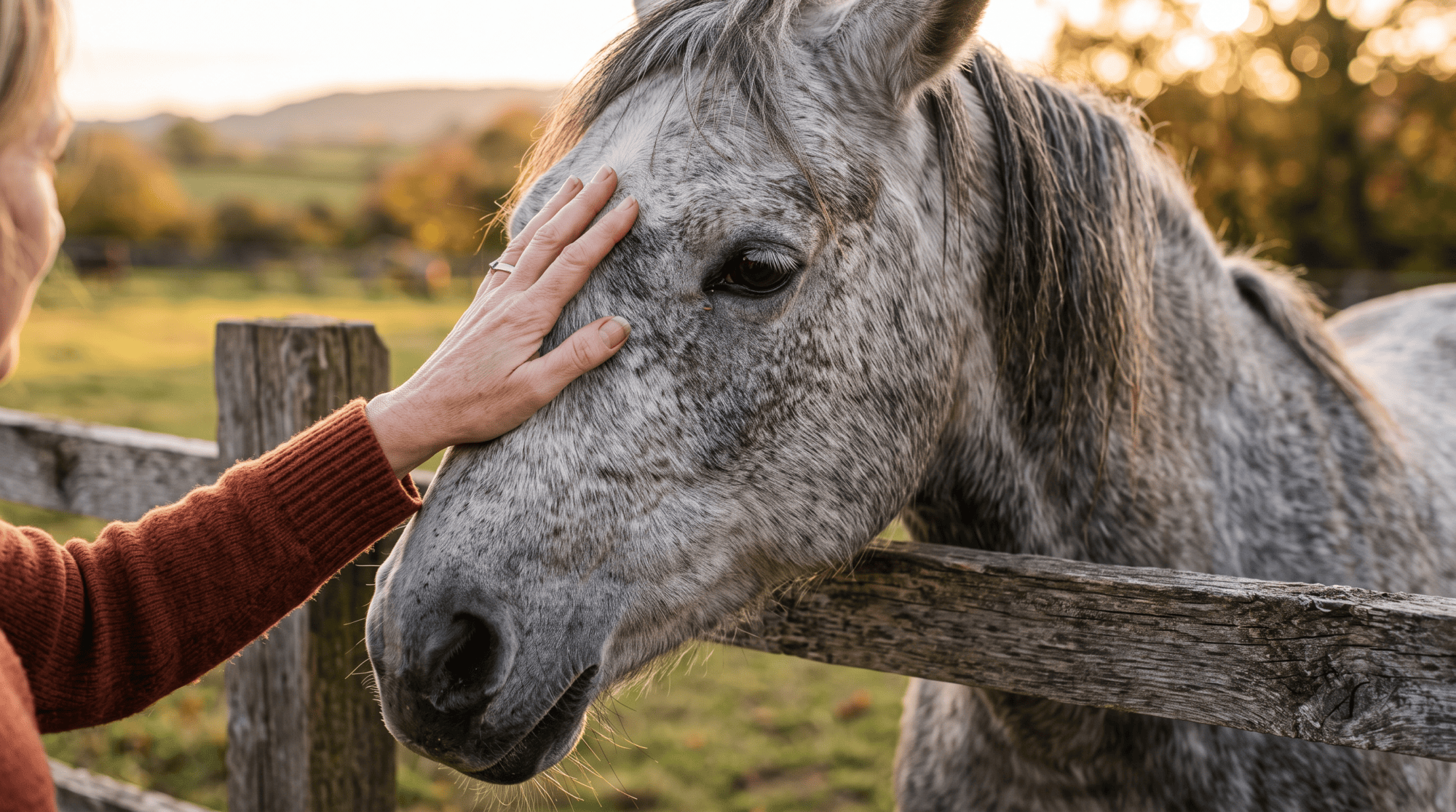
Every horse ages differently, and there’s no magic birthday when retirement begins. Some horses stay happily in light work well into their senior years, while others need to slow down sooner. A few signs it may be time for a conversation with your vet:
- Stiffness or soreness that doesn’t work out as your horse warms up, or that’s getting worse over time
- Reluctance to do the job they used to enjoy — refusing, pinning ears, or simply not wanting to go forward
- Trouble holding weight even with good feed
- Longer recovery after rides, shows, or lessons
- Your vet or farrier recommending a lighter workload or full retirement
Your Horse Retirement Options
There isn’t one right answer. The best retirement plan is the one that fits your horse’s health, your family’s situation, and how involved you want to stay.
1. Retire at Home
If you have your own property, keeping a retired horse at home means you see them every day and control their care completely. Just remember that a retired horse still needs daily care, hoof care, dental care, and — very importantly — a friend. More on that below.
2. Retire at Your Current Barn
Many boarding barns offer pasture board or a quieter retirement setup. Your horse stays somewhere familiar, with people who already know their quirks, and you can keep visiting on your normal barn schedule.
3. A Dedicated Retirement Farm
Retirement farms specialize in older horses — big pastures, herd turnout, and staff used to senior care. The right one can be a wonderful place for a horse to spend their later years. This is where I’d look hard for a farm close to home, because the ability to drop by and see your horse (and see how they’re doing) is worth so much.
4. A Home as a Companion Horse
This is an option a lot of people don’t think about. Horses are herd animals, and most of the time they love company — which means there are often people looking for an older, calm horse to keep a younger horse company, or to share a pasture with other animals. A steady senior can be exactly what another family needs. If you go this route, a written agreement matters: spell out care standards, vet and farrier expectations, whether you can visit, and what happens if the arrangement stops working.
Why Company Matters So Much for Older Horses
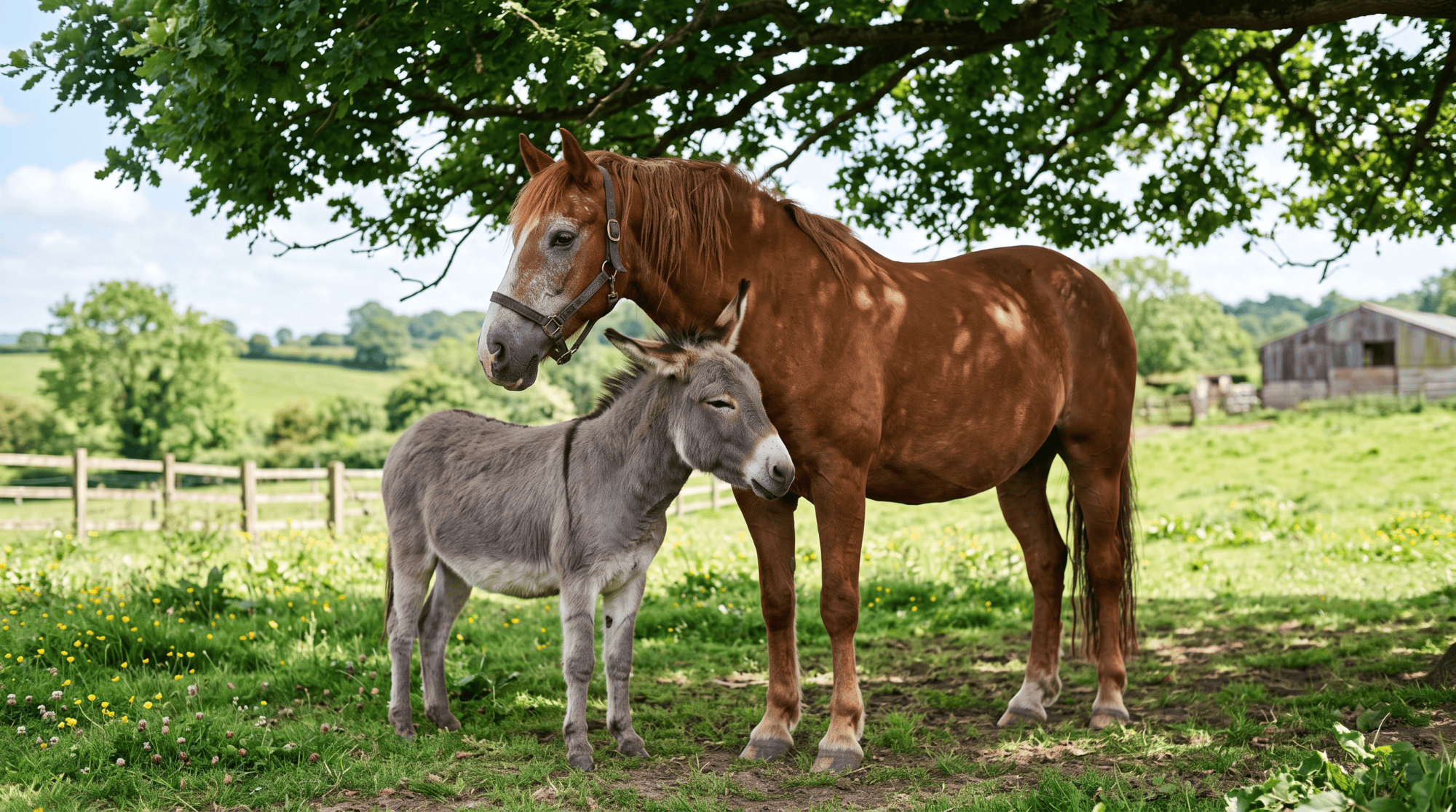
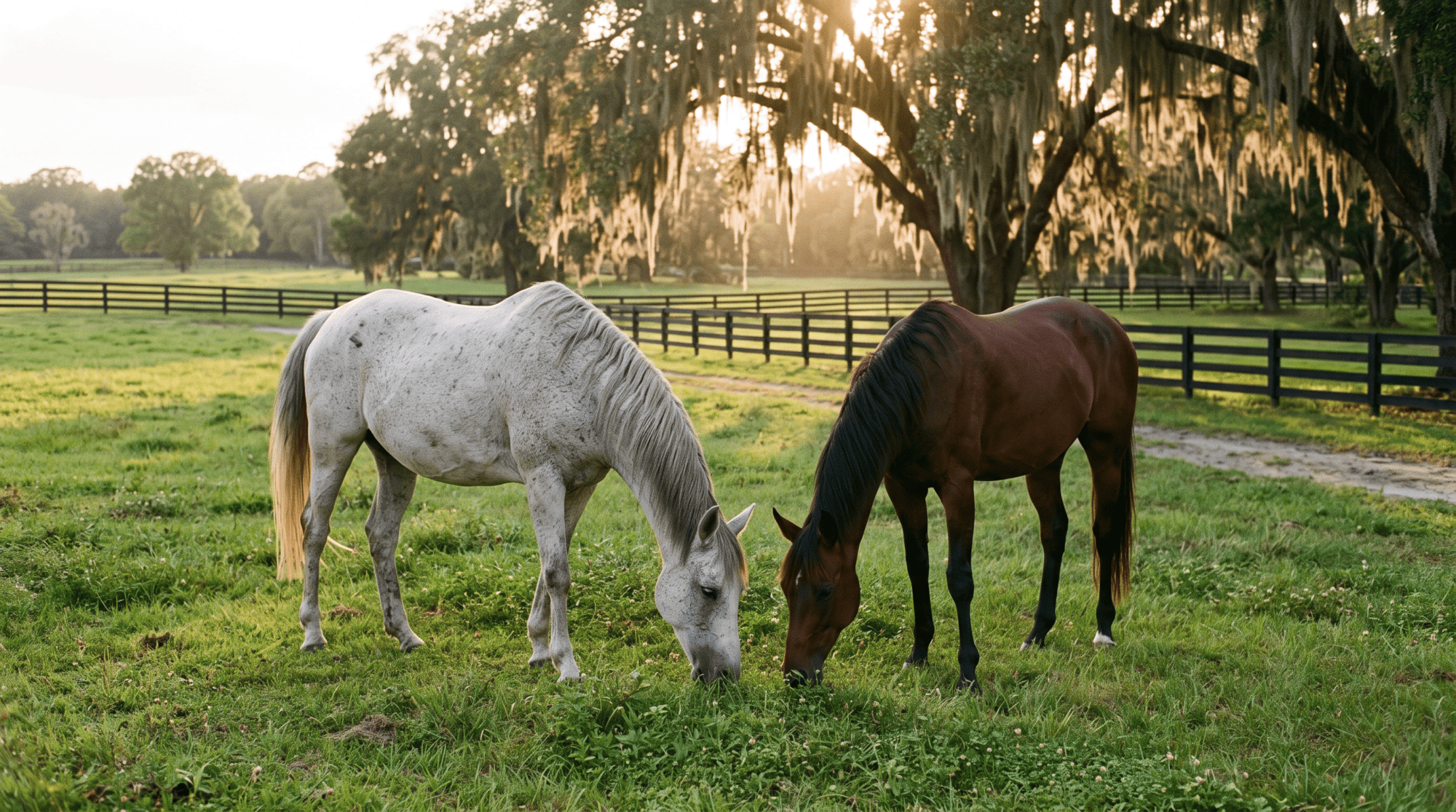
Horses are herd animals. For most of them, being alone is stressful — even for a laid-back senior who’s seen it all. A retired horse with a buddy tends to be calmer, move around the pasture more, and simply seem happier.
That buddy doesn’t always have to be another horse. Some horses bond with a donkey, a mini, or even goats in the same pasture. What matters is that your horse isn’t spending their retirement standing at the fence line looking for someone.
When you’re choosing a retirement setup, pay attention to how horses are grouped. Many older horses do best turned out with other gentle, quieter horses rather than in a pasture with young, rowdy ones who might push them off hay or run them around.
Senior Horse Care Basics
A retired horse isn’t a low-maintenance horse. Older horses often need a little extra attention to stay comfortable:
- Dental care: Teeth wear down with age, which can make chewing hay harder. Regular dental exams help, and some seniors do better on soaked feeds.
- Weight checks: Watch body condition closely, especially heading into winter.
- Regular vet visits: Ask your vet about age-related conditions like PPID (Cushing’s disease) and how to keep arthritis comfortable.
- Hoof care: Retired horses still need the farrier on a regular schedule.
- Shelter and weather protection: Seniors can have a harder time in extreme heat or cold.
Questions to Ask Before Choosing a Retirement Farm
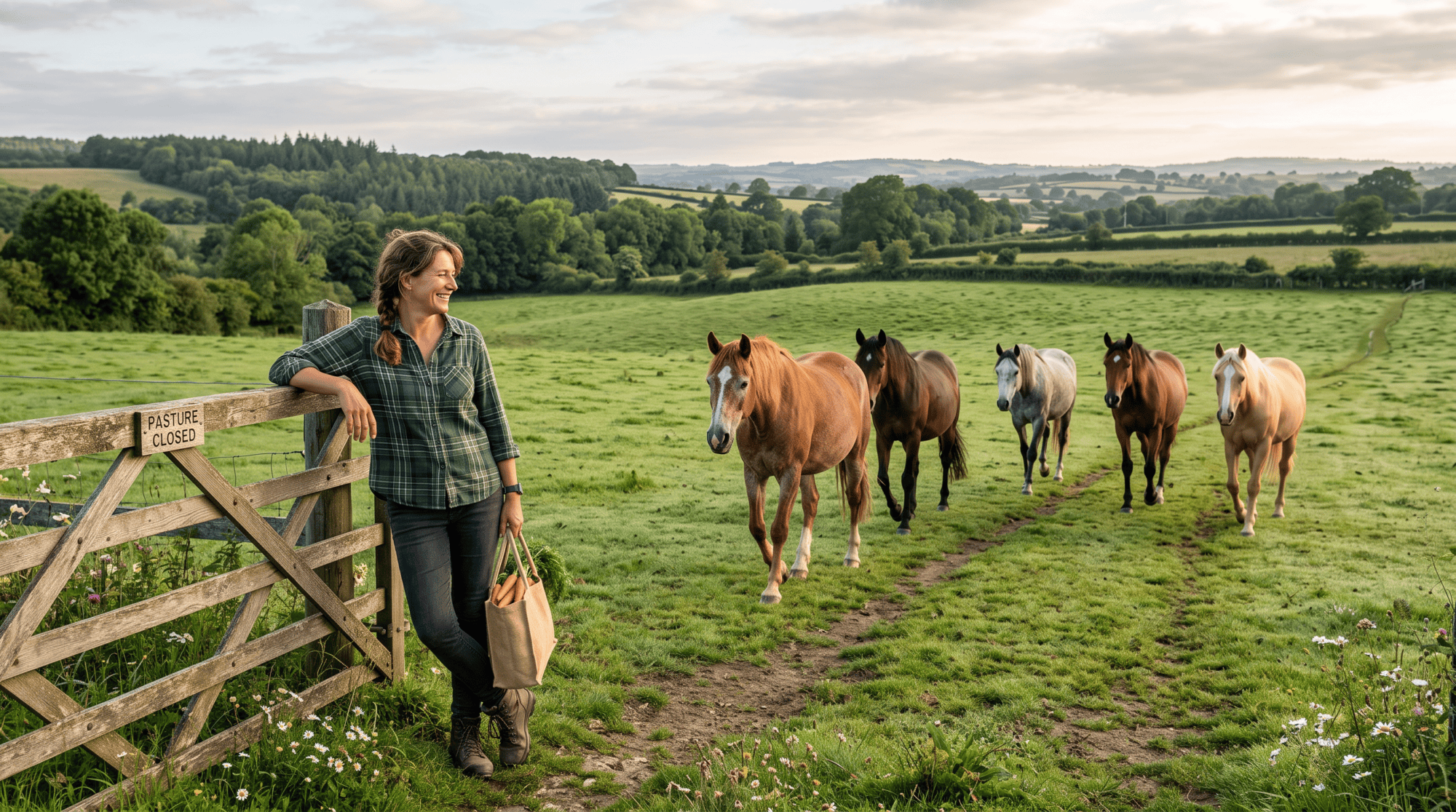
- ☐ How far is it from home — and how often can I visit?
- ☐ Who checks on the horses every day?
- ☐ How are horses grouped in turnout?
- ☐ How are older horses fed — and can they be fed separately if needed?
- ☐ What shelter is available in bad weather?
- ☐ Which vet and farrier do you use, and how quickly can a vet get out in an emergency?
- ☐ How will you keep me updated on my horse?
- ☐ How do you handle end-of-life decisions, and will I be part of them?
- ☐ Can I talk to other owners who retire horses here?
If you’re weighing retirement against rehoming a horse who can still work, my post on the guilt nobody warns you about when selling a horse might help. And if your horse is getting older, it’s a good time to review coverage too — here’s what every barn mom should know about horse insurance.
The Bottom Line
Retiring a horse is one of the hardest, most loving decisions you’ll make as a horse owner. Watch for the signs, talk with your vet, and choose a setup that gives your horse good care and good company — ideally somewhere close enough that you can still show up with a bag of carrots.
And when the time eventually comes to say goodbye, please don’t carry it alone. I wrote about the grief of losing a horse for every barn mom who’s been there.
Have you retired a horse? Where did they spend their golden years? I’d love to hear your story in the comments.