Hey fellow barn moms! Cynthia here. If you’re anything like me, you probably spend more time obsessing over your horse’s grain buckets and hay nets than you do planning your own family’s dinners. We all want our four-legged kids feeling their absolute best, but sometimes it feels like navigating the feed room requires an advanced degree in equine nutrition.
You find yourself staring at your horse in the cross-ties wondering: Are they getting enough vitamins from their hay? Why is that winter coat looking so dull this year? Is it time to finally add a joint supplement for my aging gelding who seems a little stiff on chilly mornings?
Getting the diet right is one of the biggest responsibilities we take on as horse owners. While good quality forage and a balanced grain are the foundation, sometimes our horses just need a little extra help. Let’s sit down and chat through the wide world of horse supplements, figure out what actually works, and discuss how to support our horses through all stages of their lives.
The Reality of Modern Horse Diets
Back in the day, horses roamed for miles, grazing on dozens of different types of grasses, herbs, and weeds. Today, our horses are usually kept in pastures with just one or two types of grass, or they rely entirely on baled hay. Depending on where you live, your soil might be completely wiped out of essential trace minerals like selenium or copper.
Beyond basic nutrition gaps, our horses also deal with the stress of our modern riding schedules. Traveling to shows, dealing with changing weather, intensive training, and simply growing older all change what a horse’s body demands. That’s exactly where targeted supplements swoop in to save the day.
Joint Support: Keeping Them Comfortable and Moving
There is nothing quite as heartbreaking as watching a senior horse—a horse who has given you their whole heart—start to look stiff and uncomfortable walking out of their stall. But joint wear and tear isn’t just an old-horse problem. Younger horses competing in jumping, barrel racing, or dressage put a tremendous amount of stress on their hocks, stifles, and fetlocks.
When I’m looking at joint support, I want to see ingredients that actually do the heavy lifting to maintain that cartilage and joint fluid.
Glucosamine
Think of this as the building block for cartilage. It helps the body repair and maintain the cushion between the bones.
Chondroitin
This works hand-in-hand with glucosamine to protect existing cartilage from breaking down too quickly.
MSM
A fantastic, naturally occurring sulfur compound that helps manage inflammation and ease daily stiffness.
Adding a solid joint supplement to your daily feed routine is like putting money into a retirement account for your horse’s mobility. It pays off immensely over time.
Hoof Care: Because No Hoof Really Means No Horse
We’ve all heard the old saying, and boy, is it true. If you’ve ever dealt with a horse who constantly throws shoes in the muddy spring pastures, or one whose hooves chip and crack the second the summer ground gets hard, you know the frustration. Your farrier can only do so much from the outside; the real strength has to grow from the inside out.
Hooves grow agonizingly slowly—it can take a full year for a horse to grow a completely new hoof wall from the coronet band to the ground. That means if you start a hoof supplement today, you’ll start seeing the tighter, healthier new growth at the top in a few months, but the full result takes time. Patience is your best friend here.
When shopping for hoof health, biotin is the star of the show. It’s a B-vitamin that is famously wonderful for boosting horn growth. But don’t stop there. The best formulas will also include methionine (an amino acid that builds the structural proteins of the hoof) along with balanced zinc and copper. I’ve seen horses go from having crumbly, shelly feet to rock-crushing hooves just by finding the right nutritional balance.
Digestive Health: Settling the Picky Eaters
Horses have incredibly sensitive digestive systems. A sudden drop in temperature, a bumpy trailer ride, a new batch of hay, or even just the atmosphere at a busy showgrounds can turn a normally happy horse into an anxious, girthy, picky eater.
Gut health is really the foundation of everything else. If their stomach and hindgut aren’t functioning happily, they won’t absorb the nutrients from all that expensive grain and hay you’re buying. Giving them a daily digestive supplement, especially one loaded with prebiotics and probiotics, makes a world of difference.
- Prebiotics: Think of these as the “food” that nourishes the good bacteria already living in your horse’s hindgut.
- Probiotics: These introduce fresh, live, beneficial bacteria to help balance out the microbiome, especially after stressful events or a course of antibiotics.
When my horses are going off their feed, or if I notice their manure getting a little loose during a weather change, a good digestive buffer and probiotic blend is the first thing I reach for to get their tummy settled again.
Weight Management: Hard Keepers and Easy Keepers
Oh, the endless battle of the equine waistline! If you own multiple horses, you probably have one of each: the “hard keeper” Thoroughbred who drops weight the second the wind blows, and the “easy keeper” pony who gets fat just looking at a blade of green grass.
For the hard keepers, trying to shove more and more grain into their buckets isn’t always the safest answer, as it can lead to hot behavior or digestive upset. Instead, I love using high-fat supplements. Ingredients like stabilized rice bran, flaxseed, or a pelleted fat supplement give them safe, cool calories that build topline and cover ribs without making them act like kites on the end of a lead rope.
On the flip side, managing overweight horses requires ensuring they get their daily vitamins without the extra calories. A good ration balancer or a comprehensive vitamin/mineral pellet is perfect here. It lets you severely restrict their grain intake while resting easy knowing their nutritional needs are still fully met.
Coat Conditioning: Getting That Show-Ring Gleam
We all love the look of a shiny, dappled coat. While elbow grease and a good curry comb are part of the equation, a truly blinding shine comes from dietary fats. If your horse has a dull, dusty-looking coat, dry skin, or a brittle mane and tail, they are practically begging for some omega fatty acids.
Omega-3s, typically found in flaxseed oil or fish oil blends, are absolute magic for the skin and coat. Not only do they bring out a beautiful, deep color and a slick shine, but omega-3s are also natural anti-inflammatories, meaning they offer a subtle bonus boost to the immune system and joints while making your horse look like a million bucks.
Calming Supplements: Taking the Edge Off
We all know that one horse who completely loses their mind when the wind blows the wrong direction, or the gelding who turns into a bundle of nervous, jigging energy the second you trailer off the property.
Before you get frustrated, consider if their diet might be missing something. Magnesium is widely known as the “relaxation mineral.” A horse that is deficient in magnesium will often be jumpy, tight-muscled, and overly reactive. Adding a magnesium supplement can gently soothe the nervous system and relax those tense muscles without dulling their personality.
L-tryptophan is another common ingredient you’ll see in calming pastes and daily pellets. It’s an amino acid that helps the brain produce serotonin, the hormone that brings on feelings of calm and happiness. It’s a wonderful tool to keep in your tack trunk for managing spooky or easily overwhelmed horses.
A Quick Note on Performance and Immune Health
If you have a horse in heavy work—whether that’s hitting the rodeo trail, running cross-country, or doing intense ranch work—their bodies endure a lot of oxidative stress. Working muscles create free radicals, which can lead to fatigue and soreness.
To help them bounce back faster, I always look for supplements with strong antioxidants, specifically Vitamin E and Selenium. (Just remember that Selenium is easy to overdose depending on your local soil, so definitely test your hay or check with your vet before adding lots of it!) When their immune system is supported, they recover quicker from hard workouts and are much better equipped to fight off whatever barn cough is making the rounds this season.
Always Check With Your Vet First
I can’t wrap up a chat about nutrition without this friendly reminder: Before you go out and buy every tub of powder in the feed store, have a quick chat with your equine veterinarian.
Over-supplementing can sometimes be just as harmful as under-supplementing, as certain minerals can block the absorption of others if they get out of balance. Your vet knows your horse’s specific medical history, body condition, and local area risks. They can help you look at your current grain and hay, identify exactly what’s missing, and help you spend your supplement budget on the things that will actually make a difference for your specific horse.
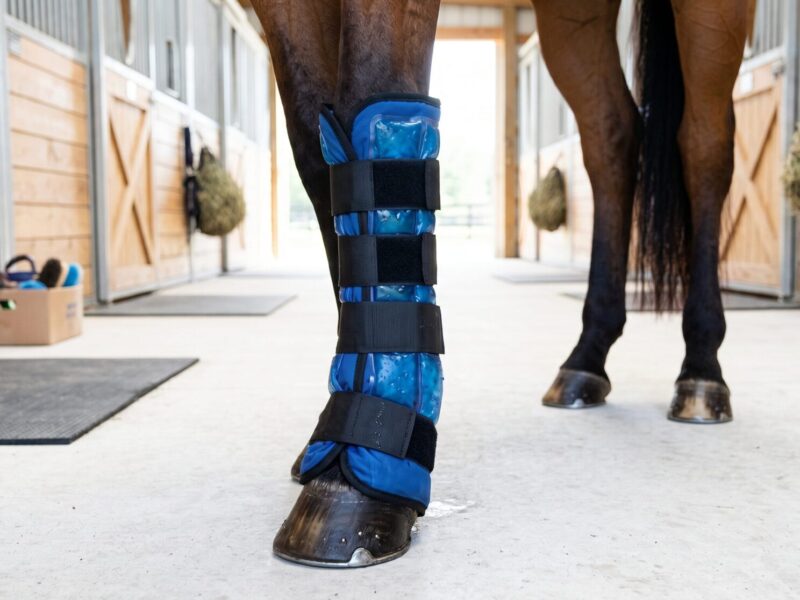
If your horse is recovering from an injury or just needs extra TLC, check out my recovery and therapy product picks too.
Ready to Upgrade Your Feed Room?
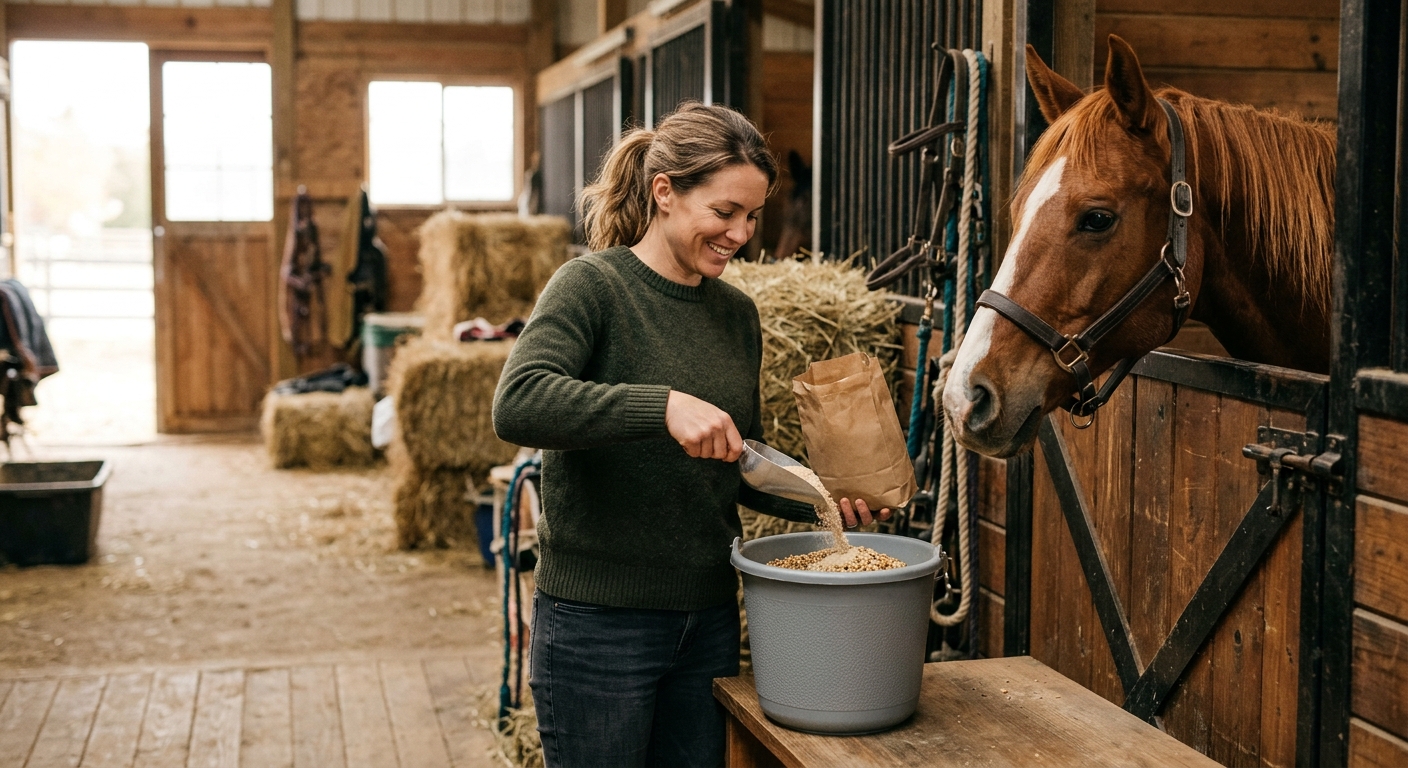
I’ve spent years testing out different products to find what actually works for my herd. Skip the guesswork and browse my favorite, tried-and-true equine supplements.
At the end of the day, feeding our horses is an act of love. Whether you’re mixing up a complex slurry of joint powder, probiotics, and flaxseed for a retired senior, or just tossing a handful of ration balancer to a chubby pony, knowing you are giving them exactly what they need brings so much peace of mind.
I’d love to hear what supplements have worked miracles in your barn! Until next time, give your horses an extra carrot for me, and happy riding!