Welcome to the Equestrian Dream
Hi friends, Cynthia here! If you have spent any time around the equine community, you have undoubtedly heard the whispers, the stories, and the absolute reverence people have when they talk about Ocala, Florida. Known officially as the “Horse Capital of the World,” this pocket of Central Florida is a place where our four-legged family members outnumber just about everything else.
As both a dedicated barn mom who has spent countless weekends hauling trailers and wiping down dusty boots, and a licensed Realtor specializing in equestrian properties right here in Marion County, I get to see this community from a very unique perspective. I experience the daily reality of raising horses in this climate, and I also guide families through the very real, often overwhelming process of relocating their lives and their herds to our beautiful county.
Whether you are an amateur rider looking for a small backyard barn or a professional competitor seeking proximity to world-class showgrounds, moving here is incredibly exciting. But it is also a major lifestyle shift. Today, I want to pull back the curtain on why Ocala truly deserves its prestigious title, how the landscape has dramatically shifted in recent years, and exactly what you need to know before you start packing your tack trunks.
Ready to Find Your Dream Farm?
As a licensed Realtor and a fellow equestrian, I would love to help you navigate the Ocala real estate market. Let’s find the perfect property for you and your horses.
More Than a Catchphrase: The Deep Roots of the Horse Capital
The title “Horse Capital of the World” isn’t just a clever marketing gimmick dreamed up by a tourism board. It is a legally trademarked status that Marion County has earned through decades of equestrian excellence. But how did a quiet, landlocked county in Central Florida become the epicenter of the equine universe?
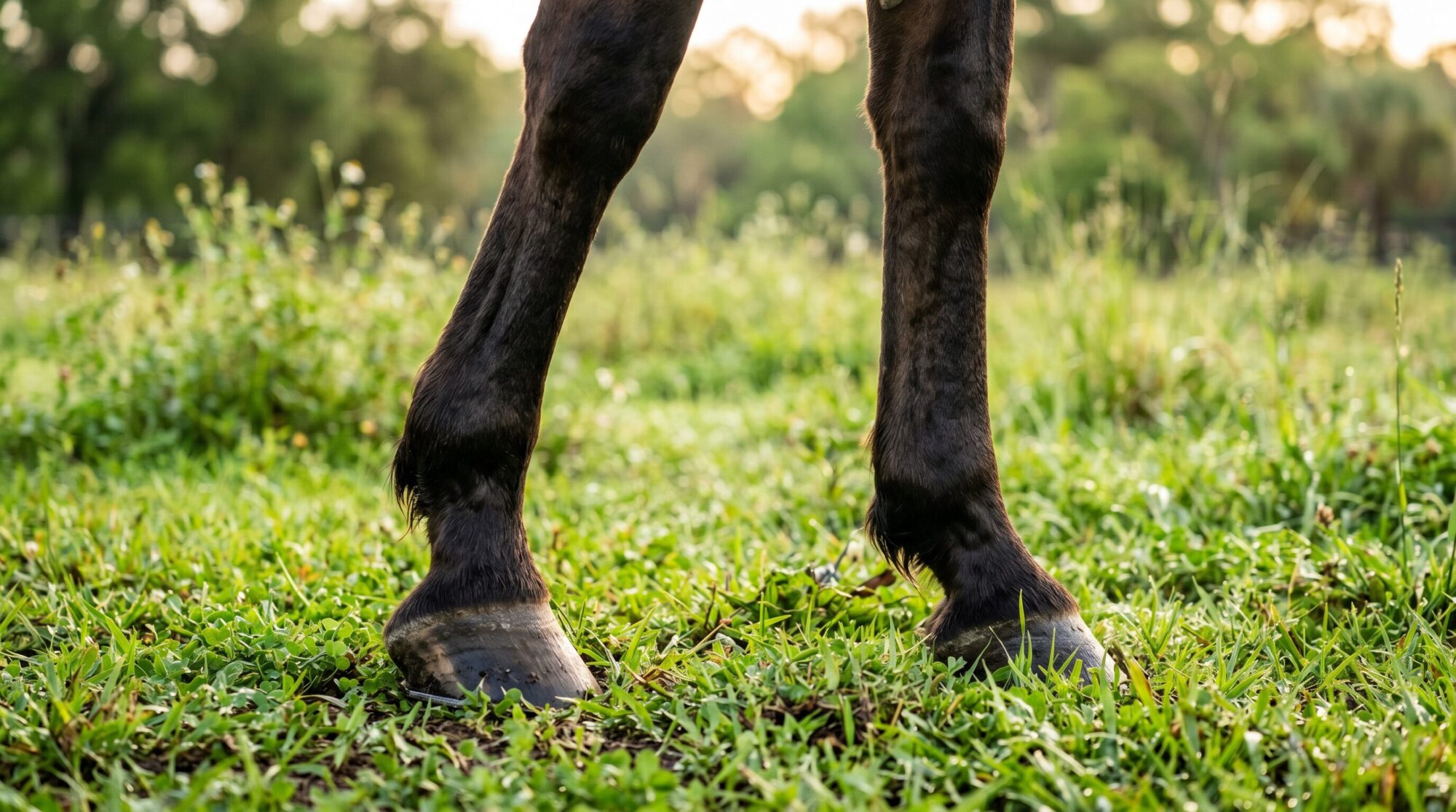
It all started back in 1943 when a visionary named Carl Rose established Rosemere Farm, the very first thoroughbred operation in the state of Florida. Rose realized something crucial about the ground beneath his feet: Ocala sits on a massive, ancient limestone shelf. Just like the famous bluegrass region of Lexington, Kentucky, this limestone-rich soil is packed with calcium. When horses graze on pastures grown in this soil, they build incredibly strong, dense bones—an essential trait for racehorses.
Since Carl Rose paved the way, the area has exploded. Today, the statistics are genuinely mind-boggling for anyone who loves horses.
1,200+ Horse Farms
Marion County boasts over 1,200 active breeding, training, and boarding facilities across its rolling hills.
Unmatched Density
We have the highest concentration of horses and ponies of any county in the entire United States.
Incredible Diversity
You will find more distinct breeds of horses represented here than anywhere else in the nation.
The WEC Effect: A Real Estate and Economic Revolution
While Ocala has been a thoroughbred and winter-circuit hunter/jumper hub for decades, the landscape fundamentally shifted with the grand opening of the World Equestrian Center (WEC). To call WEC a “showground” is like calling a mansion a “house.” It is a sprawling, luxurious, multi-disciplinary facility that has completely transformed the local economy and the equestrian real estate market.
Before WEC, Ocala was heavily seasonal. The population swelled in the winter as snowbirds brought their horses down to escape the freezing northern temperatures, and then it quieted down significantly by May. WEC changed that entirely. With massive climate-controlled indoor arenas, luxurious on-site hotels, boutique shopping, and fine dining, it created a year-round destination.
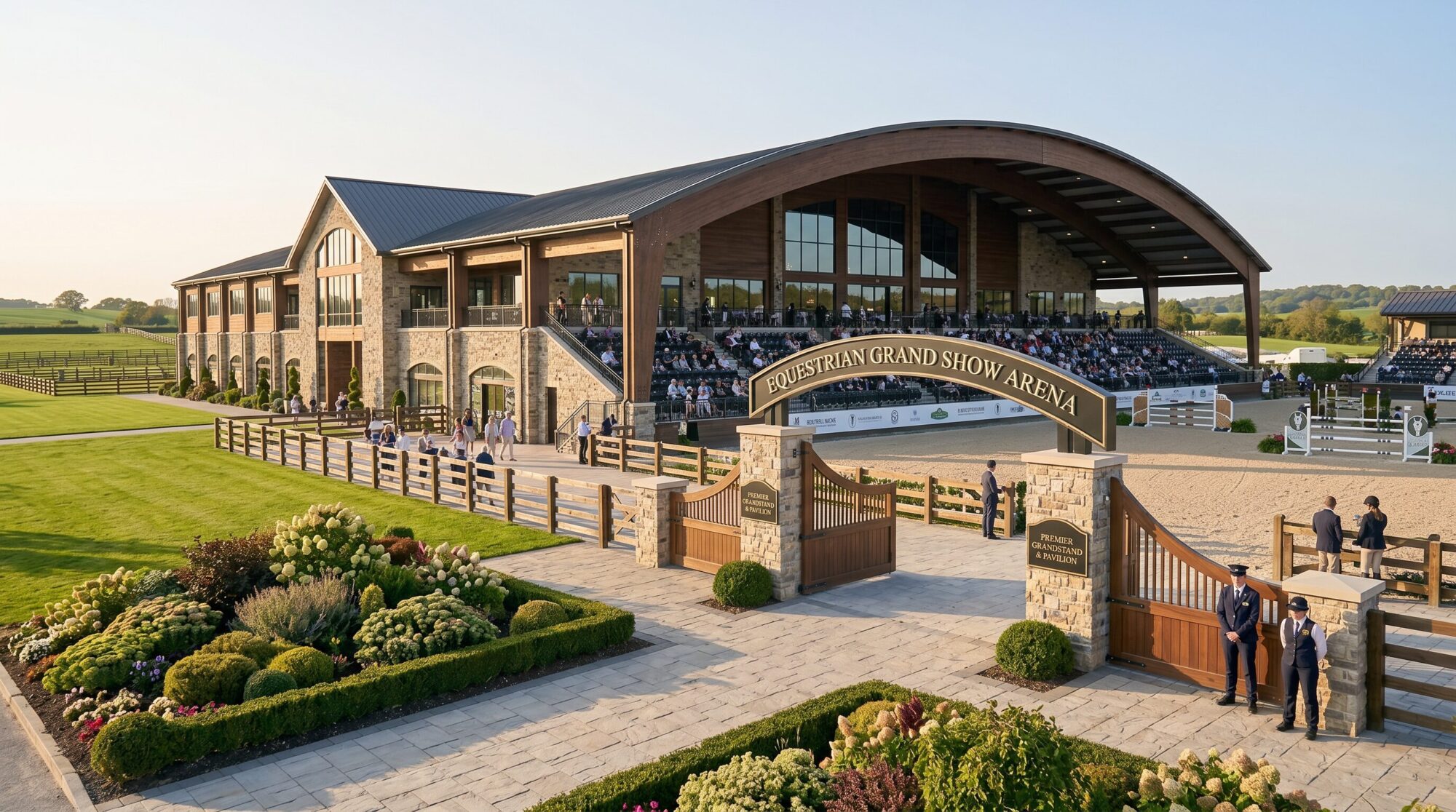
As a Realtor, I can tell you firsthand that the “WEC Effect” on property values has been nothing short of historic. Everyone wants to be within a golf-cart ride or a short trailer haul of those stunning gates. Since 2019, land prices in the immediate vicinity of WEC have roughly tripled. Farms that were once considered slightly out-of-the-way agricultural parcels in Northwest Ocala are now prime, multi-million-dollar real estate.
This growth is incredibly exciting, but it also means that buyers need to be strategic. The market moves fast, and understanding the nuances of different zip codes is more critical than ever.
Practical Barn Mom Talk: The Reality of Moving Your Horses Here
Okay, let’s take off our real estate hats for a minute and put on our barn mom boots. Moving to Florida sounds like a sun-drenched dream, but managing horses in this specific environment comes with a learning curve.
Climate, Heat, and Hurricane Season
Yes, you can ride year-round, and our winters are absolutely glorious. But you must be prepared for the Florida summer. From June through September, the heat and humidity are intense, and afternoon thunderstorms are a daily guarantee. As a barn mom, you quickly learn the rhythm of the summer: we ride at 6:30 AM, keep the horses under fans during the peak heat of the day, and turn out overnight.
You also need a property built to withstand our tropical weather. When I look at farms with clients, I’m always evaluating the barn’s structural integrity, the high ground for pasture safety during heavy rains, and the availability of a generator hookup for when the summer storms knock the power out.
The Blessing (and Curse) of Sandy Soil
If you are moving from the clay of Georgia or the deep mud of the Northeast, you will weep tears of joy over Ocala’s sandy soil. The drainage is spectacular. You can have a torrential downpour at 2 PM, and by 4 PM, your arenas and paddocks are completely rideable.
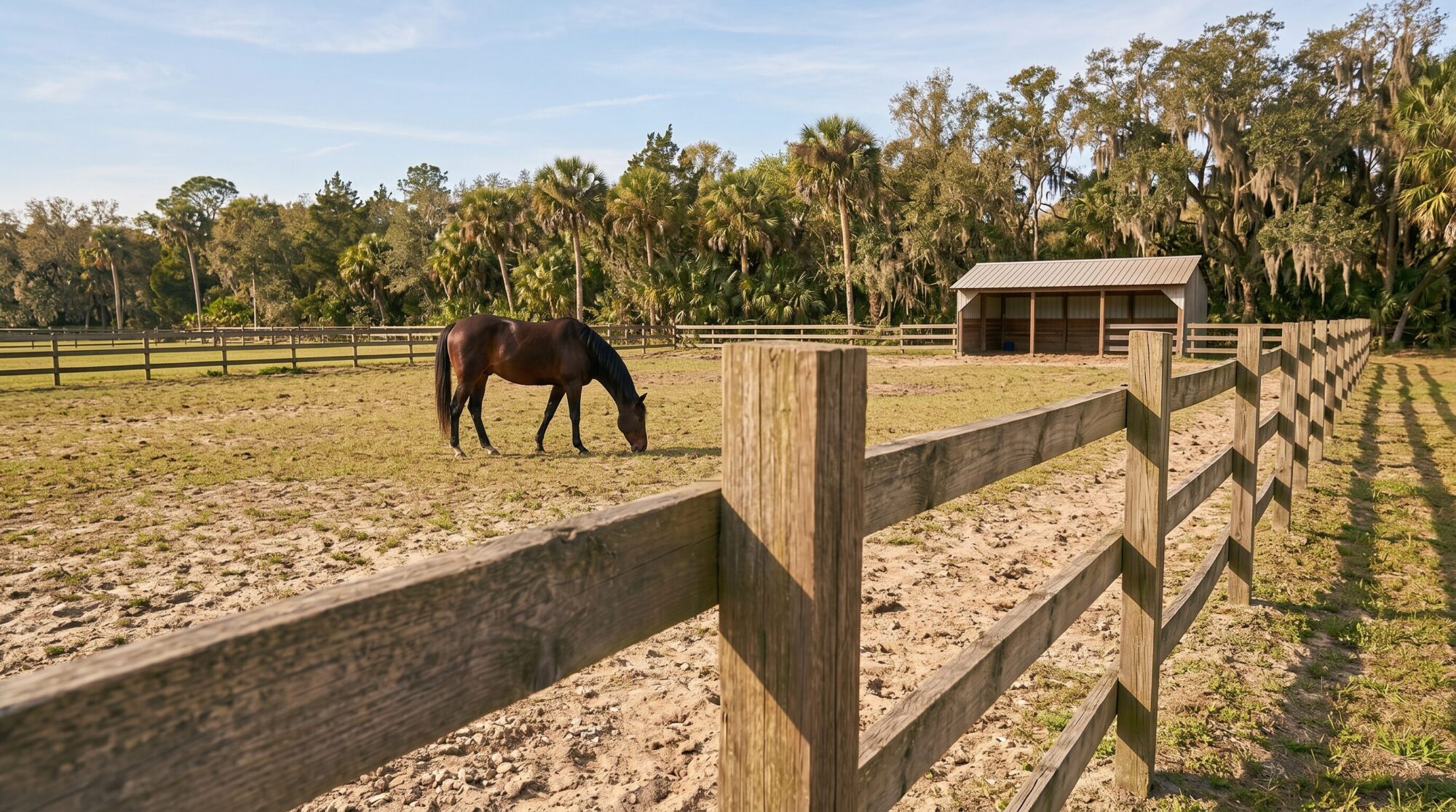
However, this sand comes with a critical health consideration for your horses: sand colic. Because the grass is often sparse in the winter and the soil is literally pure sand, horses inevitably ingest it while grazing. You will need to implement a strict sand-clearance protocol, usually involving feeding a psyllium supplement one week out of every month, and ensuring you feed hay on mats or in nets rather than directly on the ground.
World-Class Equine Infrastructure
One of the greatest comforts of living here is the infrastructure. You are never more than a few minutes away from a top-tier feed store that carries every supplement under the sun. Finding a specialized farrier, an equine chiropractor, or an incredible trainer is remarkably easy because the best in the business live right here.
Most importantly, our veterinary access is unparalleled. With an abundance of local, state-of-the-art equine hospitals and the University of Florida’s renowned large animal clinic just up the road in Gainesville, you have incredible peace of mind knowing world-class emergency care is always nearby.
Navigating Ocala Equestrian Real Estate
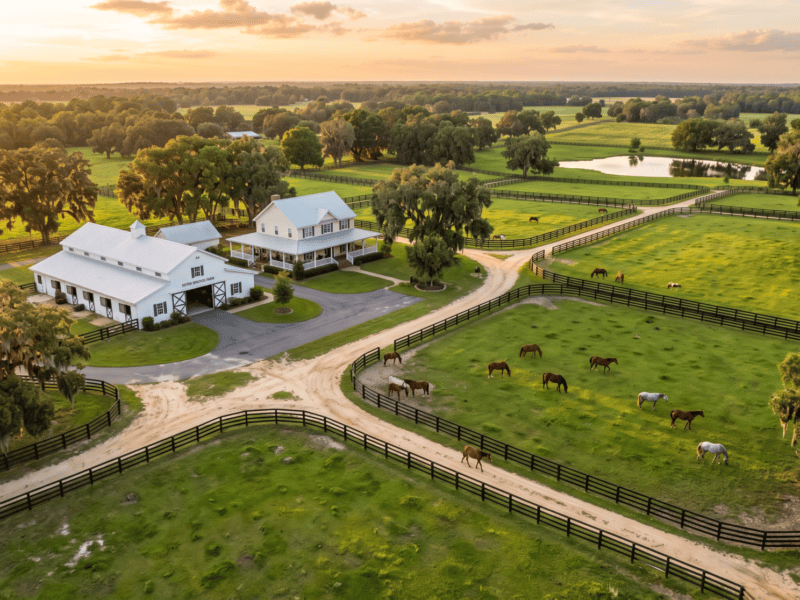
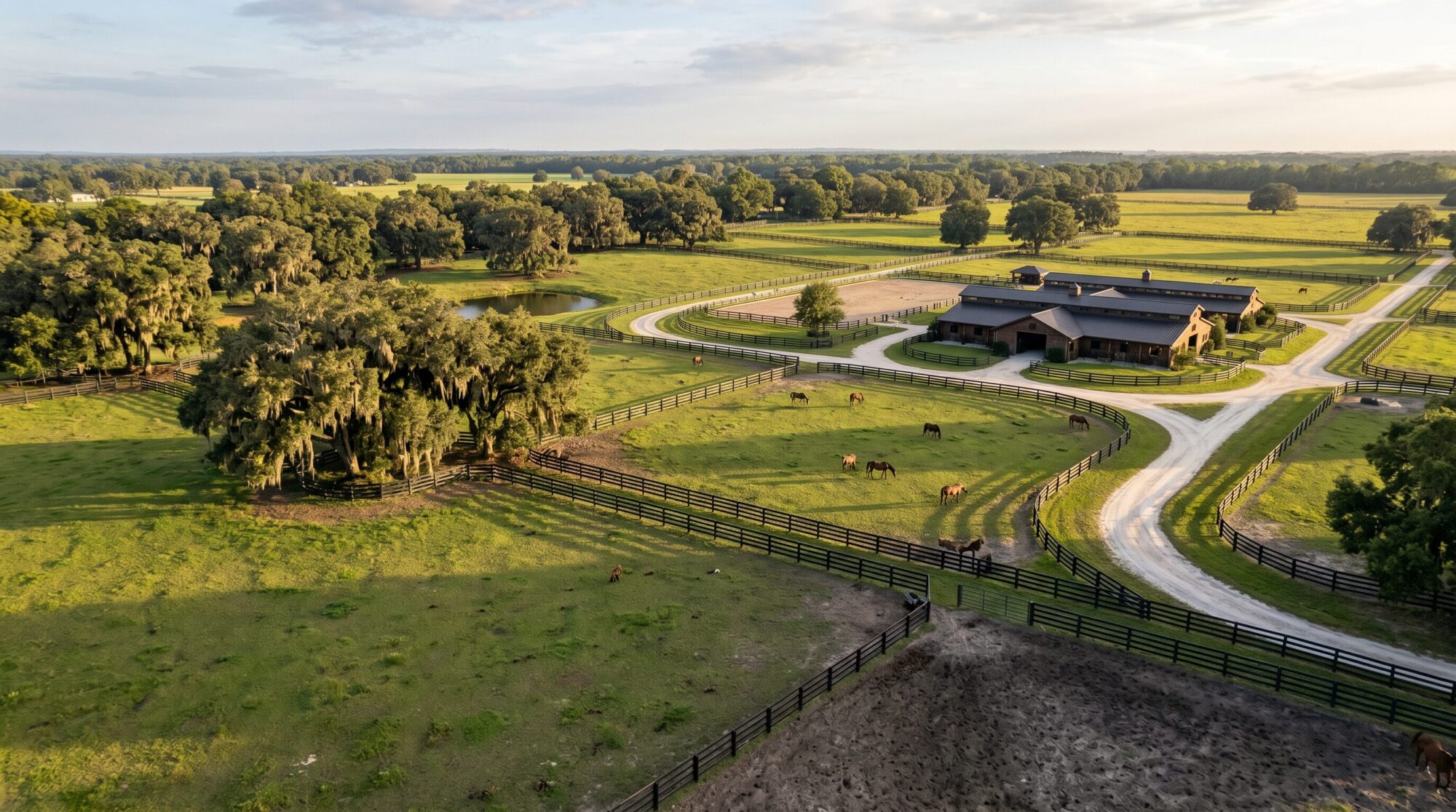
When people think of Ocala, they often picture massive, 100-acre thoroughbred facilities with miles of black four-board fencing. We certainly have plenty of those! But the beauty of this market is its diversity.
Location dictates price more than almost any other factor. If you want to be in the “Golden Corridor” (Northwest Ocala near WEC), you will pay a premium for that convenience. However, if you are willing to look just a little further out—towards Morriston, Williston, or the rolling hills of Southeast Ocala—you can often find significantly more land and larger homes for your budget.
Southeast Ocala offers stunning, ancient oak trees and a slightly quieter, more established feel. Meanwhile, the areas out toward HITS (another major showground facility) continue to develop rapidly, offering great opportunities for buyers who want modern amenities but slightly more breathing room than the immediate WEC perimeter.
Quick Reference: Choosing Your Ocala Property Type
To give you an idea of what you might encounter when we start looking at properties, here is a quick breakdown of the typical equestrian properties available in our area.
Is Ocala Right for Your Herd?
Moving to the Horse Capital of the World is an incredibly rewarding experience. There is a profound sense of belonging that comes from living in a town where the cashier at the grocery store knows what a half-pass is, and where seeing a tractor pulling a manure spreader at a stoplight is just an everyday occurrence.
If you are willing to adapt to the summer heat, embrace the sandy soil, and immerse yourself in this rich, vibrant community, there is simply nowhere else in the world quite like Marion County. It is a place where our passion for these incredible animals is woven into the very fabric of daily life.
Ready to start looking? My horse property buying checklist covers what to inspect at every showing, and Boarding vs. Buying can help you decide if now’s the right time.