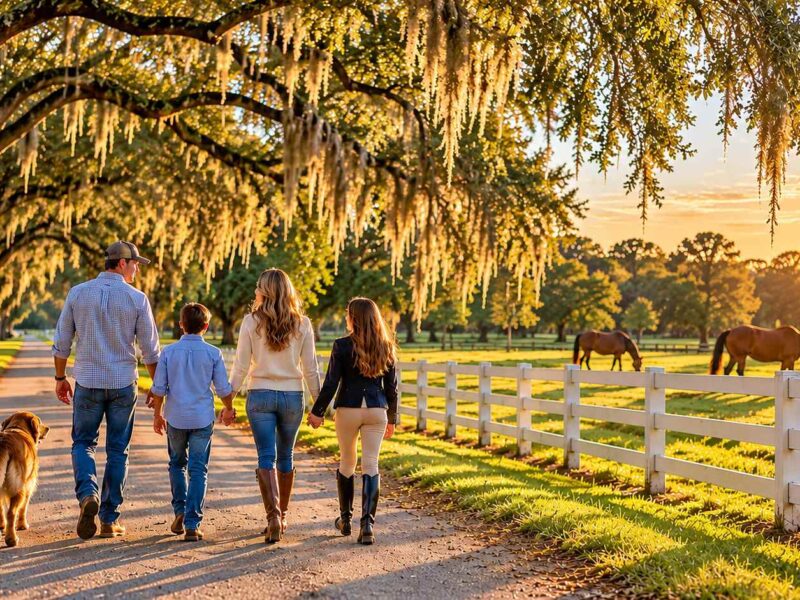
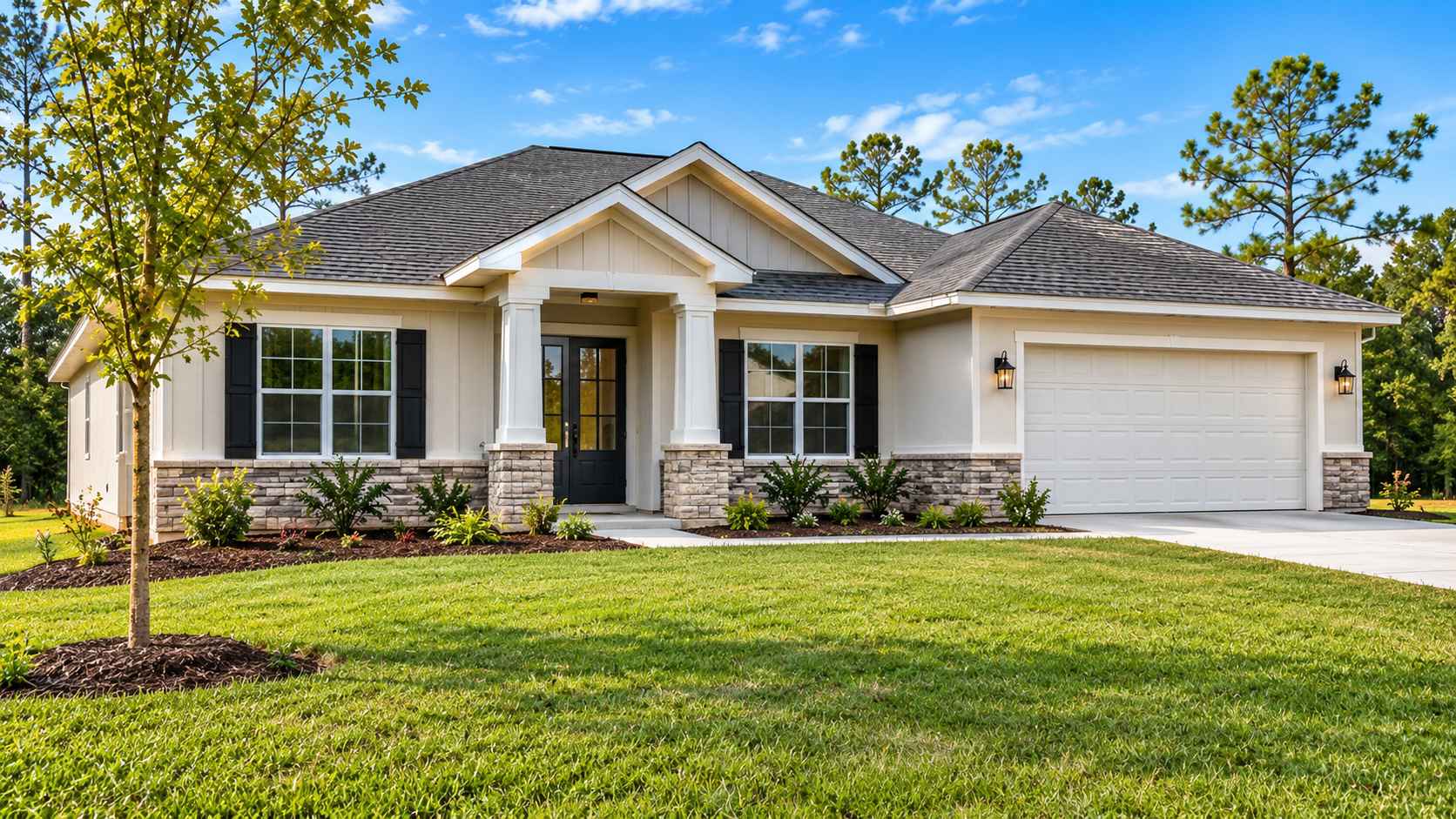
Picture this: you walk into a brand-new house and it smells like fresh paint and possibility. Nobody’s ever scuffed those floors. Then you drive ten minutes down the road and walk into a 1990s ranch home sitting under giant live oaks, with a fenced pasture out back and a barn that’s seen a few decades of Florida summers. Your heart pulls you both directions. So — should you buy new construction or an existing home?
Here’s my honest answer: neither one is automatically “better.” New construction usually wins on low maintenance, modern systems, and energy efficiency. Existing homes usually win on location, mature trees, bigger or more established lots, and the ability to negotiate. The right pick depends on your timeline, your budget cushion, and — if you’re in horse country like we are here in Marion County — whether you need land and a barn today or can wait to build them.
New Build or Existing Home? Let’s Talk It Through.
Whether it’s a family home or an equestrian property here in the Ocala area, I’ll give you an honest answer for your situation.
Why New Construction Is So Tempting
I get it. So many of us have lived through the old-house surprises — the water heater that dies the week you move in, the mystery wiring, the roof inspection that makes your stomach drop. New construction promises a clean slate, and a lot of the time it delivers.
- Everything is new. Roof, HVAC, appliances, plumbing — none of it has a history you have to worry about.
- Builder warranties. Most builders offer some kind of warranty. What it covers and for how long varies by builder, so read it carefully and ask questions before you sign.
- Modern layouts and efficiency. Open floor plans, better insulation, newer windows — in a Florida summer, that matters to your power bill and your sanity.
- You may get to choose finishes. Picking your own cabinets and flooring is a lot more fun than ripping out somebody else’s.
- Built to current code. Newer homes are built to today’s building standards, which can matter for things like wind resistance and, sometimes, insurance.
What my new-build buyers around Ocala love most is getting to pick out their own finishes, and not having to worry about updating anything after they move in. It’s yours, exactly the way you wanted it, from day one.
The Not-So-Shiny Side of Building New
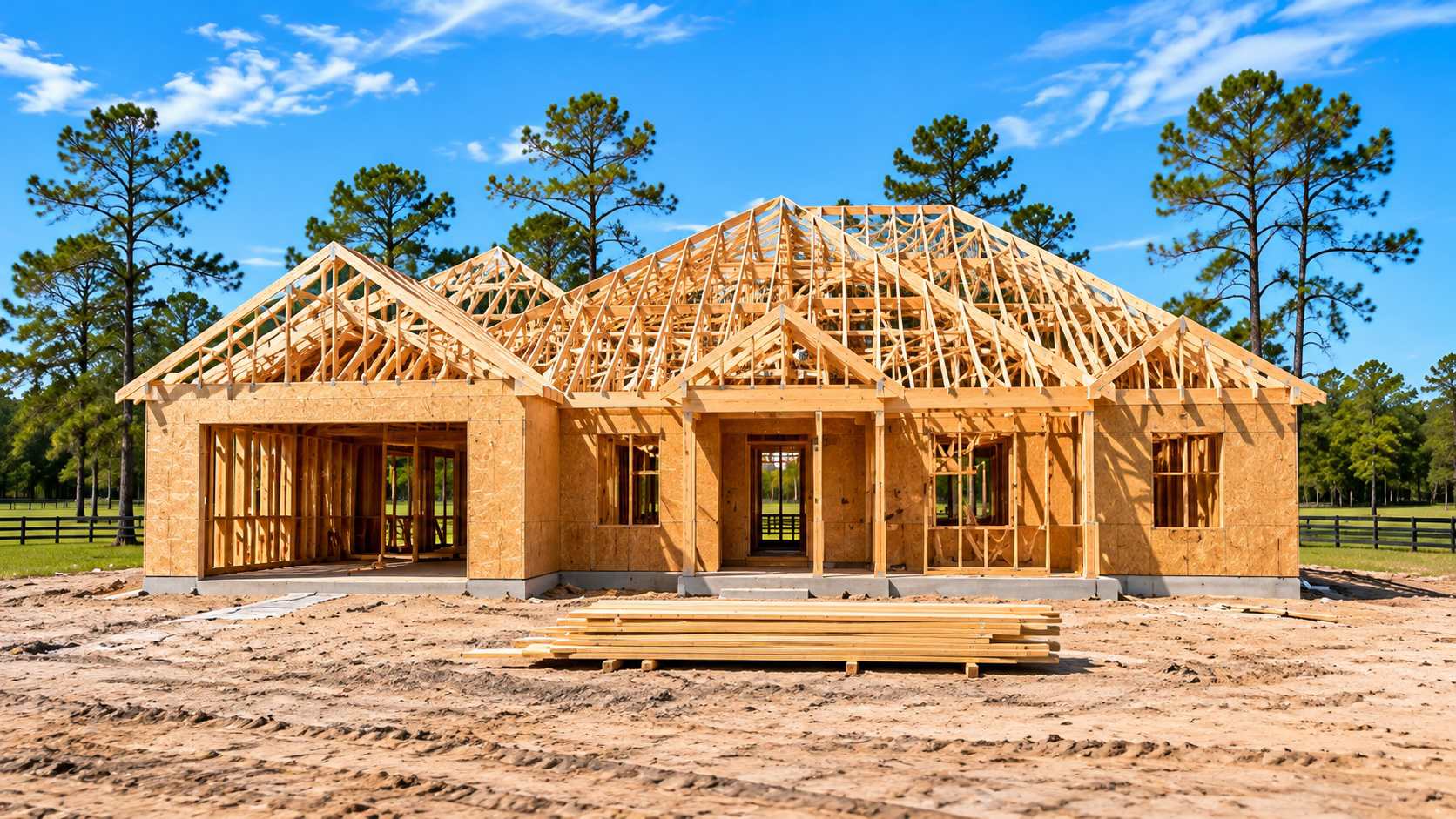
Now the part the model-home brochure doesn’t put in bold print.
- Timelines slip. Weather, materials, inspections, crews — build schedules move. If you have a lease ending or a school year starting, build in breathing room.
- The base price is rarely the final price. Upgrades add up fast. Lot premiums, window blinds, gutters, landscaping, fencing — ask exactly what’s included and get it in writing.
- Smaller, newer lots. Many new subdivisions have tighter lots and young landscaping. That baby tree will give you shade… eventually.
- HOA rules. Lots of new communities come with HOAs, and some don’t allow livestock at all. If you’re a horse family, that’s a dealbreaker you want to catch on day one.
- The builder’s agent works for the builder. The friendly person in the sales office is great, but their job is to represent the builder. You can (and should) bring your own agent — ideally before your first visit, since some builders require that on the first visit.
Why an Existing Home Might Be the Smarter Move
Older homes get a bad rap, but they bring a lot to the table — especially out here.
- Location, location, location. Existing homes often sit in established areas closer to town, schools, and the places you actually drive to every day.
- Bigger, more established lots. Mature oaks, real privacy, and sometimes acreage that newer subdivisions simply don’t offer.
- Room to negotiate. With a resale home you’re dealing with a homeowner, not a corporate price sheet. Repairs, closing costs, and price can all be on the table depending on the market.
- What you see is what you get. You can move in on closing day instead of waiting months, and you know exactly what the neighborhood looks like.
- Character. Built-ins, porches, quirky charm — some of us just love a house with a story.
The trade-off? Maintenance and updates. An inspection is your best friend here: it tells you the age and condition of the big-ticket items (roof, HVAC, water heater, septic, well) so you can budget — or negotiate — before you’re committed.
The Horse Property Twist
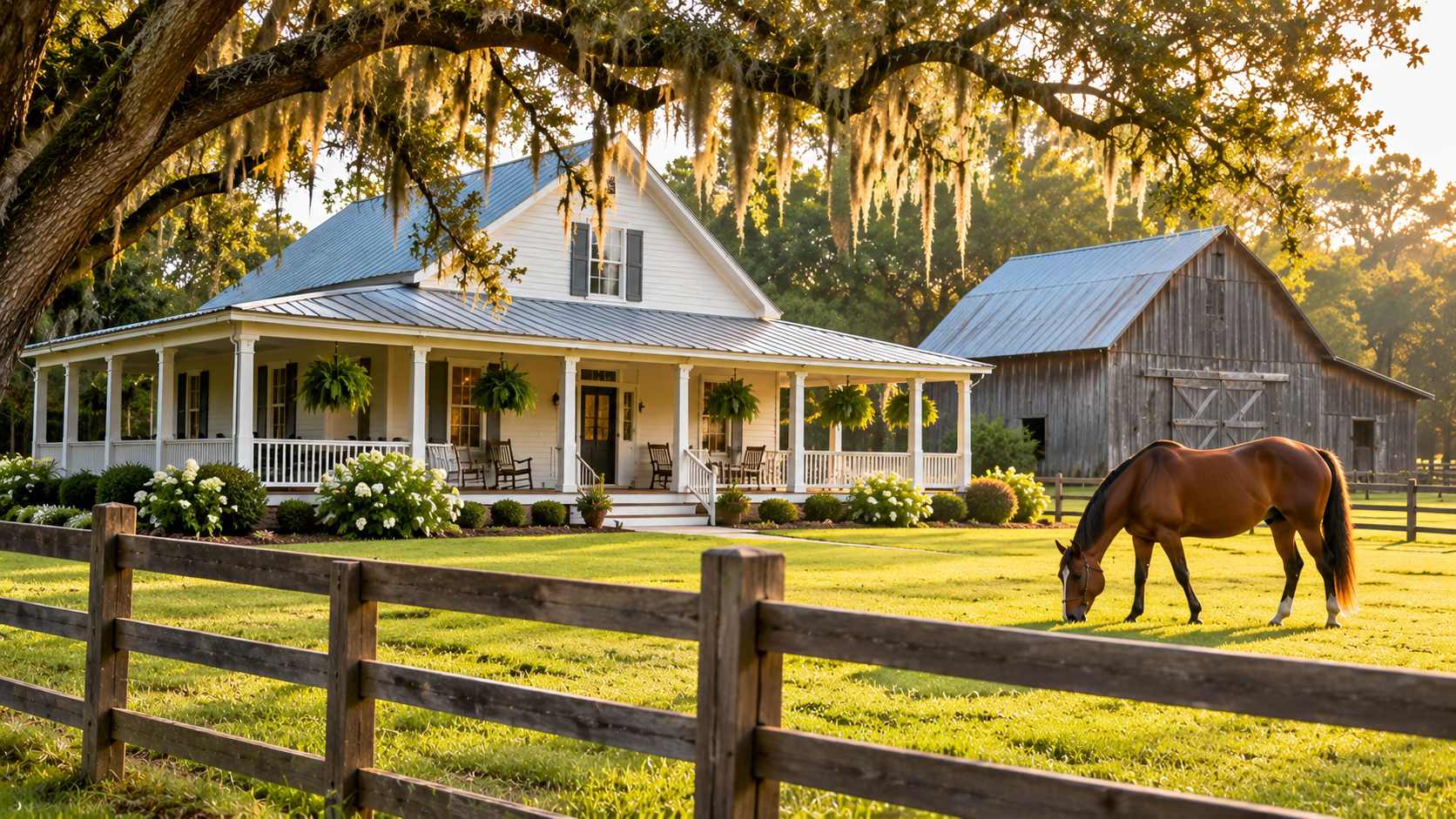
This is where it gets interesting for barn families. If you need a place for horses, the “new vs. existing” question is really two questions: the house and the horse setup.
An existing horse property might already have fencing, a barn, cross-fenced pastures, water run to the paddocks, and land that’s been cleared and maintained. Building all of that from scratch takes time and money, and it’s easy to underestimate. On the flip side, an older barn may need real work, and the layout might not fit how you actually take care of your horses.
Building new on acreage lets you design everything exactly how you want it — stall placement, run-in sheds, the path from the back door to the barn at 6 a.m. But it usually means a construction loan, permits, site work, a well and septic if you’re outside city services, and patience. I walk through how that financing works in How Do Construction Loans Work?
And if you’re new to the area, it helps to understand why horse land here is so special in the first place — I wrote about that in Why Ocala Is the Horse Capital of the World.
What do horse buyers underestimate when they decide to build the barn and fencing from scratch? Honestly, all of it. The barn, the fencing, the water, the site work, the time. Every piece takes longer and costs more than people expect, so build in a real cushion before you decide.
New Construction vs. Existing Home: Side by Side
| Factor | New Construction | Existing Home |
|---|---|---|
| Move-in timing | Months, and dates can shift | Usually as soon as closing |
| Maintenance early on | Low — everything is new | Depends on age and condition |
| Negotiating room | Often incentives, less on price | Price, repairs, and credits possible |
| Lot & trees | Often smaller, young landscaping | Often larger, mature trees |
| Horse-friendly? | Check HOA; barn usually built later | May already have barn & fencing |
| Customization | Pick finishes and sometimes layout | Renovate after you buy |
Don’t Forget the Money Side
Financing can look a little different depending on which way you go. Some builders have preferred lenders and offer incentives for using them — it can be a good deal, but compare it with at least one outside lender so you know what you’re really getting. If you’re building on your own land, you’ll be in construction-loan territory.
If you’re looking in rural parts of Marion County, a USDA loan might be an option for either a new or existing home — I covered who qualifies in Who Qualifies for a USDA Loan in Marion County? Income limits, fees, and rates for any loan program are set by the agency or lender and change over time, so check the official USDA eligibility site and ask your lender for current numbers.
Either way, get pre-approved before you fall in love with anything. It tells you what you can comfortably spend and makes you a stronger buyer whether you’re talking to a builder or a seller.
The Bottom Line
New construction is great if you want low maintenance, modern everything, and you have time to wait. An existing home is great if you want to move sooner, love an established neighborhood or a bigger lot, or want a horse property that’s already set up. Neither choice is wrong — the wrong move is just skipping the homework: read the builder contract, get the inspection (yes, on new builds too), check the HOA rules, and have someone on your side of the table.
If you’re torn between the two, that’s literally the conversation I love having. Coffee’s on me.
Which way are you leaning — shiny and new, or older with character (and maybe a barn)? Tell me in the comments!