
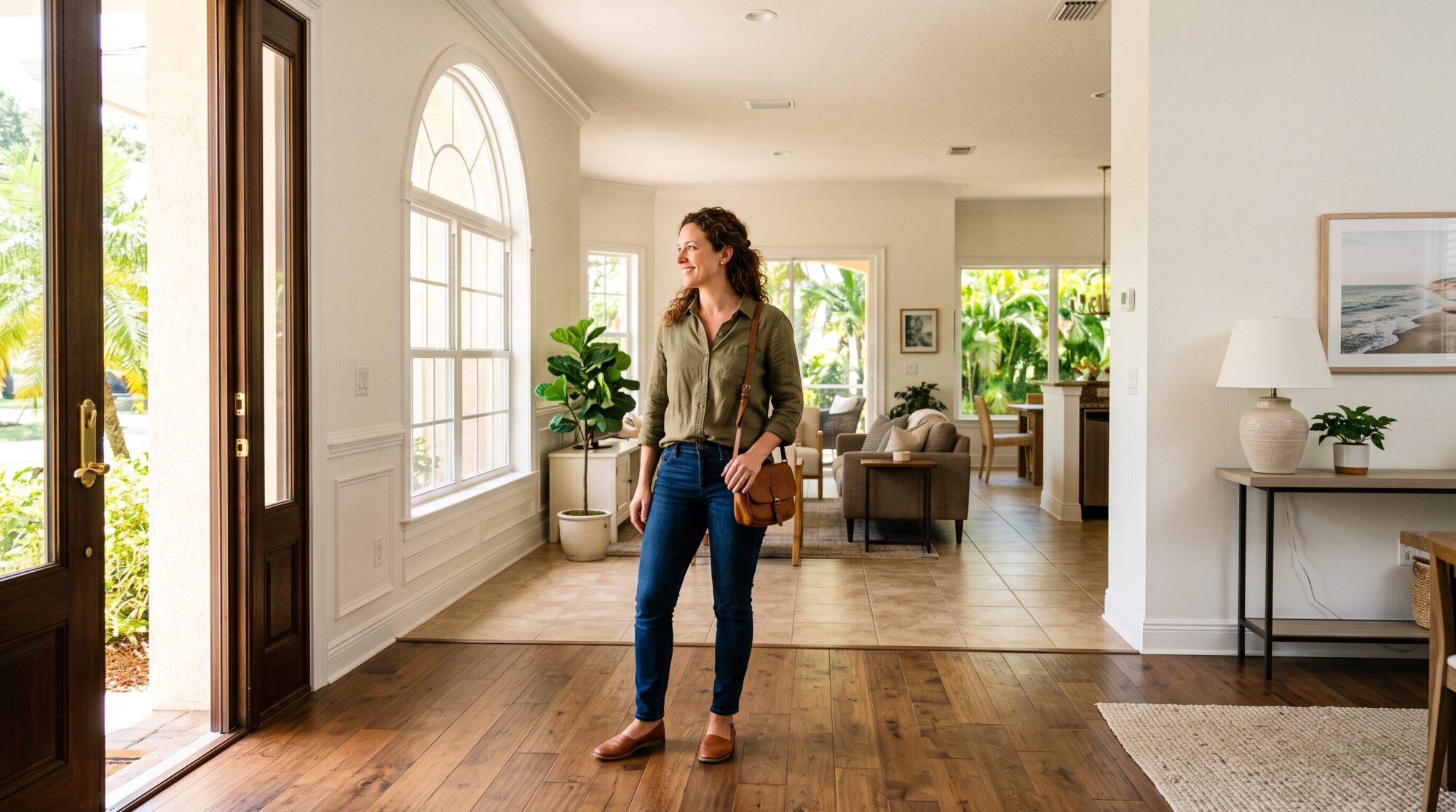
As a licensed Realtor here in Ocala, I have stood in the back of a lot of showings, watching buyers walk through a house for the very first time. And after enough of these, you start to notice a pattern that most sellers never see: the decision happens almost instantly, and it happens for reasons that have nothing to do with the things sellers spend the most time worrying about.
Most buyers form a gut reaction almost immediately — the smell when the door opens, how much light hits the entry, whether the place feels cared for. Everything that happens after that first thirty seconds is them hunting for proof they were right.
Thinking About Selling? Let’s Talk.
Whether you’re selling a family home or an equestrian property here in the Ocala area, I’ll give you an honest assessment of what it will take to get top dollar.
The First 30 Seconds Decide More Than You’d Think
Before a buyer has looked at a single closet or opened a single cabinet, their brain has already made a call. It happens in the entry — sometimes before they’re even fully through the door. They register the smell first, whether they consciously notice it or not. Then the light: does the space feel bright and open, or dim and closed in? Then something harder to name — does this house feel like someone takes care of it?
That reaction sets the tone for the entire showing. It’s not rational, and it’s not really about the house’s actual condition. It’s a snap judgment, and once it’s made, it’s very hard to undo.
Then They Go Looking for Proof
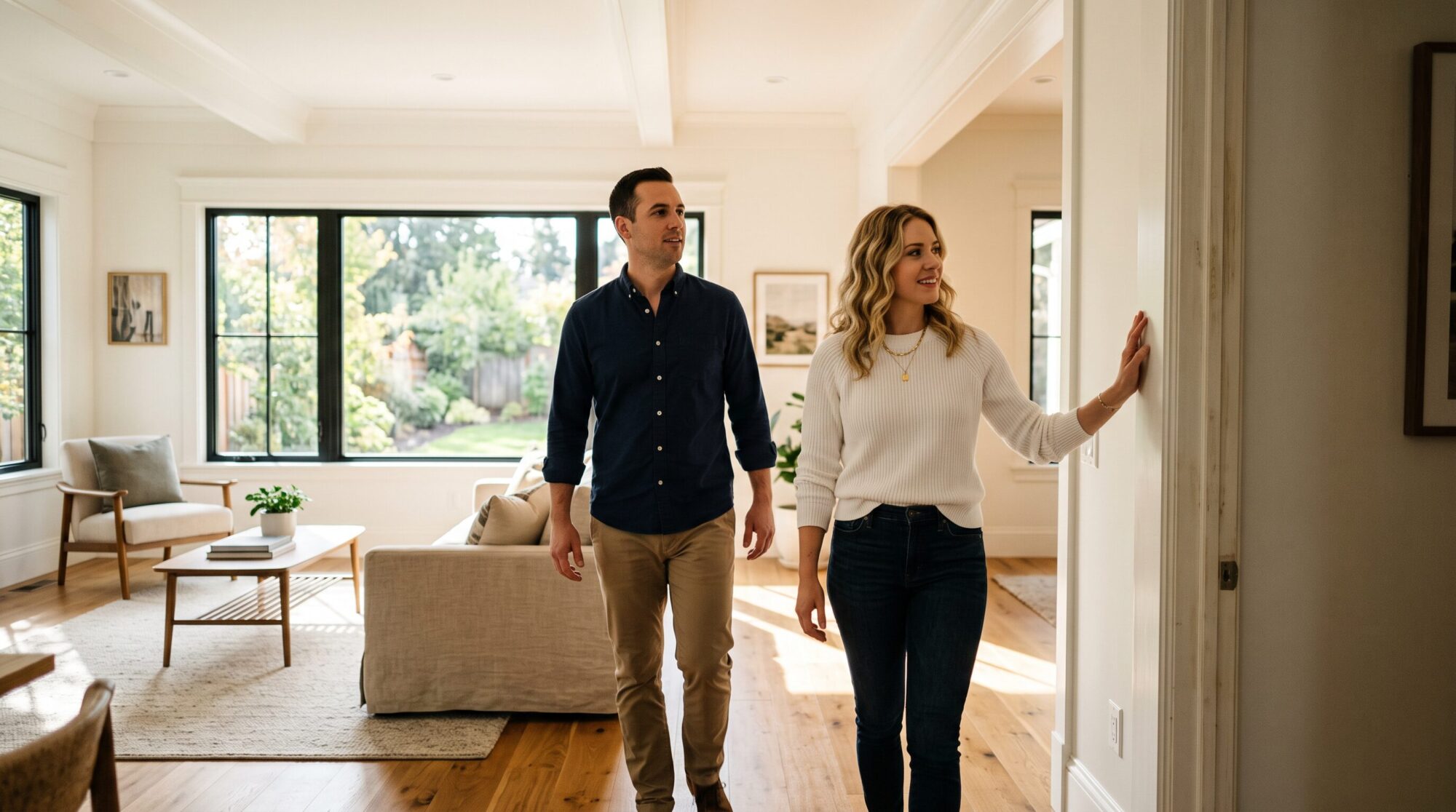
Here’s the part sellers don’t expect: once that first impression forms, buyers spend the rest of the showing confirming it, not evaluating the house with fresh eyes.
A buyer who felt good walking in will forgive dated countertops, a slightly awkward layout, even a room that needs paint. They’ve already decided they like this house, so the small imperfections read as charming or fixable.
A buyer who caught a whiff of pet odor at the door will spend the next twenty minutes opening cabinets, checking under sinks, and looking for what else might be wrong. And they’ll find it — because every house has something. The difference is whether they’re looking for reasons to love it or reasons to walk away.
What Buyers Actually Fixate On
This is the part that surprises most of my sellers. The things buyers actually zero in on aren’t the things sellers spend the most energy worrying about. Fresh paint color rarely makes or breaks a sale the way sellers fear — it’s these smaller, harder-to-fake details that actually do:
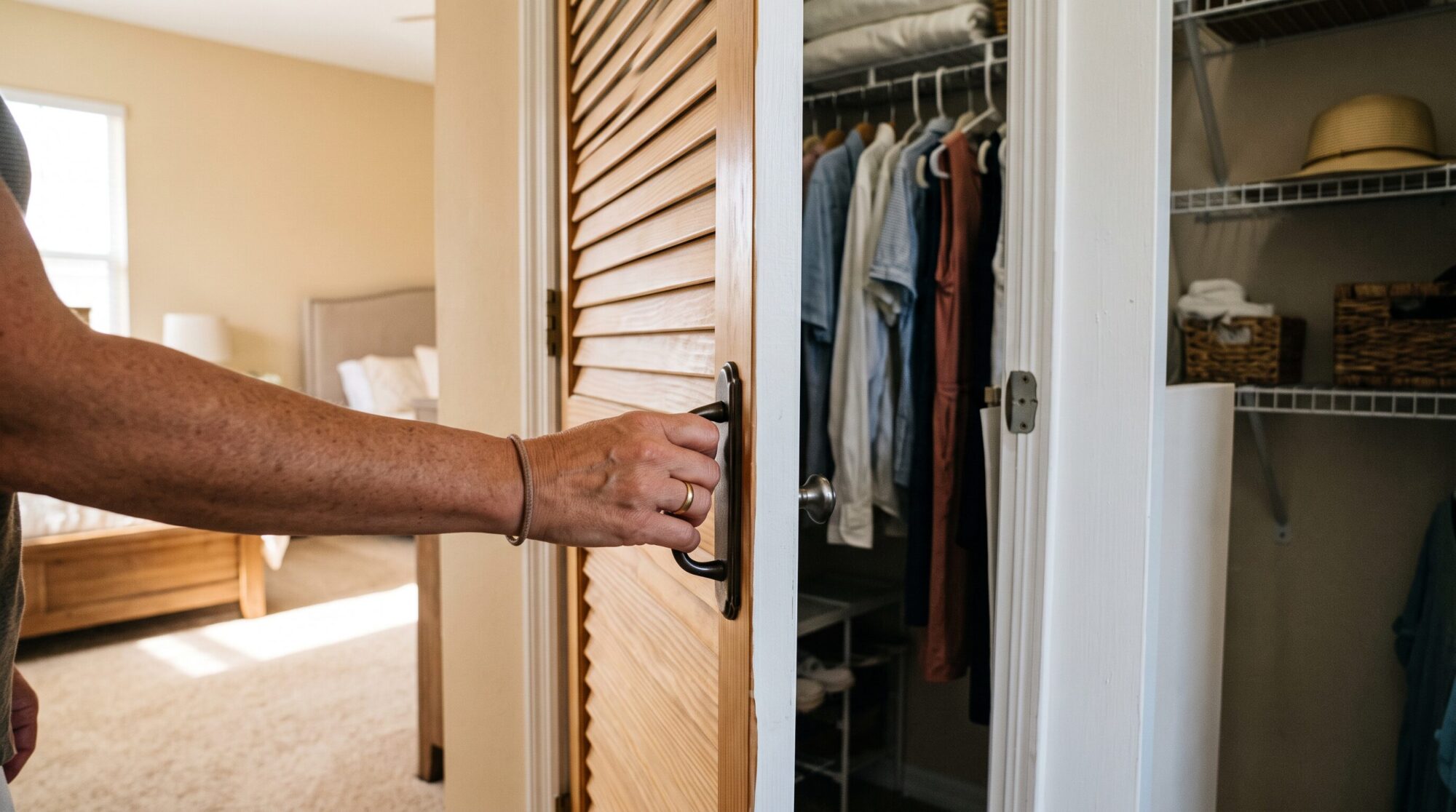
- Closet space. Buyers open every closet door, every time. A cramped or overstuffed closet reads as “not enough storage in this house,” even if it’s really just a staging problem.

- Water stains on ceilings. Even an old, already-fixed leak stain will stop a buyer cold. It doesn’t matter if the roof was replaced two years ago — the stain reads as “unresolved problem” unless you can prove otherwise.
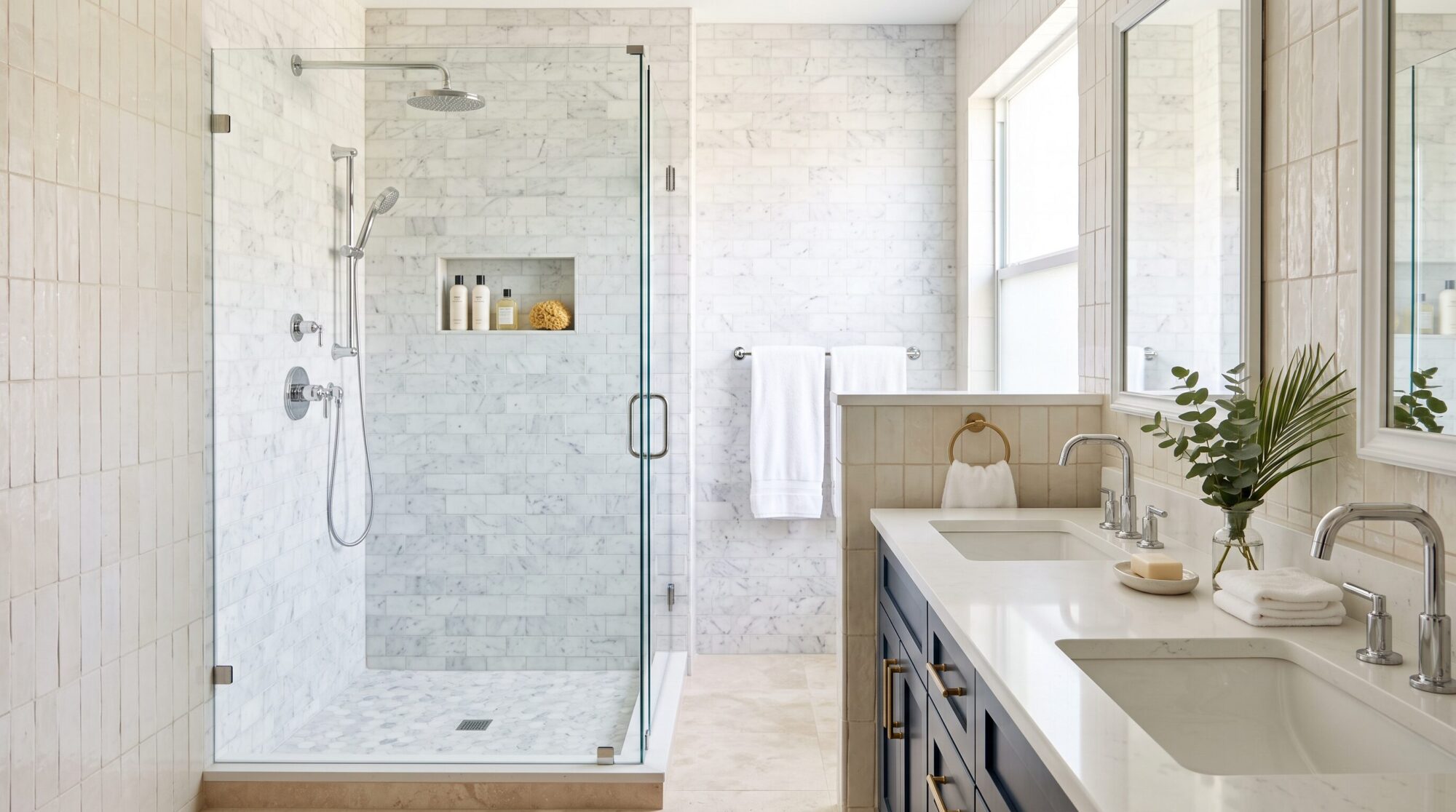
- How the primary bath smells and looks. This is the room buyers scrutinize hardest, because it’s the most personal space in the house. Grout, caulking, and smell all get noticed here first.
- Whether doors stick. A door that doesn’t close smoothly reads as “this house has settling issues” even when it’s just a hinge that needs adjusting. Buyers test doors more than almost anything else.
- The condition of things they can’t easily change. Roof, windows, and layout top this list. Buyers know paint and furniture are easy to change later. A dated roof or an awkward floor plan is not, and they clock that difference immediately.
What Sellers Worry About vs. What Buyers Actually Notice
A Buyer’s-Eye Walkthrough Before You List
Before your first showing, walk your own house the way a buyer will — critically, and in this order:
- Walk in the front door and stop. What do you smell? What’s the light like? Be honest — you’ve stopped noticing your own house’s smell months ago.
- Open every closet. Are they crowded enough to look small?
- Look up in every room. Any stains, even old ones, need to be addressed and explained.
- Test every door. Does anything stick, drag, or fail to latch?
- Walk the primary bath specifically. Check grout, caulking, and smell — this room gets scrutinized harder than any other.
- Be ready to talk about the big-ticket items. If the roof or windows are older, have your documentation (age, any warranties, recent inspections) ready so buyers aren’t left guessing.
The Bottom Line
You can’t control every buyer’s gut reaction, but you can control what they’re reacting to. Fix the small, honest things — the smell, the stuck door, the water stain — and you give buyers every reason to keep looking for proof they were right to love your house. For more on getting the bigger picture right before you list, see my post on home staging mistakes that cost sellers money, and if you’re still working out your number, here’s how to price your home right the first time.