
Of all the decisions you will make when selling your home, pricing is the one that matters most. More than your staging. More than your listing photos. More than the day you choose to go live. If your price is wrong on day one, everything else you do becomes an uphill battle.
I have been a Realtor here in Ocala long enough to watch sellers make this mistake over and over again — and it costs them, every single time. They come in too high because they love their home, because they need a certain number, or because a neighbor got a great price two years ago. And then they sit. And wait. And eventually reduce. And by then, the damage is already done.
Today I want to give you a straight, honest look at how pricing actually works, why getting it right the first time is so critical, and what you should be looking at when you sit down with your Realtor to set a number.
Thinking About Selling in Ocala?
I’ll pull the comps, walk your property, and give you an honest pricing recommendation — no pressure, no guesswork.
The First 30 Days Are Everything
Here is what most sellers don’t realize: the moment your listing goes live, a clock starts ticking. Buyers are watching the market constantly. They have alerts set up, they are touring homes every weekend, and they know — often better than sellers — what things are actually worth in a given neighborhood at a given moment.
When a new listing hits at the right price, it generates immediate interest. Showings stack up. Offers come in within the first week or two. Sometimes you get multiple offers and end up above asking price.
When a listing hits overpriced, buyers scroll right past it. They have already seen everything at that price point and they know your home doesn’t belong there. The listing sits. Days on market start accumulating. And days on market is a signal — it tells every buyer who eventually looks at your home that something is wrong with it, even if nothing is wrong at all except the price.
What Actually Determines Your Home’s Value
Your home is worth what a ready, willing, and able buyer will pay for it in the current market. That is it. Not what you paid for it. Not what you put into it in renovations. Not what your neighbor got for theirs in 2022. The current market is the only thing that matters.
That said, there are real factors that influence where your home falls within the market:
- Recent comparable sales (comps): Homes similar to yours in size, condition, and location that have actually closed in the last 90 days. This is the foundation of any pricing analysis.
- Current active competition: What else is for sale right now that a buyer could choose instead of your home? If you are priced above comparable active listings, you are going to lose.
- Your home’s condition: Updated kitchen, new roof, fresh paint — these add value. Deferred maintenance, dated finishes, and functional issues subtract from it.
- Location within the neighborhood: Backing to a busy road, proximity to commercial areas, lot size and shape — all of these affect where you land relative to comps.
- Current market conditions: Is inventory low or high? Are interest rates pushing buyers in or out of the market? Is it a seller’s market or a buyer’s market right now?
The Biggest Pricing Mistakes Sellers Make

How a CMA Works (And Why You Should Actually Read It)
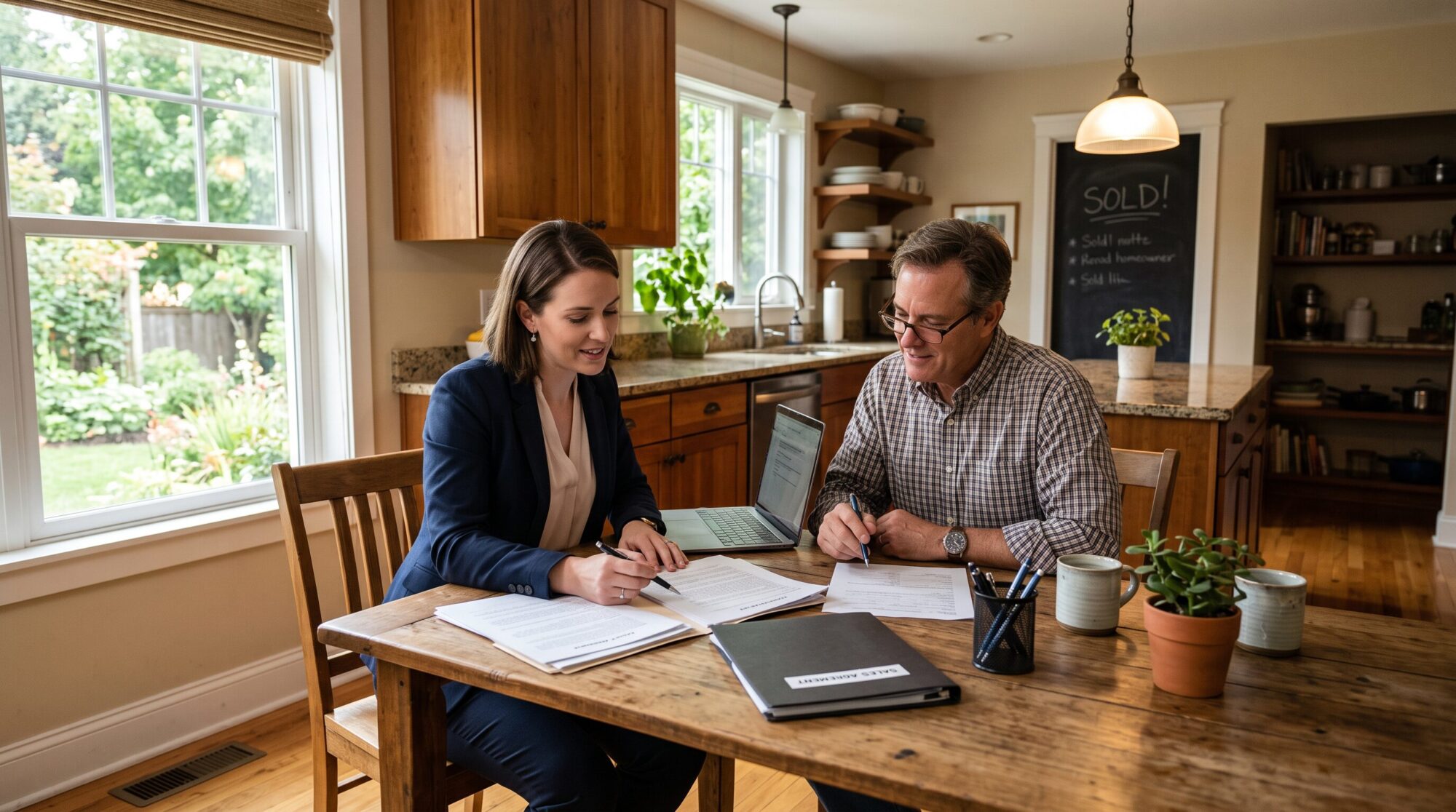
When you sit down with a Realtor before listing, they should prepare a Comparative Market Analysis — a CMA. This is not a rough guess. It is a structured analysis of recent sales data that shows you exactly where your home falls in the current market.
A good CMA will show you three things: homes that have sold recently (what the market actually paid), homes that are currently active (your competition), and homes that expired or were withdrawn (listings that failed to sell, usually because of price). That last category is the one most sellers skip over, and it is arguably the most important. Those expired listings are your cautionary tale.
When your agent walks you through the CMA, ask questions. Ask why certain comps were included and others weren’t. Ask what adjustments were made for differences in size, condition, or amenities. A Realtor who can answer those questions clearly and confidently is one who actually knows the data — and that matters when you are making one of the biggest financial decisions of your life.
Signs Your Home Might Be Overpriced
If your home is already on the market, here are the warning signs that your price needs a second look:
Few or No Showings
If you have been listed for two weeks and the showing requests aren’t coming in, buyers are voting with their feet. The price is the most common reason.
Showings But No Offers
People are touring but walking away. That usually means they like the home but don’t think the price is justified. They are waiting for the reduction.
Neighbors Are Selling, You’re Not
If similar homes in your neighborhood are going under contract and yours isn’t, the market is giving you clear feedback. Listen to it.
The Bottom Line on Pricing
The right price from day one is almost always better than a higher price that leads to a reduction later. Homes that are priced correctly from the start sell faster, net more money, and go through the transaction with far less stress. It is not about leaving money on the table — it is about getting to the closing table at all.
My job as your Realtor is to give you the most accurate, data-backed pricing recommendation I can — and then to be honest with you about it, even when the number isn’t what you were hoping to hear. That is the only way I can actually help you sell.