
As a licensed Realtor here in Ocala, I have walked into a lot of homes. Beautiful homes. Homes with potential. Homes that could have sold faster and for more money — if only the sellers had avoided a few very common, very fixable mistakes before listing.
I get it. Selling your home is emotional. You have lived there, built memories there, made it yours. That is exactly what makes staging so hard — because staging is not about your taste. It is about helping the next buyer see themselves living there. And that shift in thinking is where most sellers get stuck.
I have seen these mistakes cost sellers thousands of dollars, longer days on market, and offers that came in lower than they should have. Today I want to walk you through the most common staging mistakes I see, so you don’t have to learn them the hard way.
Thinking About Selling? Let’s Talk.
Whether you’re selling a family home or an equestrian property here in the Ocala area, I’ll give you an honest assessment of what it will take to get top dollar.
Mistake #1: Leaving Your Personal Life on Display
This is the big one, and it is the hardest for sellers to hear. Those family photos covering every surface of the hallway? The kids’ artwork on the fridge? The collection of trophies and memorabilia you have built over twenty years? It all needs to come down before you list.
This is not because your memories don’t matter. They do. But when buyers walk through a home filled with someone else’s personal life, it is genuinely hard for them to picture their own. They start feeling like a guest in your home instead of a potential owner. And a buyer who feels like a guest does not make a strong offer.
Pack it up, put it in storage, and give those walls a fresh coat of neutral paint. The goal is a space that feels warm and livable — but blank enough that buyers can mentally move themselves in.

Mistake #2: Ignoring Curb Appeal
Buyers form their first impression before they ever set foot inside your front door. If the lawn is overgrown, the flower beds are full of weeds, and the front door looks like it hasn’t been painted since 2003, they are already walking in with lowered expectations — and a lower offer in mind.
Curb appeal does not have to be expensive. Fresh mulch, trimmed hedges, a pressure-washed driveway, and a new front door mat can transform the outside of a home for a few hundred dollars. If the front door itself needs paint, do it. That single upgrade consistently delivers one of the best returns of anything you can do before listing.
Mistake #3: Underestimating the Power of Smell
I will be blunt here: smell kills deals. It is one of the most powerful senses buyers use when touring a home, and it is entirely subconscious. A home that smells like pets, smoke, mildew, or even strong cooking spices triggers an immediate negative reaction — even if buyers cannot identify exactly what they are smelling.
The problem is, you cannot smell your own home. You have lived with those smells for so long that your brain has completely tuned them out. This is why I always recommend asking a trusted friend — someone who will be honest with you — to do a smell walkthrough before you list.
Deep clean carpets, wash curtains, check under sinks for moisture issues, and keep pets out of the home during showings. Air out the house before every showing if at all possible. Fresh air is always better than a heavy spray of air freshener, which can actually make buyers more suspicious that you are trying to cover something up.
Mistake #4: Too Much Furniture
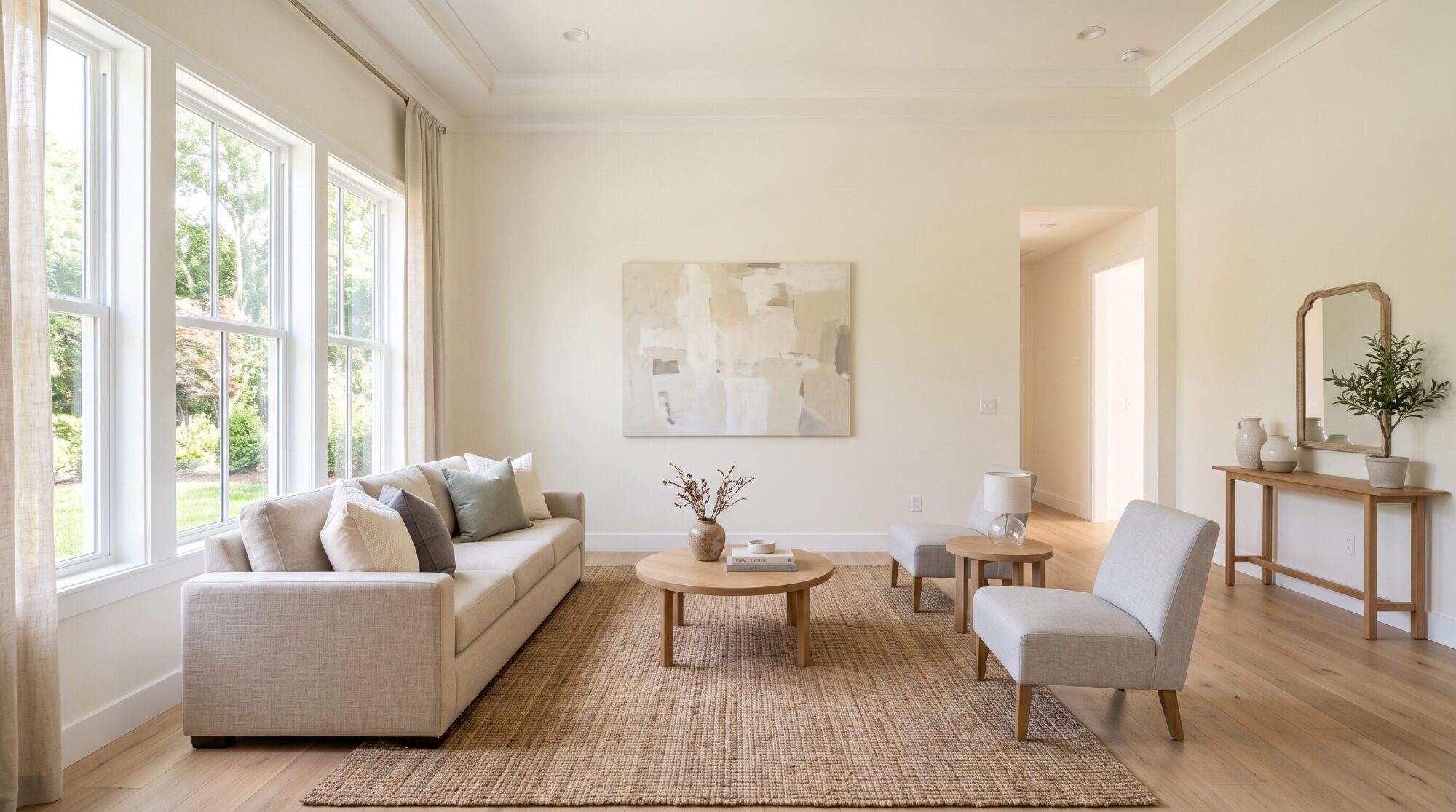
More furniture does not make a home feel more livable. It makes rooms feel smaller, traffic flow feel awkward, and spaces feel cluttered. This is one of the most common things I see in listings, and it is one of the easiest to fix.
As a general rule, aim to remove about a third of your furniture before listing. Pull pieces out of rooms that feel crowded. Clear the pathway through every room so buyers can move naturally from one space to the next. In bedrooms, you should be able to walk freely around all sides of the bed. In living rooms, there should be clear sight lines from the entry to the main focal point of the room.
If you don’t have somewhere to put the extra furniture, a small storage unit for a month or two is absolutely worth the cost. Buyers pay for space — real and perceived. Give them space.
Mistake #5: Skipping the Deep Clean
A dirty home signals to buyers that the property has not been well maintained. And if the surfaces they can see look neglected, they will start to wonder about everything they can not see — the HVAC filters, the grout lines in the shower, the state of the attic.
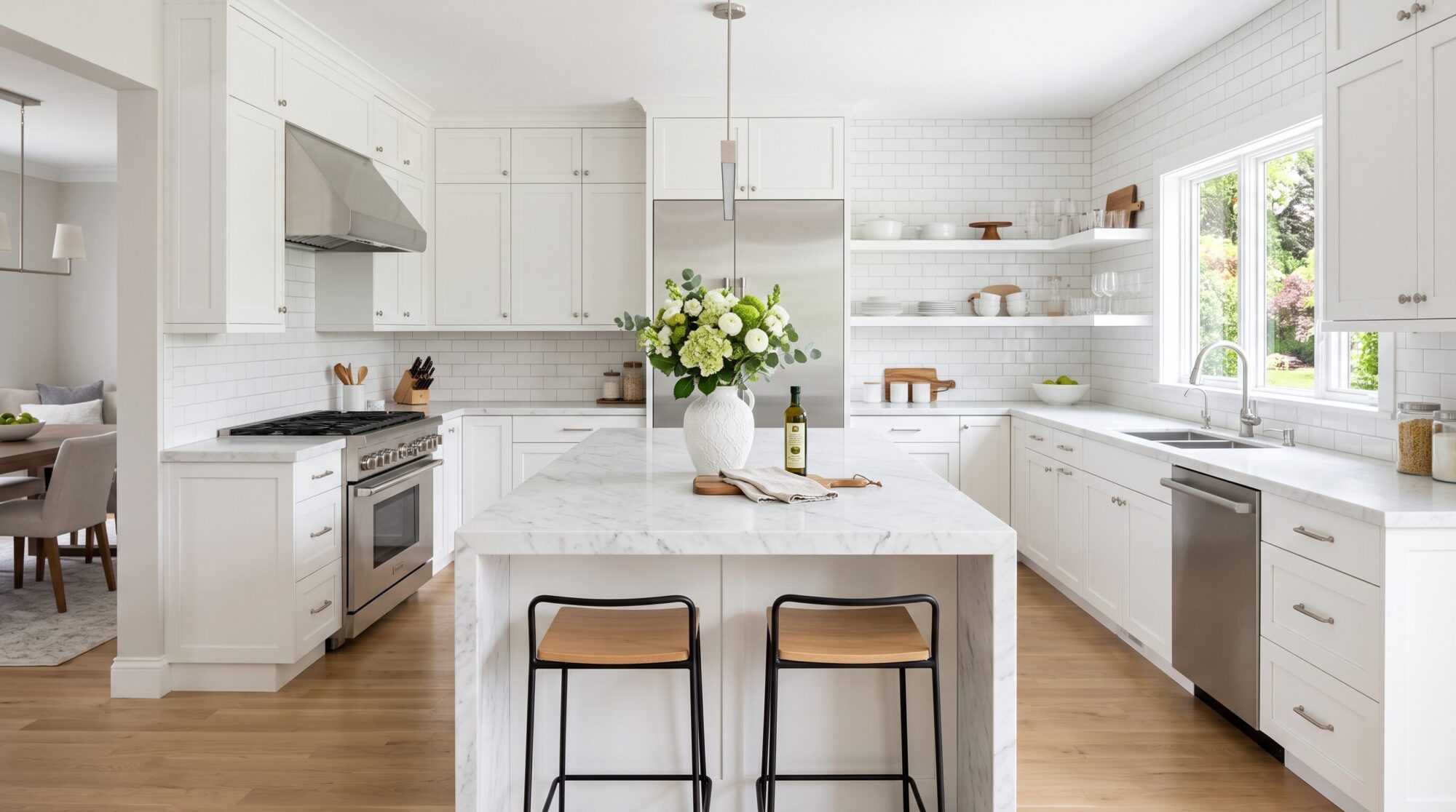
Before listing, every home needs a true deep clean. Not a Saturday morning tidy. A professional-level, top-to-bottom scrub of every surface, window, baseboard, light switch, and appliance. Pay special attention to kitchens and bathrooms — those rooms carry the most weight in a buyer’s decision, and they will notice a spotless kitchen the same way they will notice a grimy one.
If your budget allows, hire a professional cleaning crew for the initial pre-listing clean, then maintain it from there. It is a few hundred dollars that signals to every buyer who walks in: this home has been cared for.
Mistake #6: Using the Wrong Paint Colors
Your bold burgundy accent wall might be your favorite thing in the house. Your bright yellow kitchen might make you happy every single morning. I understand — and I am sorry to be the one to tell you this, but those colors are going to cost you.
Bold, highly personalized paint colors force buyers to mentally repaint before they can even imagine living in the space. That is cognitive work that buyers unconsciously factor into their offer. Neutral tones — warm whites, soft greiges, light taupes — create a blank canvas that feels fresh, clean, and move-in ready.
Mistake #7: Ignoring Deferred Maintenance
Staging is not just about aesthetics. Buyers and their inspectors are going to look at everything. If your gutters are sagging, your caulking is cracked, your cabinet hinges are broken, or your fence gate doesn’t latch — those things tell a story. And it is not the story you want buyers to be reading as they tour your home.
Before any staging begins, walk through your home with a critical eye and make a punch list of every small repair that has been sitting on the back burner. Leaky faucets. Sticky doors. Cracked outlet covers. Burned-out bulbs. These are inexpensive fixes individually, but collectively they signal to a buyer that this home needs work. And a buyer who thinks they are buying a project will price their offer accordingly.
Fix the small stuff before you list. It costs far less than a price reduction.
Frequently Asked Questions
How much should I budget for staging before selling?
Most of the fixes above — decluttering, curb appeal, deep cleaning, small repairs — cost a few hundred dollars total, far less than a single price reduction on the market.
Do I need to hire a professional stager?
Not always. For most homes, following these mistakes-to-avoid gets you 90% of the benefit. Higher-priced properties can still benefit from a professional’s eye.
What’s the single highest-return fix?
Curb appeal, especially the front door. It’s the first thing buyers see and one of the cheapest fixes on this list.
The Bottom Line: Staging Is an Investment, Not an Expense
Every dollar you put into smart staging before you list is a dollar working to get you a faster sale at a higher price. The sellers I see struggle most are the ones who skip these steps because they don’t want to spend the time or money — and then they sit on the market, reduce their price twice, and end up netting less than they would have if they had just done the prep work upfront.
You do not have to hire a professional stager (though it can absolutely be worth it for higher-priced properties). You just have to be willing to see your home the way a buyer will see it — and make the changes that will help them fall in love with it.
If you are thinking about selling and want a straight-talking walkthrough of what your home needs before it hits the market, that is exactly what I am here for.