

As a Realtor here in Ocala, I have sat across the table from a lot of sellers right after an offer comes in. It is one of the most emotional moments in the whole process — after weeks of showings and waiting, someone finally wants to buy your home. And that emotion is exactly where negotiations start going wrong.
Getting an offer is the easy part. What happens next — the back and forth, the counters, the decisions about what to fight for and what to let go — is where I watch sellers either protect their equity or accidentally give it away. Today I want to walk through the negotiation mistakes I see most often, so you can avoid them when your own offer comes in.
Thinking About Selling? Let’s Talk.
Whether you’re selling a family home or an equestrian property here in the Ocala area, I’ll give you an honest assessment of what it will take to get top dollar.
Mistake #1: Taking the Offer Personally
This is the big one, and it is the hardest to avoid. You have lived in this house. You have memories in every room. So when an offer comes in below asking price, it can feel like a judgment on your home, or even on you.
It is not personal. Buyers negotiate because that is what buyers do — it costs them nothing to ask. A low opening offer is often just a starting position, not an insult. Sellers who respond emotionally, with an angry counter or a flat refusal to engage, frequently kill deals that could have closed at a fair number for everyone. Treat the negotiation as a business transaction, not a referendum on your home’s worth.
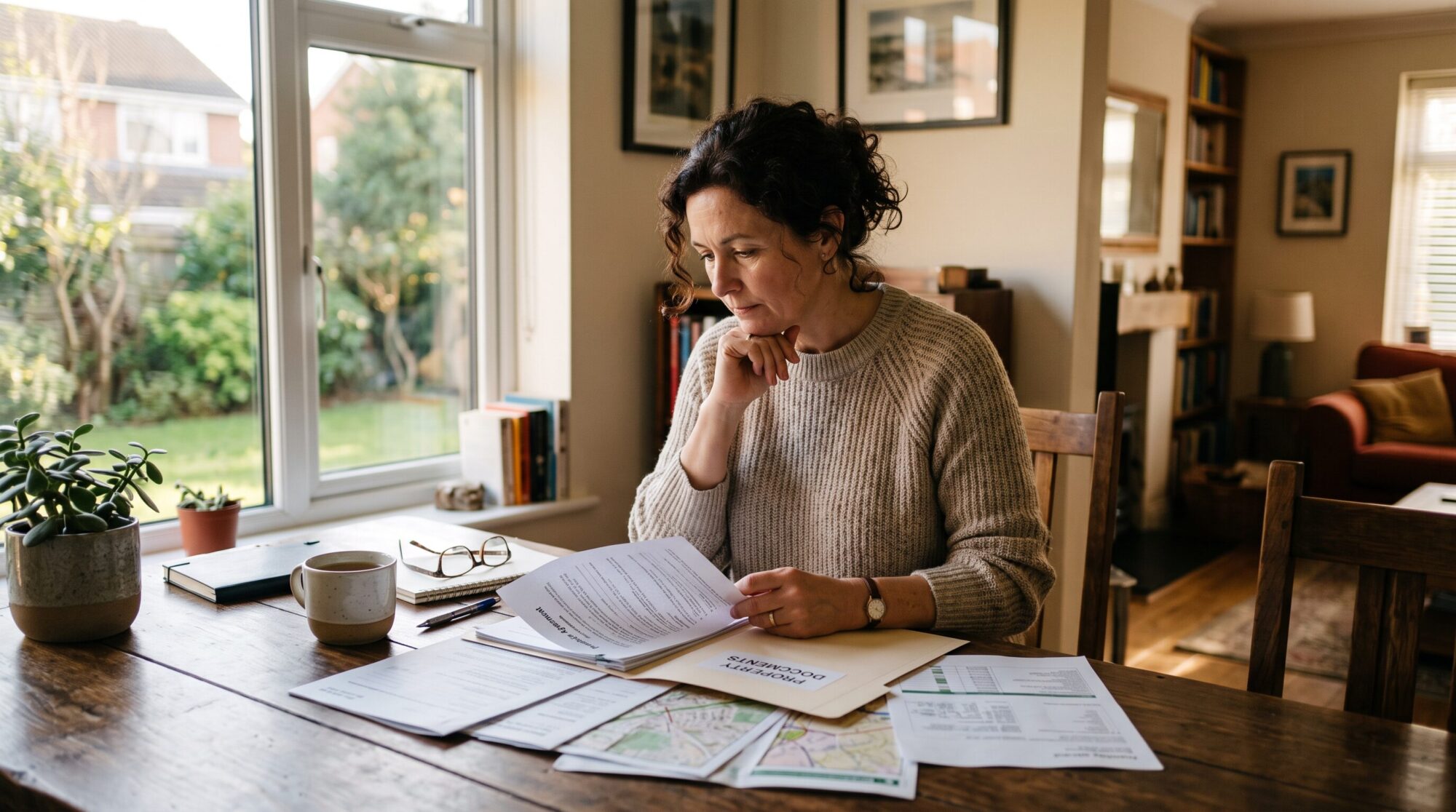
Mistake #2: Countering Every Single Line Item
Some sellers treat negotiation like they need to win every point to come out ahead. They counter the price, then nickel-and-dime the closing date, then push back on a $200 repair credit, then argue about which appliances stay. Each individual ask might be reasonable, but stacked together, it signals to the buyer that you are difficult to work with — and buyers who feel that way sometimes walk, even from a house they love.
Before you counter, decide which points actually matter to your bottom line and which ones are just principle. Fighting hard over a small repair credit while risking the whole deal rarely makes financial sense.
Mistake #3: Negotiating Only on Price
Price is the number everyone focuses on, but it is not the only thing on the table. Closing date, contingencies, who pays for what inspections, and how the offer is financed all affect what a deal is actually worth to you.
A slightly lower offer with a clean, all-cash close and a flexible move-out date can be worth more to you than a higher offer that is contingent on the buyer selling their own home first, or one financed with a loan type that has a higher chance of falling through. Look at the whole offer, not just the number at the top.

Mistake #4: Holding Out for a Better Offer That Might Not Come
It is tempting to reject a solid offer because you believe something better is right around the corner. Sometimes it is. But sellers who consistently pass on fair offers while waiting for a dream buyer often end up back where they started weeks later, having lost momentum and sometimes accepting a lower offer than the one they turned down.
Before you reject anything, know your actual walk-away number ahead of time — the price and terms below which you genuinely would rather not sell. If an offer clears that bar, think hard before letting it go on a hunch that a better one is coming.

Mistake #5: Letting the Buyer’s Agent Sense Your Urgency
Buyers’ agents are trained to pick up on signals. If your agent mentions you need to close by a certain date for a job relocation, or that you have already bought your next house and are carrying two mortgages, that information can and will be used to negotiate harder against you.
The Bottom Line
Negotiation is not about winning every point — it is about ending up at a number and a set of terms you can genuinely live with, while keeping the deal alive long enough to get there. Go in with a clear sense of what matters most to you, let the small stuff go, and let your agent handle the parts where emotion tends to take over.
For more on getting to this stage in the first place, see my posts on home staging mistakes that cost sellers money, pricing your home right the first time, and what buyers really look at during a showing.