Every horse owner hits the same wall eventually: a tack catalog with a hundred options for every single item, and no real way to tell what’s worth the money versus what’s just marketing. After years of buying, returning, and re-buying gear, I’ve landed on a pretty firm opinion about where it actually pays to spend more — and where you can save that money for something else entirely.
This isn’t a “buy all of this” list. It’s an honest breakdown of the essentials every rider needs, organized by where your money should actually go.
The Tack You Shouldn’t Skimp On
A few pieces of gear are directly tied to safety or to your horse’s long-term soundness. These are not the place to hunt for a discount.
Riding Helmet
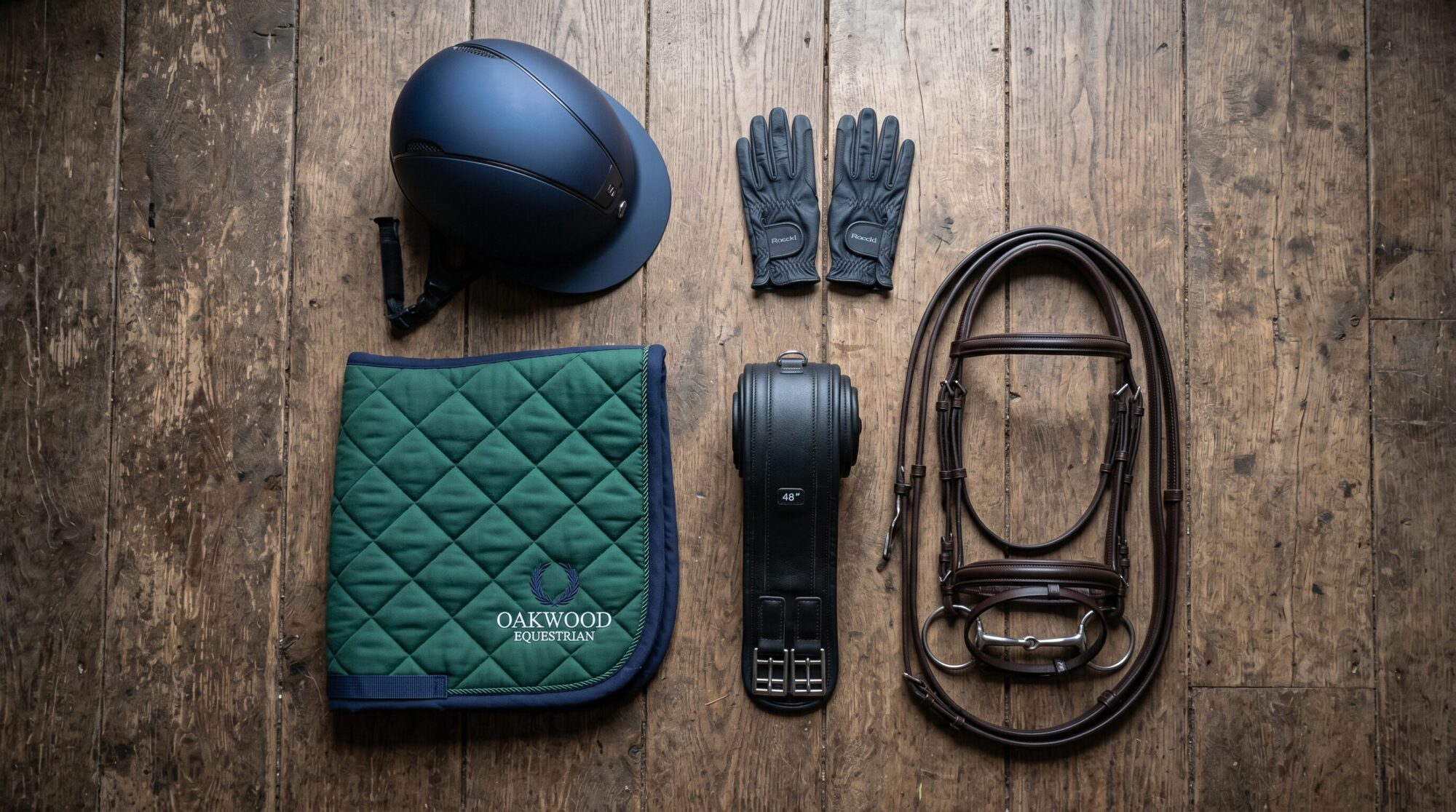
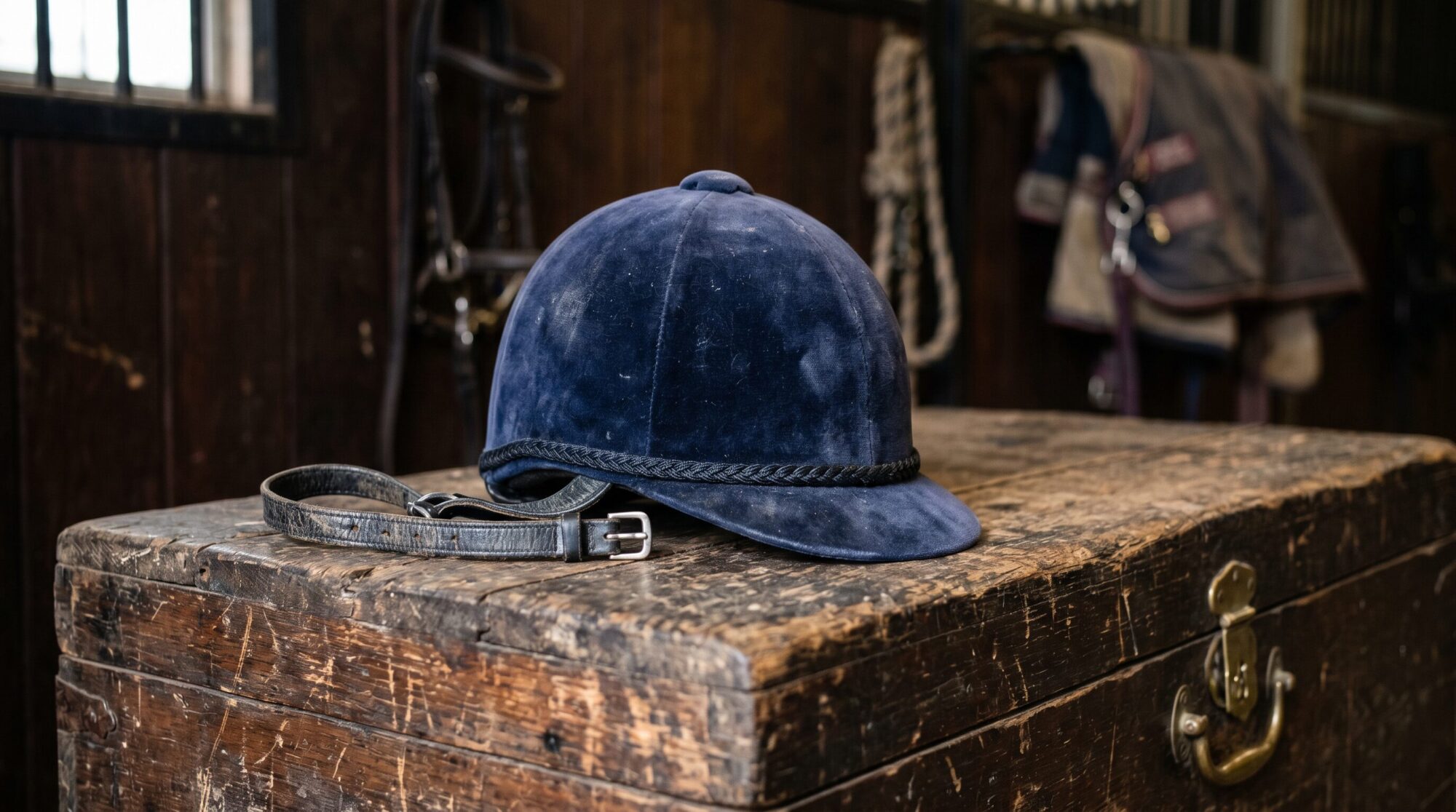
This is non-negotiable. Look for ASTM/SEI certification, a snug but comfortable fit, and good ventilation — and replace it after any hard fall, even if it looks fine on the outside. A helmet’s job is to absorb impact once, and once only.
Saddle
An ill-fitting saddle can cause real, lasting damage to a horse’s back, and it will fight you on every ride no matter how good your position is. If you’re only going to get a professional fitting for one piece of tack, make it the saddle.
Girth
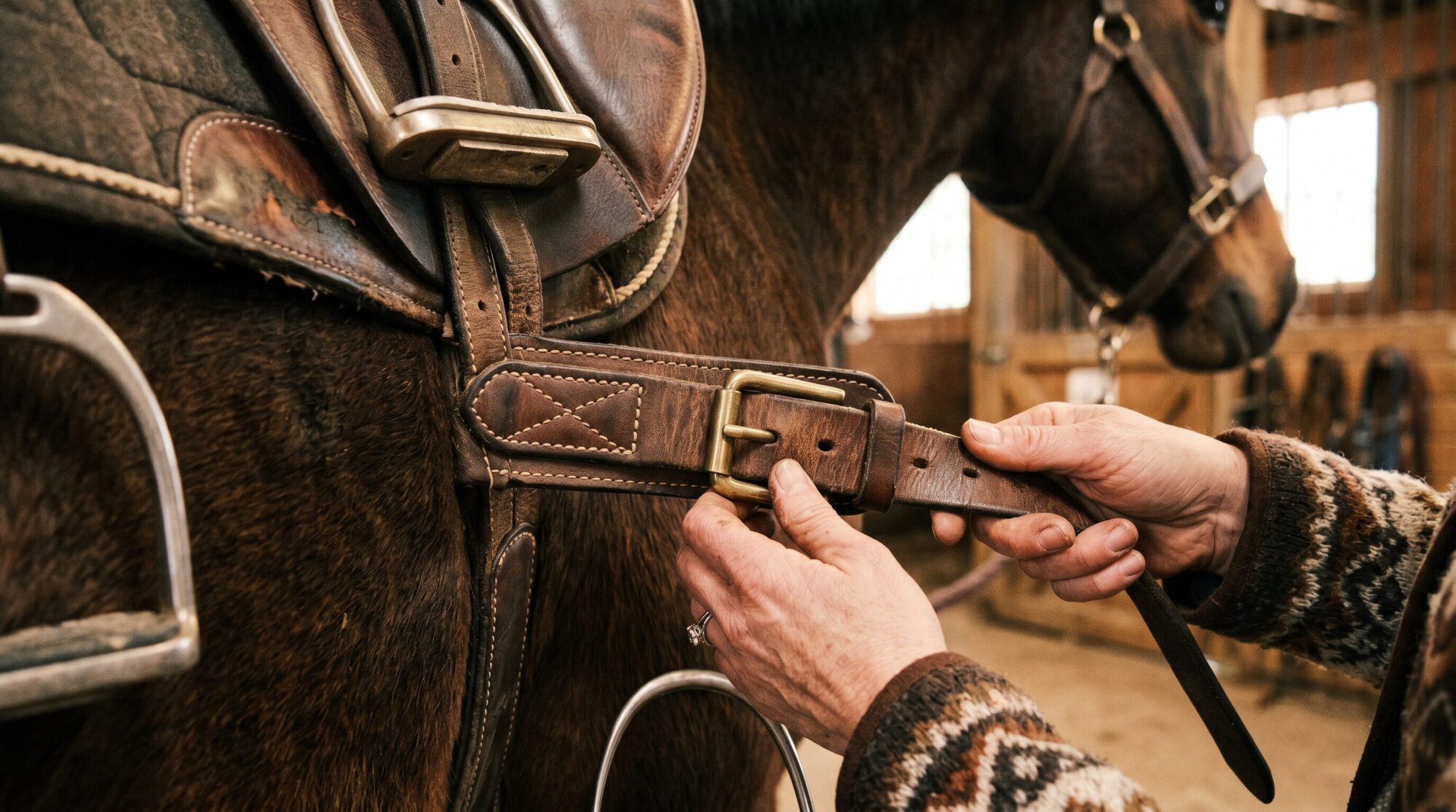
A cheap, stiff, or poorly shaped girth can cause girth galls and behavioral issues (girthiness, pinning ears at tacking up) that look like a training problem but are really a comfort problem. Anatomically shaped, well-padded girths are worth the upgrade.
Where It’s Okay to Save Money
Other items matter, but the gap between a budget option and a premium one is much smaller — sometimes it’s purely cosmetic.
Riding Gloves
A grippy, breathable pair in your size will do the job, whether it costs $15 or $60. Replace them when the palms wear thin, not based on the brand name.
Breeches and Riding Tights
Comfort and a good grip seat matter far more than the label. Mid-range breeches with a silicone or sticky-grip patch perform almost identically to the expensive options for everyday schooling.
Stirrups and Stirrup Irons
Unless you have a specific safety need (like a breakaway or flexible branch for young or nervous riders), a solid, simple pair of irons that fit your boot width is all you need.
Building Your Kit in the Right Order
If you’re starting from scratch — a new horse, a new lease, or just rebuilding a tack trunk that’s seen better days — it helps to know what to buy first instead of trying to outfit everything at once.
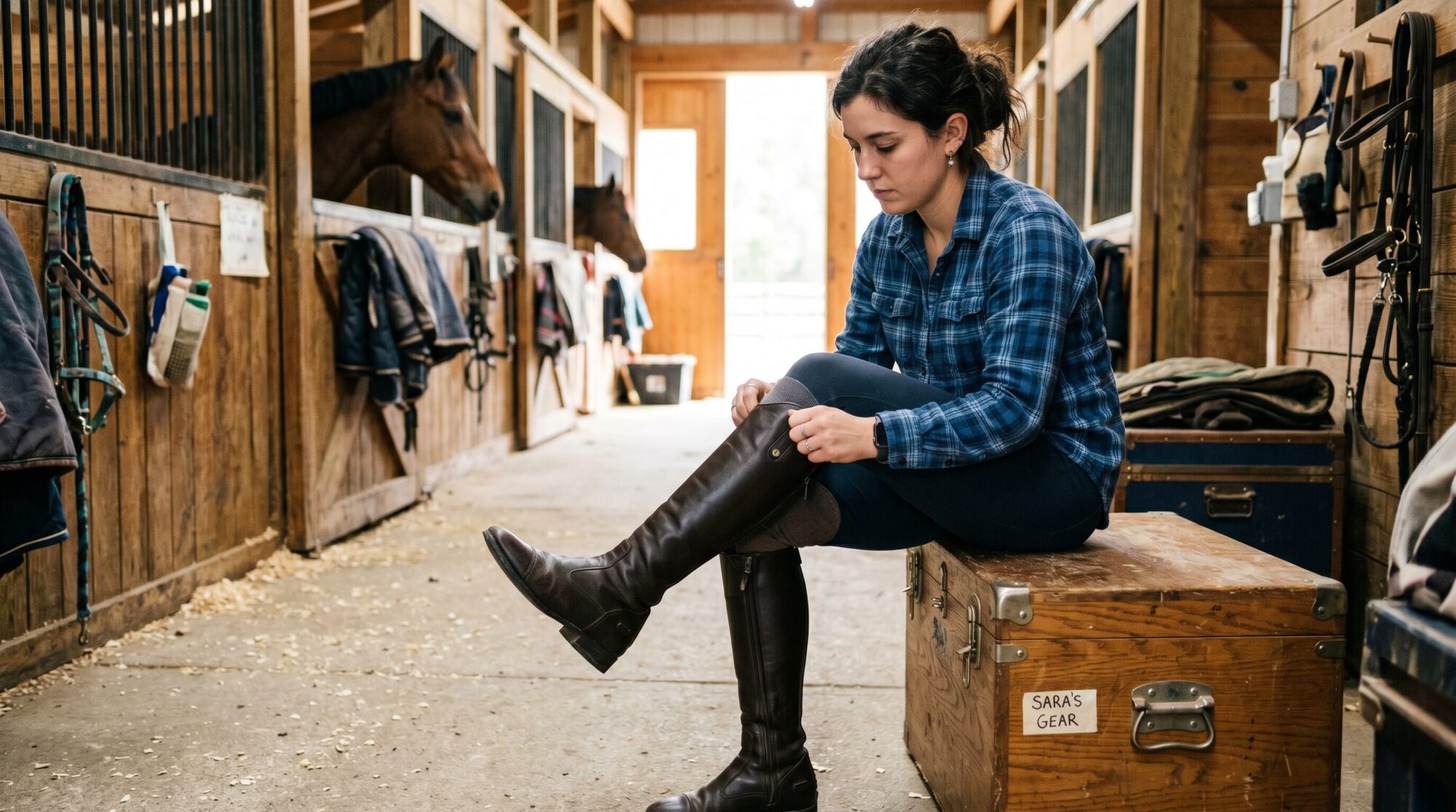
- First: Helmet and boots. You can’t safely get on a horse without them, full stop.
- Second: Saddle and girth, fitted properly. This protects your horse’s back from day one, even if the saddle itself is a budget or secondhand option.
- Third: Bridle and saddle pad. These round out what you need for a basic, safe ride.
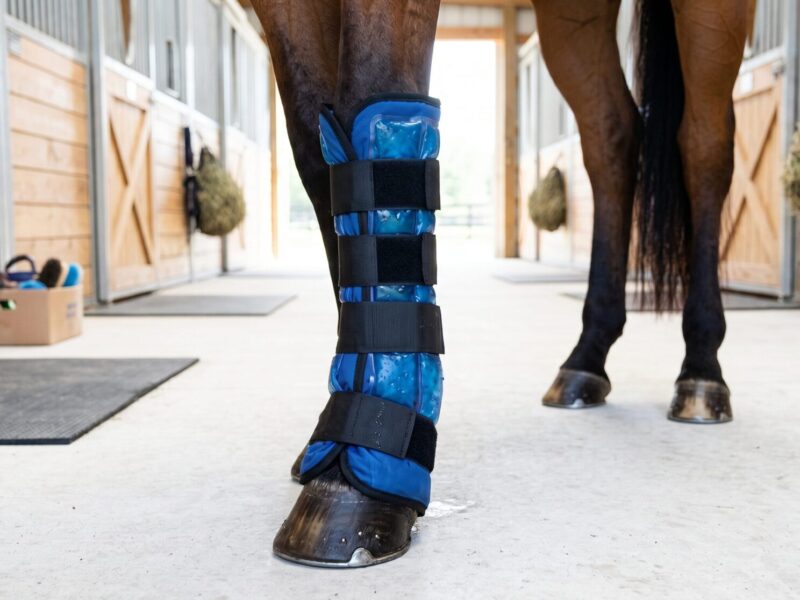
- Later: Breeches, gloves, horse boots, and discipline-specific extras as your riding gets more demanding or more frequent.
Buying in this order means the most safety-critical items are covered first, and the items where quality matters least are the ones you’re allowed to wait on.
What’s Okay to Buy Secondhand
Buying used is one of the smartest ways to stretch a tack budget, but it’s not equally safe for every item.
- Never buy used: Helmets. You have no way of knowing if a secondhand helmet has already absorbed an impact, and that damage isn’t always visible.
- Buy used with a careful check: Saddles (get the fit reassessed for your horse), leather boots (check the soles and structure, not just the outside), girths (check stitching and padding for compression).
- Almost always safe used: Bridles, stirrup irons, and horse boots, as long as you clean and condition leather before use and check that closures still grip.
How Often You Should Actually Replace Tack
Tack doesn’t wear out on a schedule, but a few checkpoints are worth building into your routine:
- Helmets: Every 5 years even with no falls, immediately after any hard impact.
- Leather (bridles, girths, stirrup leathers): Check stitching and the leather itself for cracking every few months — leather fails quietly until it doesn’t.
- Saddle pads: Once the padding compresses and stops springing back, it’s no longer protecting your horse’s back, even if the fabric still looks fine.
- Boots (yours and your horse’s): Replace when soles wear smooth or closures stop gripping — both are safety issues, not just appearance ones.
The Full Essentials Breakdown
Here’s how I’d rank the rest of the list — what to prioritize, and what to look for when you’re shopping.
The Bottom Line
You don’t need to buy everything at once, and you definitely don’t need to buy the most expensive version of everything. Put your money toward the helmet, the saddle fit, and the girth first — those are the items that protect you and your horse. Everything else can be built up gradually, secondhand where it’s safe to do so, and upgraded as you outgrow the basics or as your discipline gets more demanding.
For more on rounding out your kit, see saddle pads by discipline, my grooming product favorites, or essential horse supplements.
Looking for Budget-Friendly Picks?
I’ve put together a curated Amazon list of affordable tack and riding gear that won’t make you choose between quality and your budget.