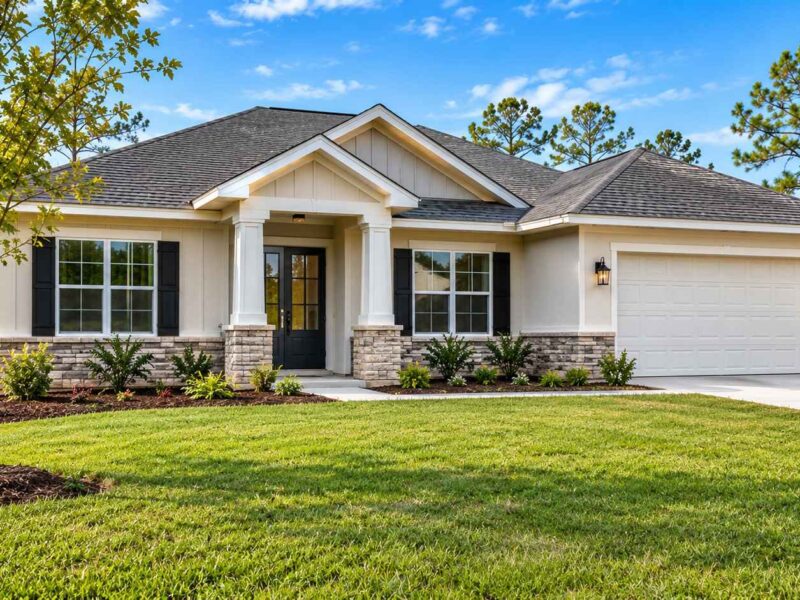

Here’s the honest answer: before you look at a single house — before the Zillow scrolling turns into Saturday drive-bys, and definitely before you fall in love with a barn — get pre-approved for a mortgage. That’s step one. Not step three. Not “after we find something we like.” First.
I know, I know. Looking at houses is the fun part, and talking to a lender feels like going to the dentist. But a pre-approval tells you what you can actually spend, shows sellers you’re serious, and keeps you from heartbreak over a place that was never in reach. So many of us have done it backwards — fallen for the perfect little farm with the run-in sheds and the oak trees, only to find out the numbers don’t work or the loan we assumed we’d use won’t cover that kind of property. Let’s not do that to you.
Getting Ready to Buy? Let’s Talk First.
Whether it’s a family home or an equestrian property here in the Ocala area, I’ll help you figure out your first steps and give you an honest answer for your situation.
What a Mortgage Pre-Approval Actually Is (and Isn’t)
A pre-approval is a lender looking at your real financial picture — income, debts, credit, savings — and telling you, in writing, roughly how much they’re willing to lend you and on what kind of loan. It’s not a guarantee (the house still has to appraise and your finances have to stay steady until closing), but it’s a lot more than a guess.
You’ll also hear the word pre-qualification. That one is usually a quick, back-of-the-napkin estimate based on what you tell the lender, often without them verifying anything. It’s a fine way to start daydreaming. It is not what you want to hand a seller when you’re making an offer.
Think of it like a horse’s vet check. Pre-qualification is the seller telling you, “Oh, he’s sound.” Pre-approval is your vet actually trotting him out. Only one of those should make you comfortable writing a check.
Why Pre-Approval Comes Before House Hunting
It sets your real budget. Online calculators are fun, but they don’t know your credit history, your car payment, or your student loans. A lender does. Knowing your number before you shop keeps you looking at homes that actually make sense — and keeps you from comparing every house to the one you couldn’t afford.
It makes your offer stronger. When a seller (and their agent) is weighing offers, a buyer with a pre-approval letter looks a lot more solid than a buyer who says, “We’ll get financing, promise.” If there’s competition for a home, that letter can matter.
It surfaces problems early. Maybe there’s an old collection on your credit report you forgot about. Maybe your income is a little complicated because you’re self-employed (hello, trainers and barn owners). Finding that out now gives you time to fix it — instead of finding out three weeks into a contract.
It tells you which loan fits. Conventional, FHA, VA, USDA, construction loans — they each have their own rules. A good lender will walk you through which ones you qualify for. If you’re looking outside the city, it’s worth reading up on who qualifies for a USDA loan in Marion County before that first lender call so you know what to ask about.
The Horse Property Twist: Tell Your Lender About the Barn
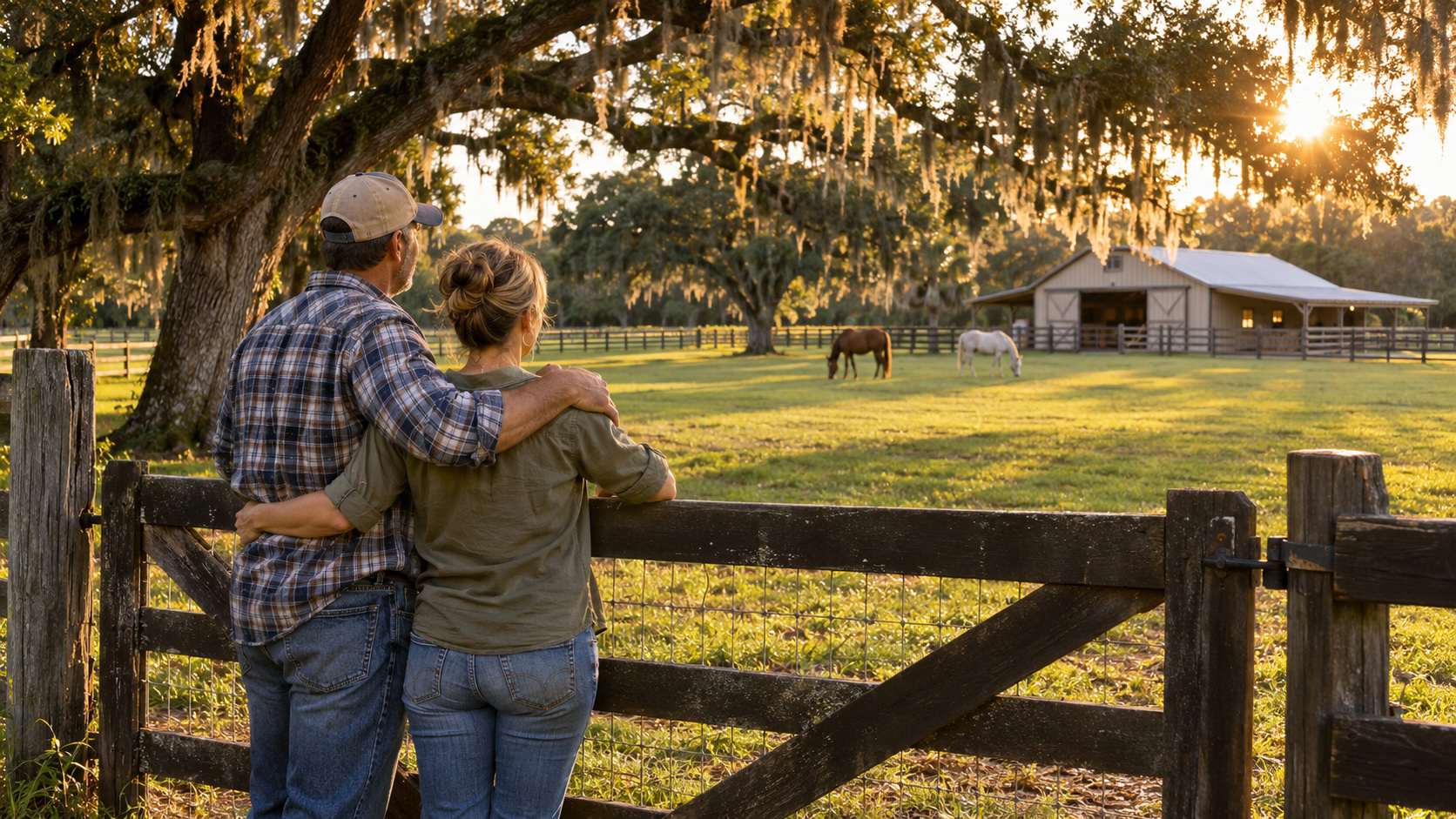
This is the part most “first steps to buying a house” articles skip, and it’s the part that matters most around here.
If there’s any chance you’ll be looking at acreage, a barn, fencing, or a property that’s used for horses, tell your lender up front. Not every loan program — and not every lender — handles land and outbuildings the same way. Some loans have rules about how much land is involved, whether the property earns income, or how outbuildings are valued in the appraisal. A pre-approval for a three-bedroom in a subdivision doesn’t automatically carry over to ten acres with a center-aisle barn.
Questions worth asking your lender when you’re horse property shopping:
- Do you lend on acreage, and does the amount of land change which loan I can use?
- How will barns, sheds, and fencing be treated in the appraisal?
- If the property has an agricultural use or boarding income, does that change anything?
- Do you work with appraisers who know rural and equestrian properties in Marion County?
- If I want to build a barn later, should I be thinking about a construction loan instead?
That last one is a real conversation for a lot of families. If you’re picturing raw land and building your own setup, here’s my plain-English breakdown of how construction loans work.
Here’s one I watched happen here in Ocala. A home on about 10 acres, with fenced pastures and a few outbuildings, went under contract. According to the listing, it even appraised above the asking price. Then the buyer’s financing fell through, and the home went back on the market. It did sell eventually. The listing didn’t say why the financing fell apart, so we don’t know whether the acreage had anything to do with it. But it’s a good reminder that a pre-approval letter and a strong appraisal don’t guarantee the loan will close.
Your Pre-Approval Checklist: What to Gather
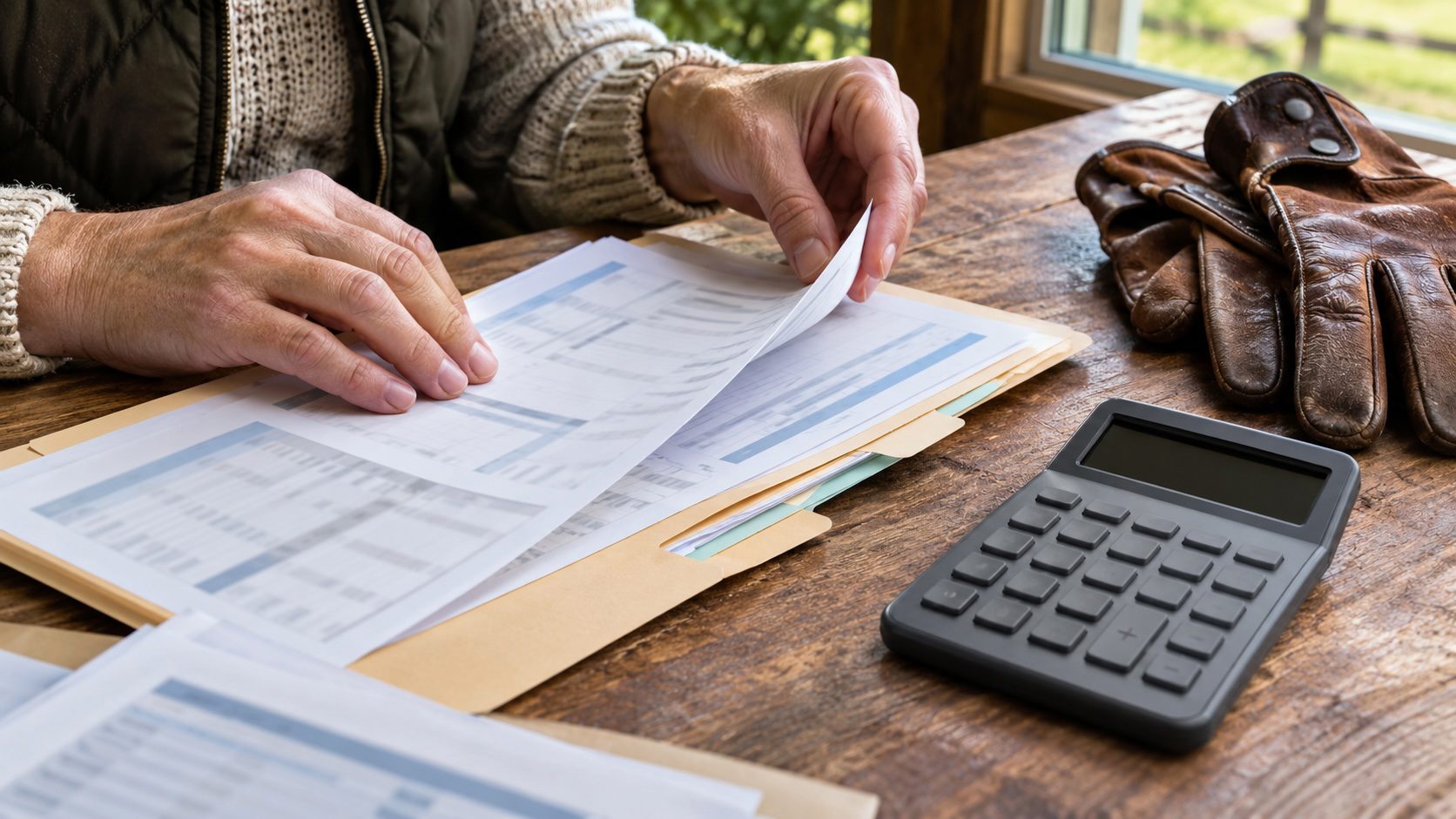
Every lender is a little different, so ask yours exactly what they need and for what time period. But most will ask for some version of this list, so you can start pulling it together now:
| What to Gather | Why They Ask |
|---|---|
| Photo ID | To confirm you’re you |
| Recent pay stubs | To verify your current income |
| W-2s and/or tax returns | To show income history (extra important if you’re self-employed) |
| Bank and investment statements | To show savings for your down payment and closing costs |
| List of monthly debts | Car loans, student loans, credit cards — they factor into what you can borrow |
| Gift letter (if family is helping) | To document where down payment money is coming from |
| Permission to pull your credit | Your credit history affects which loans and terms you qualify for |
About the numbers — interest rates, minimum credit scores, down payment requirements, mortgage insurance, loan limits — I’m not going to quote any here, on purpose. Those are set by the lenders and loan agencies, and they change over time. Your lender will give you current figures for your situation, and that’s the only number that matters. If you’re looking at USDA, you can check property and income eligibility yourself on the official USDA eligibility site.
Common Mistakes Between Pre-Approval and Closing
Getting pre-approved is step one. Staying approved is the part people forget. Once a lender has looked at your finances, they’re expecting things to look about the same when you close. So, while you’re house hunting:
- Don’t buy a truck and trailer. I know. The timing feels perfect. Wait. New debt can change what you qualify for.
- Don’t open new credit cards — even the store card with the great discount at the tack shop.
- Don’t change jobs without talking to your lender first.
- Don’t move big chunks of money around without a paper trail. Lenders like to know where money came from.
- Don’t stop paying bills because you’re “saving for the house.” Late payments hurt.
And keep in mind that pre-approval letters don’t last forever. If your search drags on, your lender may need updated documents to refresh it. That’s normal, just plan for it.
After Pre-Approval: Now the Fun Part Starts
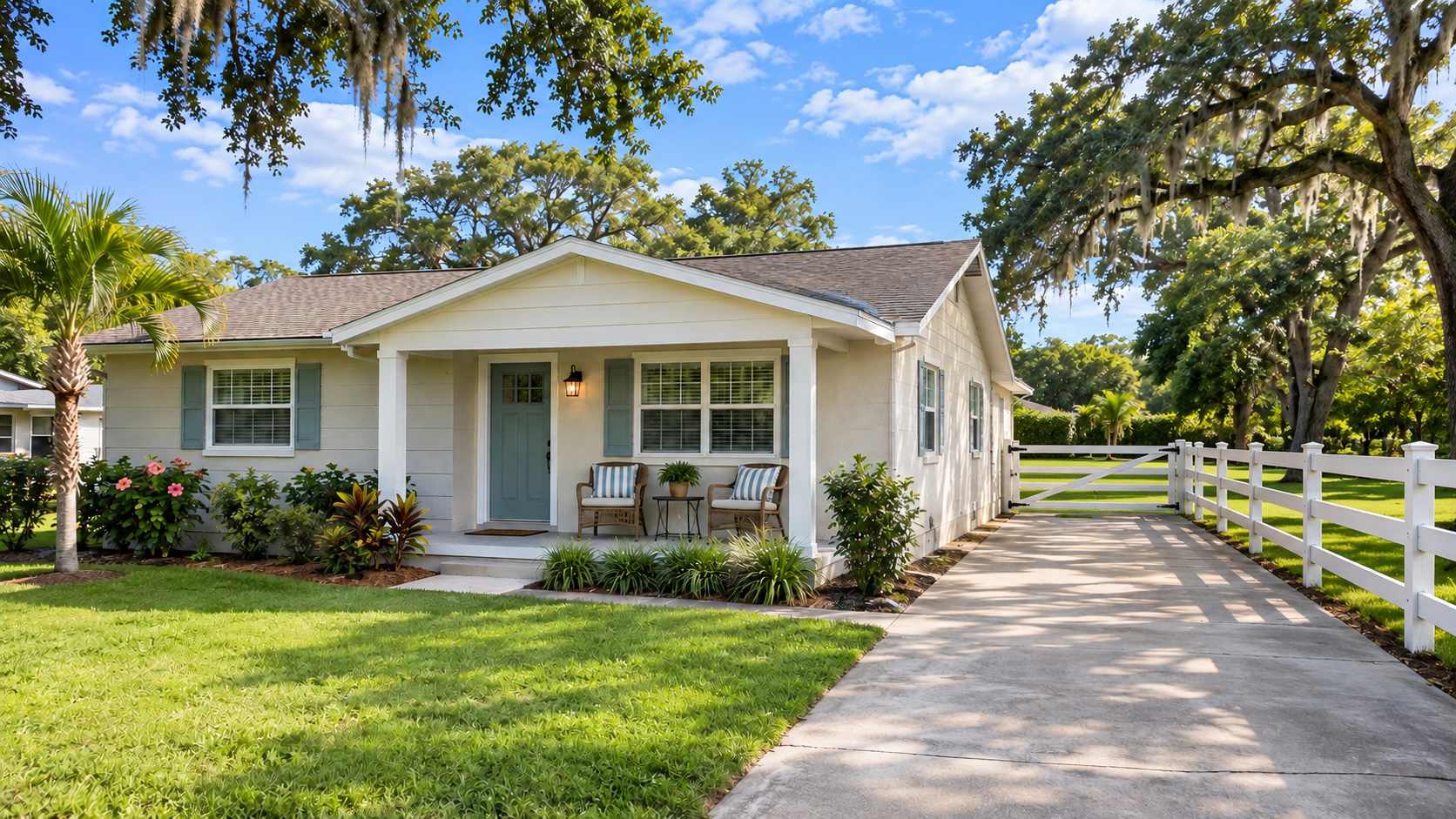
Once you have that letter, you can shop with confidence. That’s when it makes sense to sit down with a Realtor, talk through must-haves vs. nice-to-haves, and start touring. If you’re shopping for acreage, my barn mom’s checklist for buying a horse property covers what to look at beyond the pretty pasture — drainage, fencing, water, and the stuff you won’t notice until it rains for a week.
How I Help Buyers Get Started
I usually start with a quick phone call. I want to hear what’s bringing you to Ocala, what you’re comfortable spending, and what you need the property to do for you day to day. If you’re financing and haven’t talked to a lender yet, I can connect you with someone who’s familiar with acreage and horse properties, so we can get a realistic price range before we start looking.
Then we talk horses. How many are you bringing? Do you need a barn and fenced pastures ready on day one? Do you ride at home, or would you rather be close to your trainer or the places you show? Once we know what you need right away and what you’d be happy to add later, I can narrow down the search and show you properties that actually fit your routine.
Free Guide: Moving to Ocala with Horses
Thinking about relocating to the Ocala area with your horses? Get my free relocation guide: what each horse area offers, a horse property checklist, financing tips, and a move-with-horses checklist.
The Bottom Line
If you’re asking what to do first before looking at houses, the answer is simple: get pre-approved. It gives you a real budget, a stronger offer, and time to fix any surprises before they cost you a house you love. And if horses are anywhere in your future plans, say so on that very first lender call — it can change which loan makes sense.
House hunting is a lot more fun when you know the house you’re falling for is one you can actually bring home.
Did you get pre-approved before you started looking — or did you learn the hard way like so many of us? Tell me about it in the comments!