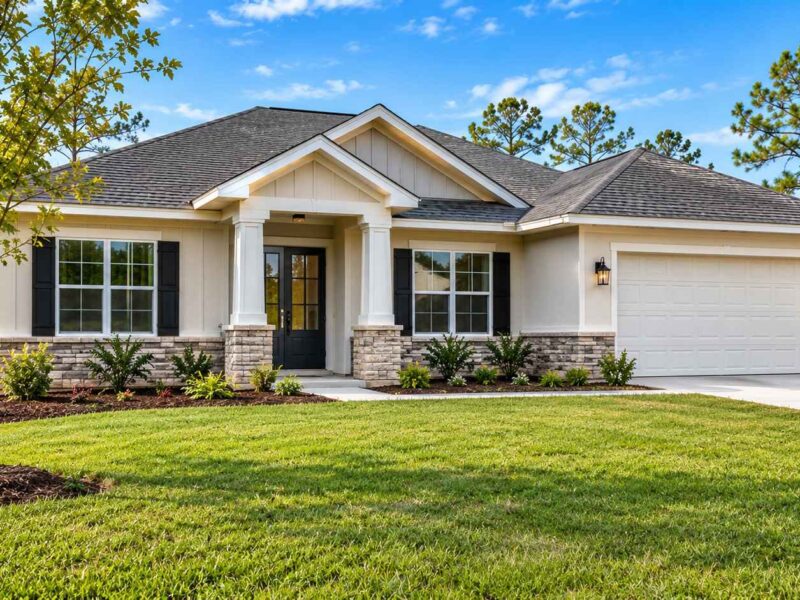
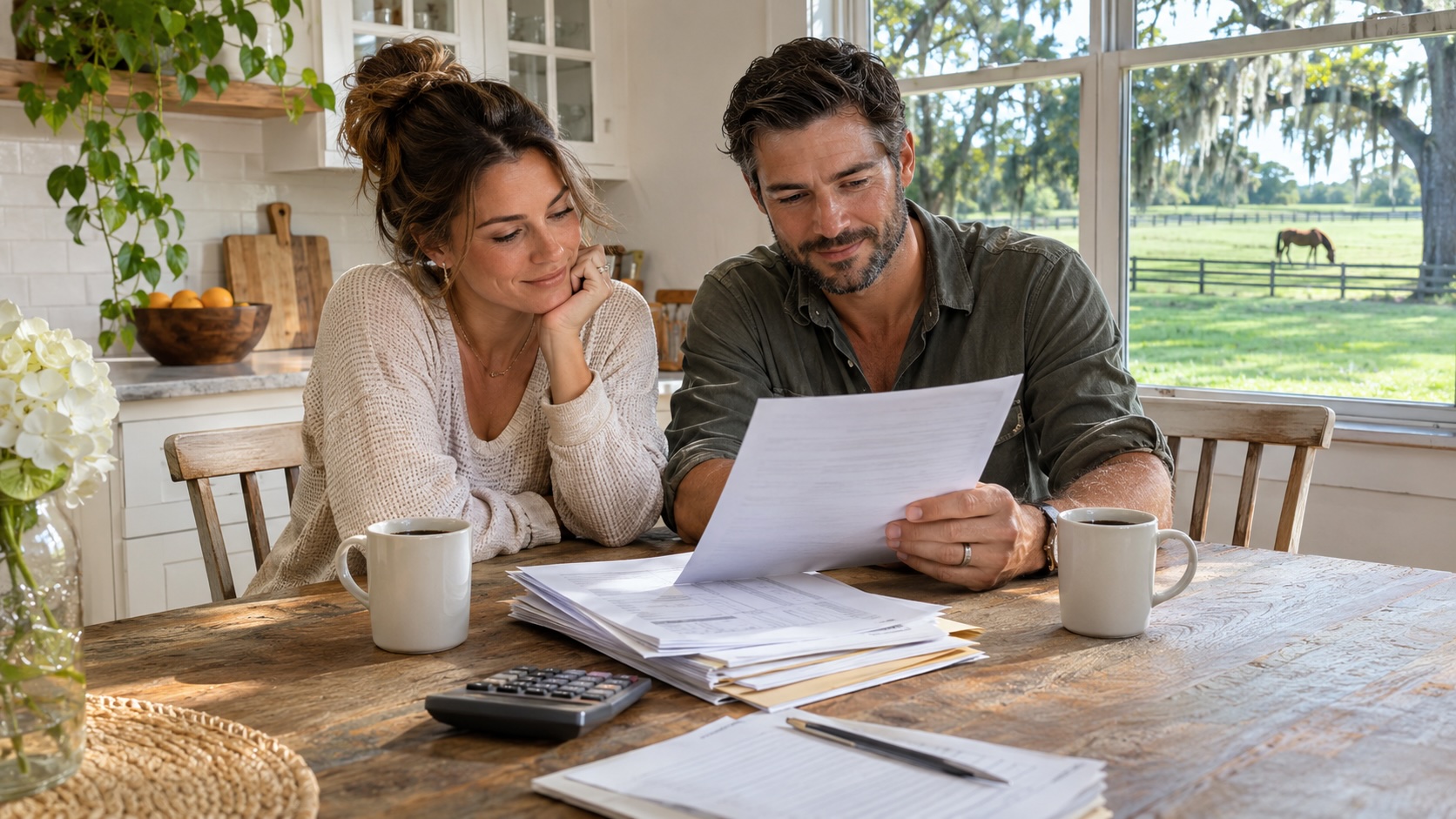
You found the house. The payment the lender quoted you fits the budget. You’ve already mentally picked out where the Christmas tree goes. And then the bills start showing up that nobody put on the listing sheet — the insurance quote that made you sit down, the property tax bill that doesn’t match what the seller paid, the well pump that picks the week after closing to quit.
So, what are the hidden costs of buying a house in Florida? The short answer: closing costs and prepaid items, homeowners (and sometimes flood) insurance, property taxes that can reset after a sale, HOA or special district fees, and the maintenance and “move-in” costs that come with any home — plus a whole extra layer if you’re buying acreage or a horse property. None of these are truly hidden. They’re just easy to miss when you’re focused on the purchase price and the monthly payment. Let’s walk through every one of them, the honest way, like we’re talking over coffee.
Want the Full Picture Before You Make an Offer?
Whether it’s a family home or an equestrian property here in the Ocala area, I’ll help you spot the costs that don’t show up on the listing — before they show up in your mailbox.
The Costs That Show Up Before You Even Get the Keys
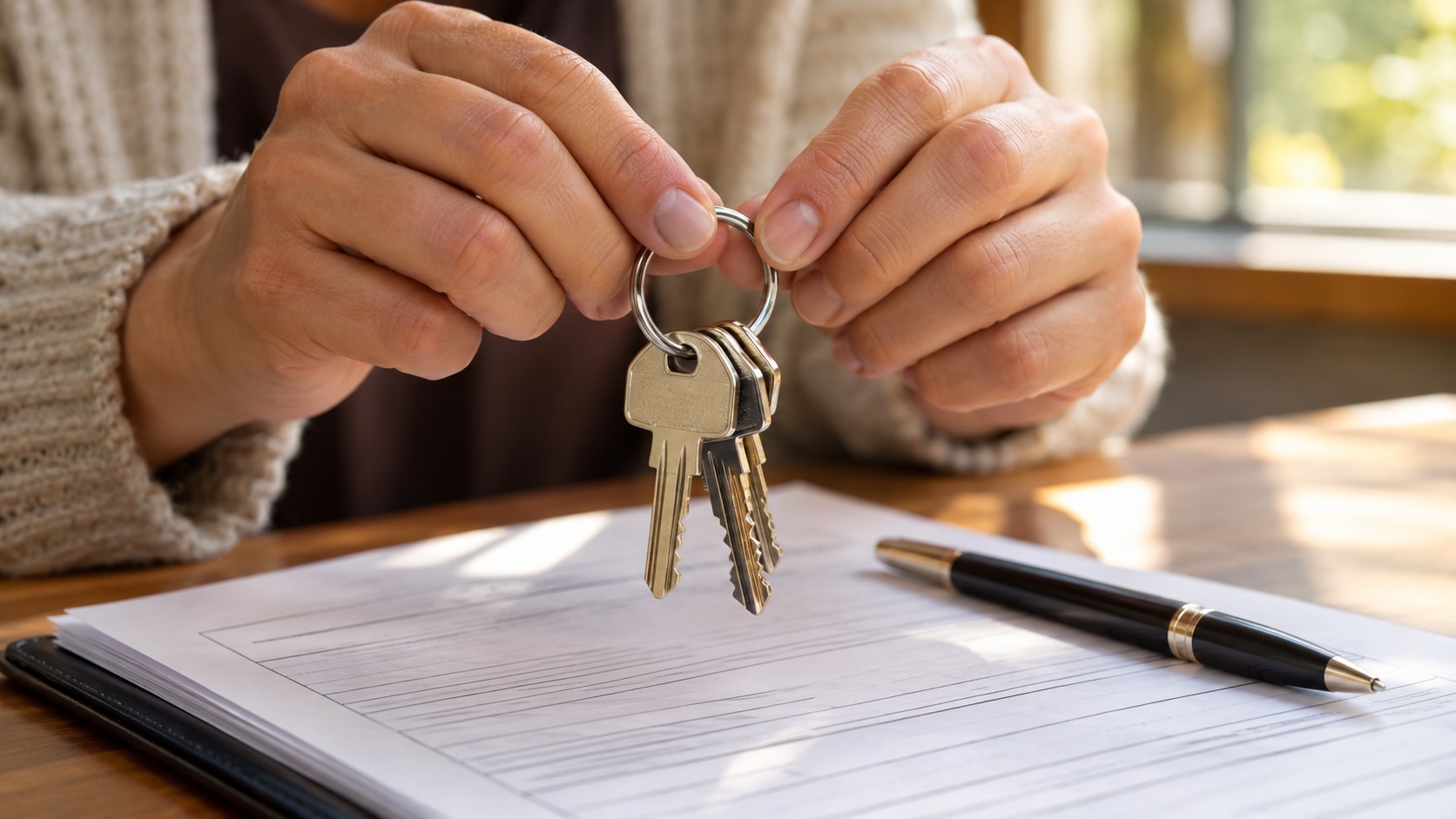
Your down payment gets all the attention, but it’s not the only check you’ll write at closing. There are a few buckets of money that catch first-time buyers off guard:
- Closing costs. Lender fees, title insurance, the appraisal, the survey, recording fees, and government taxes and fees on the mortgage. Which ones you pay — and how much — depends on your loan, your lender, and what you negotiate with the seller.
- Prepaids and escrow. This is the one that surprises people most. Your lender will usually collect your first year of homeowners insurance up front, plus a few months of property taxes and insurance to seed your escrow account. It’s not a fee — it’s your money, paid in advance — but it still has to come out of your bank account at closing.
- Inspections. A general home inspection is just the start. In Florida, insurance companies often want a wind mitigation report and a 4-point inspection (roof, electrical, plumbing, HVAC) on older homes, and you’ll likely want a termite (WDO) inspection too. Rural properties may add well and septic inspections.
Here’s my rule for anything that changes year to year — loan fees, mortgage insurance, down payment minimums: I’m not going to quote you a number in a blog post, because it would be out of date before you finished reading it. Your lender is required to give you a Loan Estimate that spells out your actual closing costs, and that’s the document to study line by line. If you haven’t talked to a lender yet, start with my post on what to do first before looking at houses.
Florida Insurance: The Big One Nobody Warns You About
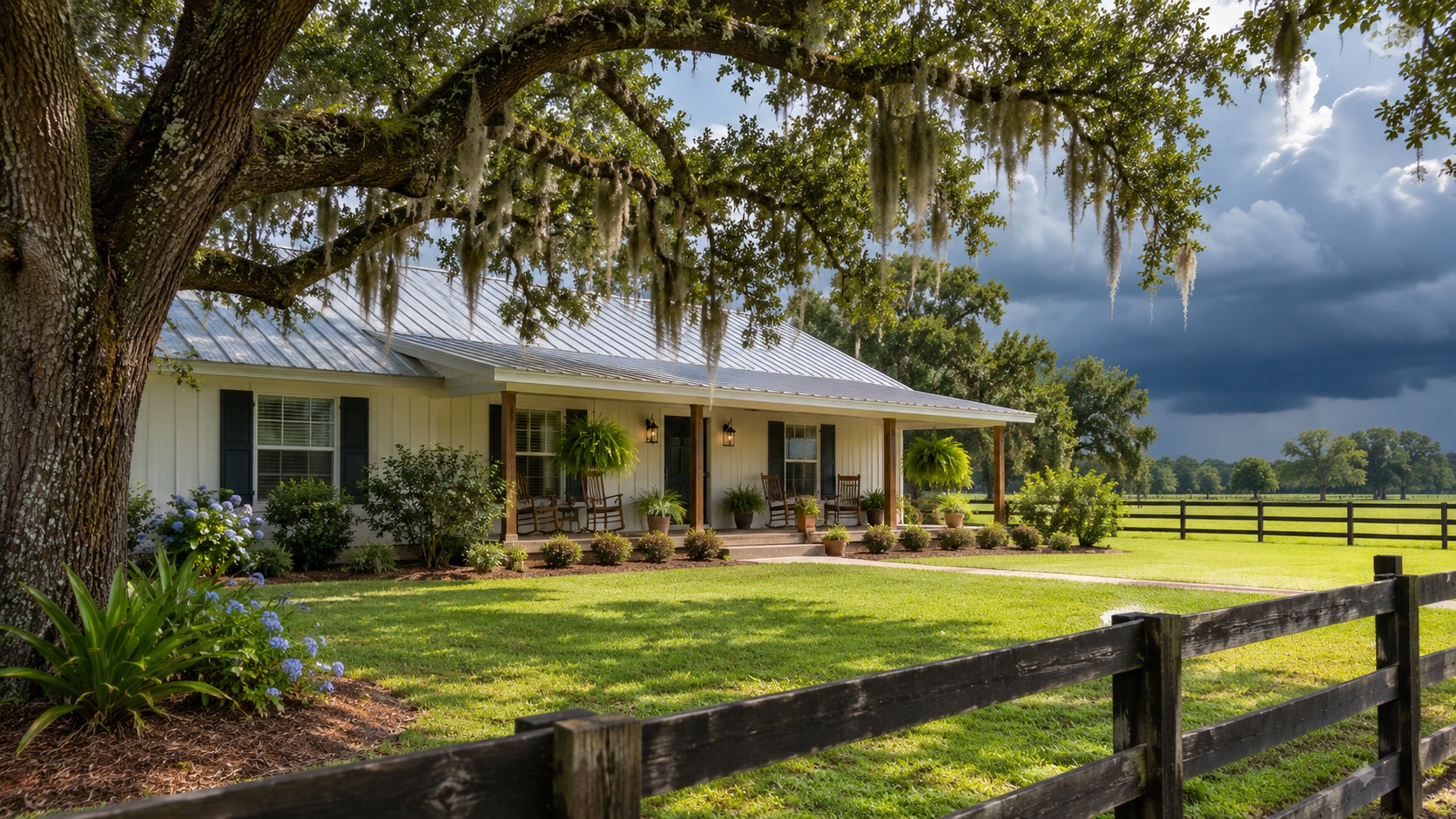
If you’re moving here from out of state, sit down for this one. Homeowners insurance in Florida is its own animal, and it can change your monthly payment more than almost anything else.
A few things drive what you’ll pay — and whether you can get a policy at all:
- Roof age and type. Many insurers look hard at how old the roof is. An older roof can mean higher premiums, fewer companies willing to write the policy, or a requirement to replace it.
- Wind mitigation features. Things like hurricane straps, impact windows, and shutters can earn credits on your premium. That’s why the wind mitigation inspection matters.
- Flood zone. Standard homeowners policies don’t cover flooding. If the home is in a flood zone and you have a mortgage, your lender may require flood insurance. Even if it’s not required, it’s worth asking about.
- Your deductible. Florida policies typically have a separate hurricane deductible. Read it. Know it.
The single best thing you can do: get real insurance quotes during your inspection period, not the week before closing. That way, if the number is a shock, you still have options.
That’s why I recommend three different insurance agencies to my buyers. Quotes can vary a lot from one company to the next, and comparing them side by side, early, is the easiest way to avoid a surprise.
Property Taxes, HOAs, and Other “Monthly Surprises”
Here’s a Florida quirk that trips up a lot of buyers: the seller’s property tax bill is not your property tax bill.
Florida’s homestead exemption and the “Save Our Homes” cap limit how much the assessed value of a homesteaded home can rise each year. When a home sells, that cap doesn’t transfer to the new owner — the property is generally reassessed the following year. So if the sellers lived there a long time, their tax bill may be a lot lower than yours will be. Ask your lender to estimate taxes based on the purchase price, and check the Marion County Property Appraiser’s website for how assessments and exemptions work. Don’t forget to file for your own homestead exemption once you move in — the county property appraiser sets the deadline and rules.
And then there are the recurring fees that live outside your mortgage:
- HOA dues — and sometimes special assessments for big community projects.
- CDD fees — some newer Florida communities are in a Community Development District, and those fees often appear on your property tax bill. Always ask.
- Utilities that work differently out in the country — no city water or sewer means you own the well and septic system, and the electric bill for a barn, pump, and fans adds up in a Florida summer.
The Horse Property Layer: Where Budgets Really Get Tested
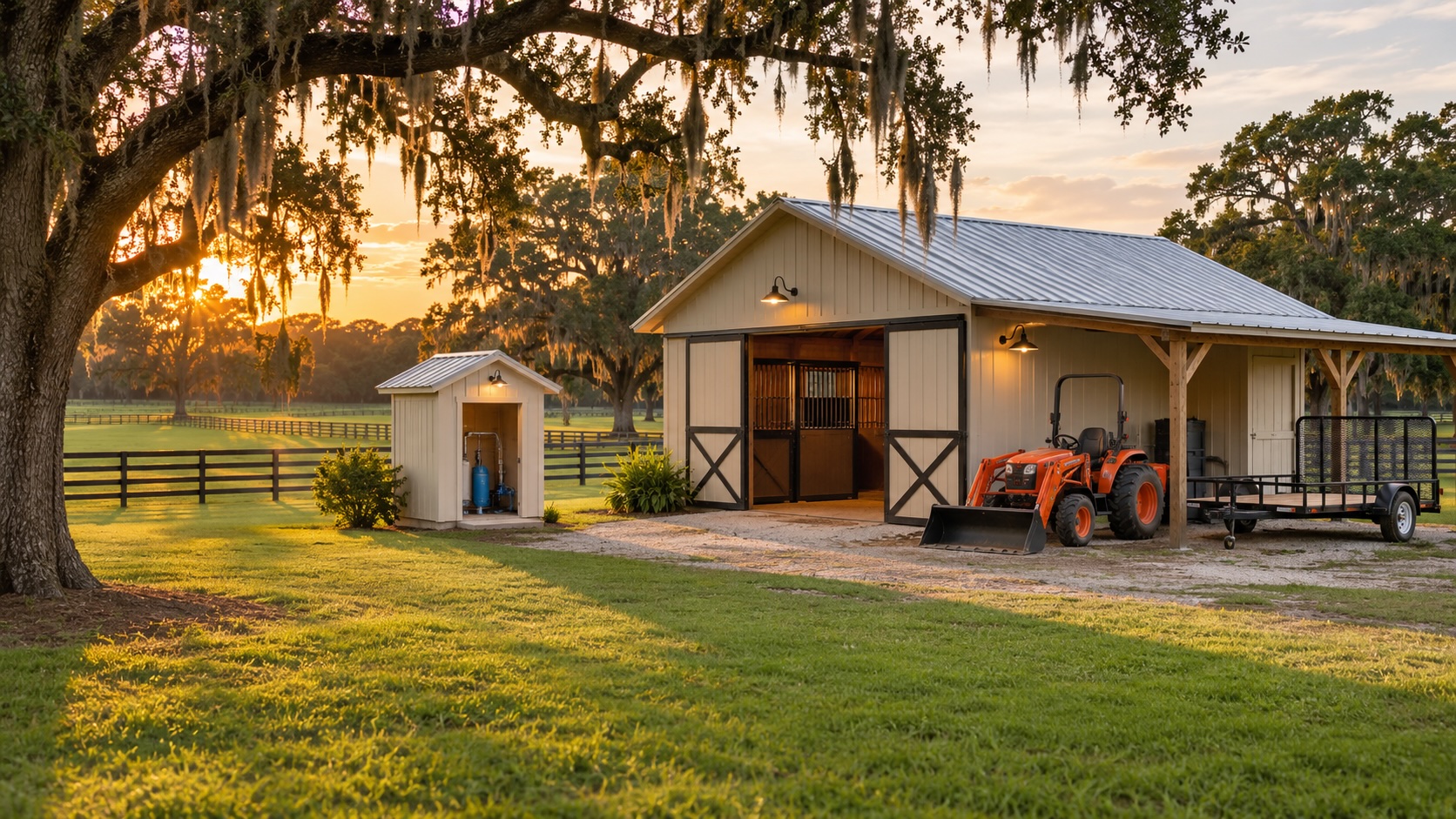
This is where my two worlds collide. If you’re buying acreage or a horse property around Ocala, there’s a whole second list of costs that don’t show up in the mortgage payment.
I’ll be honest about something I see over and over: buyers who plan to build their own barn and fencing from scratch almost always underestimate all of it. The materials, the site prep, the labor, the gates, the water lines out to the paddocks, the electrical to the barn — every piece costs more and takes longer than the excitement of the first walk-through suggests. If you’re comparing raw land to a property that already has a barn, read my breakdown of what it costs to buy a horse property in Marion County before you decide.
A few horse-property costs to put on your radar:
- Equipment. A tractor or mower, a drag for the arena, a manure spreader or a plan for manure removal, a utility trailer. Acreage doesn’t mow itself.
- Fence and gate maintenance. Even good fencing needs ongoing repair, and Florida weather and termites are hard on wood.
- Well and pump demand. Horses drink a lot, and a barn adds wash racks and hydrants. An older pump may need replacing sooner than you’d like.
- Agricultural classification. If the property currently has an agricultural (“greenbelt”) classification for tax purposes, it doesn’t automatically carry over to a new owner — you generally have to apply and qualify yourself. Check with the Marion County Property Appraiser on the rules and deadlines.
- Insurance for the horse side. Your homeowners policy may not cover barns, outbuildings, or liability if other people’s horses are on the property. Talk to your agent. (And while we’re on the subject of insurance — I learned firsthand how much it matters. When our warmblood, Comit, got EPM and spent 40 days in the vet hospital, his insurance is what kept our family out of debt. My post on horse insurance explains how that side works.)
And here are the three costs I see Ocala horse property buyers forget most often:
- Fencing is never a one-time purchase. Wood board fencing rots, warps, and gets chewed or leaned on by horses, so plan on painting, replacing boards, and trimming weeds along the fence line. On an older or neglected “turnkey” property, the fencing may not meet safe standards for height, ground clearance, or gate size, and it can need a full replacement sooner than you expected. Get fencing bids from local contractors before you count on it lasting.
- Arena footing and drainage. Central Florida has sandy soil and sudden summer downpours, and an arena is only as good as its base and drainage. If the arena holds standing water or the base has washed out, re-grading and bringing in new footing can eat up a first-year budget quickly.
- Pasture care and year-round hay. Our sandy soil is hard on grass, and even well-managed Florida pastures rarely keep horses fed on grass alone all year. Between mowing, weed control, fertilizing, and reseeding (or hiring someone to do it), plus buying hay twelve months a year, including winter when the grass slows down, this one adds up.
Your Hidden-Costs Checklist
Print this, screenshot it, stick it on the fridge — whatever works. These are the questions to get answered before you’re locked in.
| Cost | When It Hits | Who Gives You the Real Number |
|---|---|---|
| Closing costs & prepaids | At closing | Your lender’s Loan Estimate |
| Inspections (home, wind mit, 4-point, WDO, well, septic) | During the inspection period | Your inspectors |
| Homeowners & flood insurance | At closing, then every year | Insurance agent quotes |
| Property taxes after reassessment | The year after you buy | Marion County Property Appraiser / your lender |
| HOA, special assessments, CDD fees | Monthly, quarterly, or yearly | HOA documents and the tax bill |
| Well, septic, utilities | Ongoing (and sometimes suddenly) | Inspectors and utility history from the seller |
| Barn, fencing, equipment | First year and ongoing | Contractor bids — get several |
| Moving, furniture, immediate repairs | The first few months | You — build a cushion into your savings |
For the horse-specific walkthrough, my horse property buying checklist goes barn-by-barn and fence-by-fence. And whatever you buy, keep a savings cushion after closing — houses love to test new owners in the first year.
If you’re planning for horses, my Barn Management Spreadsheet is a great way to see your real monthly numbers before you buy. It helps you track board, hay, farrier, vet visits, and everything else in one place, so there are fewer surprises after closing.
Free Guide: Moving to Ocala with Horses
Thinking about relocating to the Ocala area with your horses? Get my free relocation guide: what each horse area offers, a horse property checklist, financing tips, and a move-with-horses checklist.
The Bottom Line
The hidden costs of buying a house in Florida aren’t really hidden — they’re just sitting outside the purchase price where it’s easy to overlook them. Closing costs and prepaids, insurance, a property tax bill that resets after the sale, HOA and CDD fees, and (if you’ve got horses) barns, fencing, and equipment. Get real numbers from your lender, your insurance agent, and the county early, and the only surprise left will be how fast that new place starts to feel like home.
What cost caught YOU off guard when you bought your house — or your horse property? Tell me in the comments so the next family knows to plan for it.